I spent three years thinking I needed a $1,500 motorized workstation to “optimize” my output, only to realize I was just buying a glorified piece of furniture that gathered dust. Most of the marketing around standing desk benefits is absolute nonsense—it’s not some magic pill that instantly fixes your posture or turns you into a productivity god. I’ve sat through the hype cycles and the overpriced “ergonomic” gear reviews, and frankly, most of it is just noise designed to separate you from your paycheck.
I’m not here to sell you on a lifestyle aesthetic or a specific brand of overpriced bamboo. Instead, I’m going to break down what actually matters when you’re trying to build a setup that moves with you, whether you’re in a permanent home office or a cramped cafe with spotty Wi-Fi. I’ll give you the no-nonsense reality of how changing your physical position actually impacts your focus and your flow. No fluff, no corporate jargon—just the practical stuff you need to know to keep your workspace as fluid as your life.
Table of Contents
- Optimizing Your Ergonomic Workstation Setup for Flow
- Reducing Back Pain With Standing Desks and Motion
- Five Ways to Stop Being a Statue at Your Desk
- The Bottom Line: Build for Movement, Not for Stagnation
- ## Movement is the Ultimate Productivity Hack
- Moving Beyond the Static Setup
- Frequently Asked Questions
Optimizing Your Ergonomic Workstation Setup for Flow
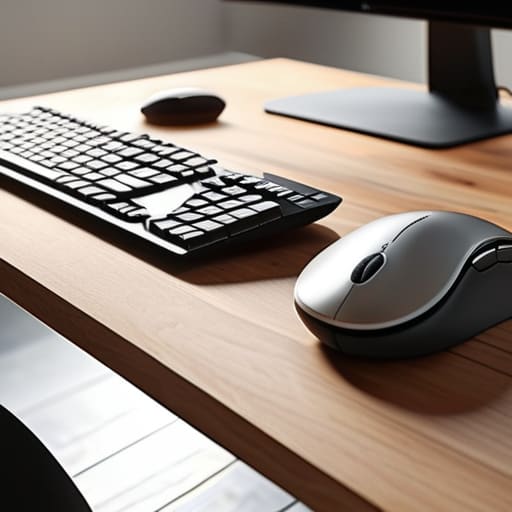
Setting up a workspace isn’t just about buying the most expensive gear; it’s about how that gear interacts with your body over an eight-hour stretch. When I’m working from a temporary rental in a new city, I don’t just plug in and hope for the best. I focus on an ergonomic workstation setup that prioritizes movement. If your monitor is too low or your keyboard is at an awkward angle, you’re fighting your own biology before you even start your first task. The goal is to eliminate those micro-frictions that pull you out of your zone.
The real secret to staying in flow isn’t staying in one position—it’s about alternating sitting and standing throughout the day. I’ve found that if I stay upright for too long, my focus starts to drift, but if I sit for three hours straight, my lower back starts to protest. You want to cultivate active working habits where you transition based on your energy levels rather than a rigid schedule. By treating your setup as a fluid environment rather than a static station, you keep your physical discomfort at bay and your mental clarity high.
Reducing Back Pain With Standing Desks and Motion
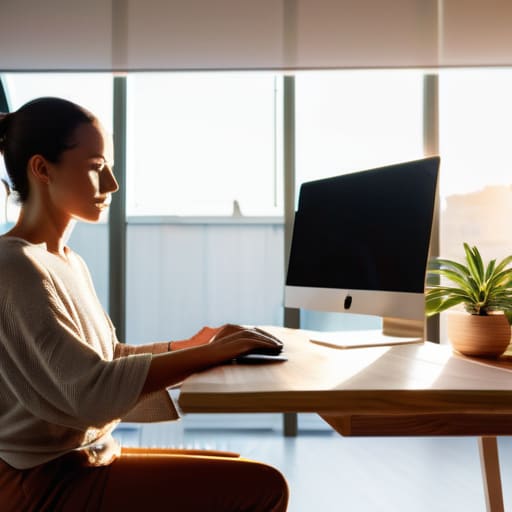
The real issue isn’t just about standing; it’s about the trap of static posture. I’ve spent way too many hours hunched over a laptop in tiny Airbnbs, only to realize my lower back was screaming by noon. The secret to reducing back pain with standing desks isn’t to stand for eight hours straight—that’s just a different kind of torture. It’s about movement. You want to treat your setup like a dynamic system, not a monument.
I’ve found that the most effective way to stay focused is through alternating sitting and standing throughout the day. If you stay in one position for too long, your muscles lock up and your focus tanks. By incorporating small shifts in posture, you’re essentially building active working habits that keep your blood flowing and your spine from compressing. Think of it as micro-adjusting your hardware; you wouldn’t let a server overheat without a cooling system, so don’t let your body stagnate in a single position. Keep the transition seamless, and your back will actually thank you.
Five Ways to Stop Being a Statue at Your Desk
- Don’t just stand there; move. The real benefit isn’t standing vs. sitting, it’s the ability to switch between the two every 30 to 45 minutes to keep your circulation from stalling.
- Invest in a high-quality anti-fatigue mat. If you’re standing on a hard floor for hours, you’re just trading back pain for sore feet, which kills your focus faster than a bad Wi-Fi connection.
- Keep your monitor at eye level regardless of the desk height. There’s no point in standing up if you’re still hunching over like a gargoyle to look at your screen.
- Use a wireless peripheral setup. If your keyboard and mouse are tethered to a stationary hub, you lose the freedom to shift your posture or adjust your stance comfortably.
- Treat your standing desk as part of a mobile ecosystem. If your setup requires a massive, heavy power brick and tangled cables, it’s not an adaptive workspace—it’s an anchor. Keep it lean.
The Bottom Line: Build for Movement, Not for Stagnation
Stop treating your desk like a permanent fixture; the real win is in the transition between sitting and standing to keep your focus from stalling.
Ergonomics isn’t just about a fancy chair—it’s about creating a seamless, cloud-connected environment that lets you work from anywhere without losing your flow.
If your setup requires you to stay anchored to one specific spot to be productive, it’s a bottleneck, not a workspace.
## Movement is the Ultimate Productivity Hack
A desk shouldn’t be a place where you go to settle in and stagnate; it should be a tool that facilitates movement. If your setup doesn’t allow you to transition from sitting to standing without breaking your mental flow, it’s not an optimized workspace—it’s just an anchor.
Elias Vandermeer
Moving Beyond the Static Setup
At the end of the day, switching to a standing desk isn’t about following some corporate wellness trend; it’s about reclaiming control over your physical state. We’ve talked about how optimizing your ergonomics can keep you in a deep flow state and how introducing motion is the most effective way to kill that nagging lower back pain before it starts. Whether you’re building a custom mechanical keyboard or managing complex cloud deployments from a cafe in Lisbon, your physical environment shouldn’t be a barrier to your output. Integrating a desk that moves with you ensures that your gear stays invisible and seamless, allowing you to focus entirely on the code or the client rather than your aching posture.
Don’t fall into the trap of thinking you need a permanent, heavy-duty office installation to be productive. The goal is fluidity. Your workspace should be an extension of your lifestyle—portable, adaptable, and ready to shift whenever your energy does. Stop settling for a setup that anchors you to a single, uncomfortable position for eight hours straight. Invest in tools that respect your need for movement and embrace a workflow that evolves as you do. Once you break free from the static desk mentality, you’ll realize that true professional freedom starts with how you treat your body while you work.
Frequently Asked Questions
How do I transition between sitting and standing without breaking my deep work flow?
The trick is to stop treating the transition like a major event. If you have to stop, fiddle with a heavy motor, and readjust your monitor every time you switch, you’ve already lost the thread. I use programmable presets so the desk does the work while I keep my eyes on the terminal. Aim for “micro-movements”—change your posture before the discomfort hits, rather than waiting for your back to scream at you.
Are there specific standing desk models that are actually portable enough for a nomad lifestyle?
Honestly, most “standing desks” are just heavy slabs of particle board that’ll kill your back moving them. If you’re living like me, skip the heavy motorized frames. Look into lightweight, foldable laptop risers or specialized portable desk converters like the Roost or Aeroflow. They aren’t full-sized desks, but they turn any cafe table into a functional workstation. If it doesn’t fit in your backpack, it’s not part of a nomad setup.
How much time should I actually spend standing versus sitting to avoid leg fatigue?
There’s no magic ratio, but I’ve learned the hard way that “standing all day” is just as bad as sitting all day. If your legs are throbbing, you’ve already lost the battle. I aim for a 20:8:2 rhythm—20 minutes sitting, 8 minutes standing, and 2 minutes moving around. The goal is constant micro-adjustments. If you’re stuck in one position for an hour, your flow is dead and so is your circulation.