I spent three years thinking I needed a $1,500 motorized setup just to feel like a “real” professional, but honestly? Most of the hype around the standing desk market is just expensive noise designed to sell you more heavy, static furniture. I’ve sat in cramped cafes in Lisbon and worked from temporary setups in tiny apartments, and I realized that the industry focuses way too much on the hardware and not enough on the movement. If you’re buying a massive, heavy desk just because some influencer said it would fix your posture, you’re doing it wrong; a setup that’s too rigid to adapt to your actual life is just another kind of cage.
I’m not here to sell you on a specific brand or a lifestyle aesthetic. Instead, I want to talk about how to actually integrate movement into a workflow that actually works for a digital nomad or anyone tired of the cubicle grind. I’ll be sharing what I’ve learned about finding a balance that doesn’t leave your legs aching by noon, focusing on practicality over prestige. We’re going to look at how to build a setup that stays invisible and seamless, so you can stop worrying about your ergonomics and get back to the work that matters.
Table of Contents
Mastering Your Ergonomic Workstation Setup
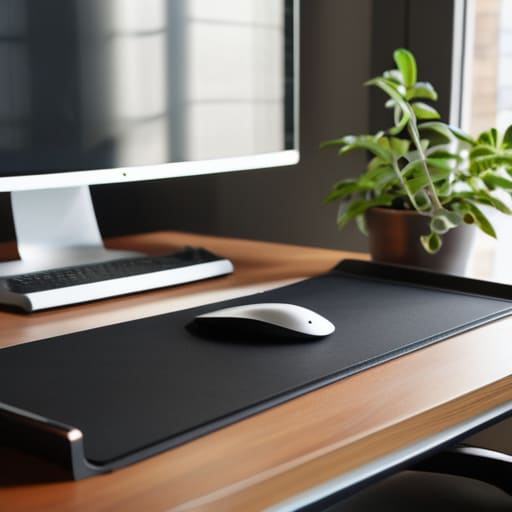
Once you’ve committed to a mobile or adjustable lifestyle, the physical configuration of your space becomes your most important piece of hardware. A good ergonomic workstation setup isn’t about buying the most expensive gear; it’s about alignment. I’ve learned the hard way that if your monitor isn’t at eye level, you’re essentially training your body to live in a permanent slouch. I always aim to keep my screen directly in front of me to minimize neck strain, especially when I’m working from a temporary rental or a cramped cafe.
When you’re choosing the actual mechanics of your desk, don’t cheap out on the movement. If you’re looking at something permanent for your home base, I always recommend looking into dual motor vs single motor desks. A single motor can feel sluggish and jittery, which totally breaks your focus when you’re trying to transition mid-task. A dual-motor system is much smoother and more reliable for frequent height changes. The goal is to make the transition so seamless that you don’t even think about it—you just shift positions and keep your momentum going.
The Fluidity of Active Sitting Benefits
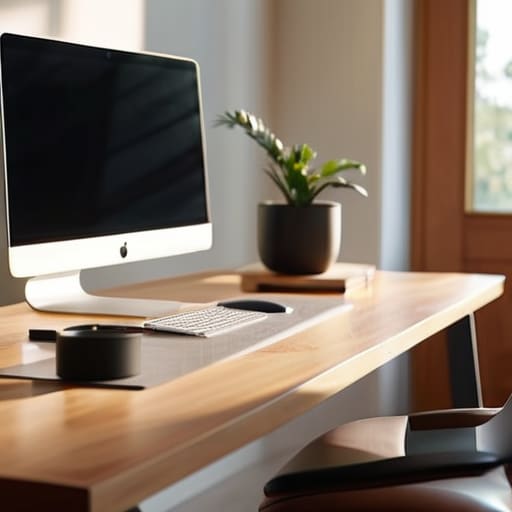
The problem with most setups is that they assume you’re a statue. We sit, we stay, we stiffen up. But if you’re looking to actually reduce back pain while working, you have to stop thinking in terms of static positions. The real magic happens when you embrace movement. I’ve found that shifting between sitting and standing every forty minutes or so keeps my blood flowing and prevents that mid-afternoon brain fog that usually hits when I’ve been glued to a chair for too long.
This is where the active sitting benefits really start to show up in your daily output. It’s not about standing all day—that’s just as bad for your joints as sitting all day—it’s about the transition. When your gear allows for seamless movement, you aren’t fighting your furniture; you’re working with it. I personally treat my height adjustments as a way to reset my focus. If I feel my concentration slipping, I change my posture. It’s a micro-adjustment that keeps my momentum high without needing a third cup of coffee to get through the next sprint.
Small Tweaks for a Seamless Transition
- Don’t just stand there aimlessly. If you’re moving to a standing position, make sure your monitor height is actually adjusted to eye level. There’s nothing worse than standing up only to realize you’re hunching over a laptop screen, which completely defeats the purpose.
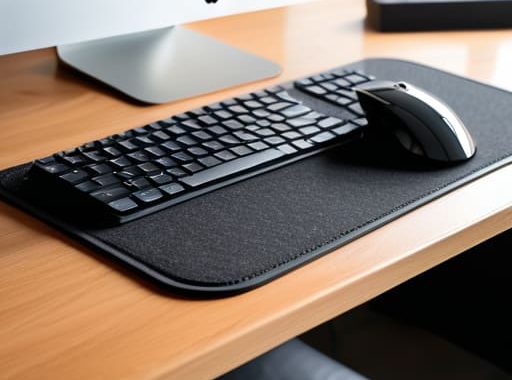
- Invest in a high-quality anti-fatigue mat. I’ve learned the hard way that standing on hard floors for an hour is a recipe for lower back pain. A good mat makes the transition feel natural rather than a chore.
- Keep your essentials within reach. Since I move around a lot, I treat my standing desk like a temporary command center. If you have to stretch or twist awkwardly to grab your mouse or a coffee, your ergonomics are already trashed.
- Use a timer to prevent “static standing.” The goal isn’t to stand all day; it’s to avoid being stuck in one position. I set subtle cues to switch between sitting and standing every 45 minutes so my body stays in motion.
- Cable management is non-negotiable. If you’re using a height-adjustable desk, you need enough slack in your cords so they don’t yank your gear when you raise the surface. A messy, tangled setup is a distraction I can’t afford when I’m trying to focus.
The Bottom Line for Your Setup
Stop treating your desk like a permanent monument; if it doesn’t allow you to switch between sitting, standing, and moving, it’s just a barrier to your focus.
Ergonomics isn’t about buying the most expensive gear, it’s about ensuring your tools stay invisible so you can actually stay in the flow.
Prioritize mobility and adaptability in your hardware so your workspace can follow you, whether you’re in a dedicated studio or a café with questionable Wi-Fi.
The Mobility Mindset
A standing desk isn’t about finding the perfect height to stand still; it’s about breaking the physical stagnation that kills your focus. If your setup forces you into one single posture for eight hours, you aren’t working—you’re just being anchored.
Elias Vandermeer
The Final Calibration
At the end of the day, a standing desk isn’t just a piece of furniture or a trendy office upgrade; it’s a tool for maintaining your momentum. We’ve talked about the mechanics of ergonomics and the actual physiological benefits of active sitting, but the real takeaway is about removing friction. When you stop fighting against a static, uncomfortable position, you stop thinking about your body and start thinking about your code, your clients, or your creative flow. Whether you’re leaning into a high-end electric sit-stand or just optimizing a portable setup for a temporary workspace, the goal is to ensure your environment adapts to your movement, not the other way around.
I’ve learned through plenty of long nights in different time zones that your setup is only as good as your ability to stay focused within it. Don’t get caught up in the gear obsession or the need for the most expensive motorized legs on the market. Instead, focus on creating a system that feels invisible and seamless. If your workspace allows you to transition from deep focus to a quick stretch without breaking your mental stride, you’ve already won. Build a setup that moves with you, keeps you sharp, and ultimately sets you free to do the work that actually matters.
Frequently Asked Questions
How do I manage my cable routing so my setup doesn't look like a mess every time I change heights?
The trick is to stop treating cables like static lines and start treating them like part of a moving system. I use a heavy-duty cable tray mounted under the desktop to house my power bricks, and then I run everything through a single, braided cable sleeve. Most importantly, leave enough slack—think of it like a loop—so when the desk rises, nothing gets yanked. If it’s not organized, it’s just friction.
Is it actually worth investing in a high-end electric desk, or can I get away with a manual one while traveling?
Look, if you’re constantly moving between Airbnbs or co-working spots, a high-end electric desk is just dead weight. It’s heavy, hard to ship, and a nightmare to pack. Honestly? Stick to a solid manual crank or, better yet, a high-quality portable laptop riser. When your life is cloud-based and mobile, your gear needs to be light. Don’t anchor yourself to a massive piece of furniture just for the sake of a motor.
How do I transition between sitting and standing without breaking my focus or losing my flow?
The trick is to stop treating the transition like a “task.” If you have to pause, check your posture, and manually adjust everything, you’ve already lost your flow. I use programmable presets so my desk hits the exact height I need with one tap. Most importantly, don’t switch just because a timer went off. Wait for a natural breaking point—like finishing a sprint or a deep-work block—so the movement feels like a reset, not a disruption.