I was sitting in a cramped cafe in Lisbon last month, trying to push through a complex cloud integration script, when the espresso machine decided to go into overdrive. Between the screeching steam and the frantic chatter of the morning rush, my focus didn’t just slip—it vanished. Most people think ambient noise control requires a soundproofed studio or a massive investment in high-end acoustic foam, but that’s a lie sold by people who never actually work from a backpack. In reality, if your setup can’t handle the chaos of the real world, it’s a failed setup.
I’m not here to sell you on expensive architectural fixes or overpriced office gadgets that end up gathering dust. Instead, I’m going to show you how I manage my auditory environment using nothing but a few smart, portable tools and specific digital workflows. We’re going to talk about practical, low-friction ways to reclaim your headspace so you can maintain a deep flow state, no matter how loud the world gets around you. This is about making your tools invisible so the work becomes the only thing that matters.
Table of Contents
Leveraging Noise Cancellation Technology to Reclaim Your Focus
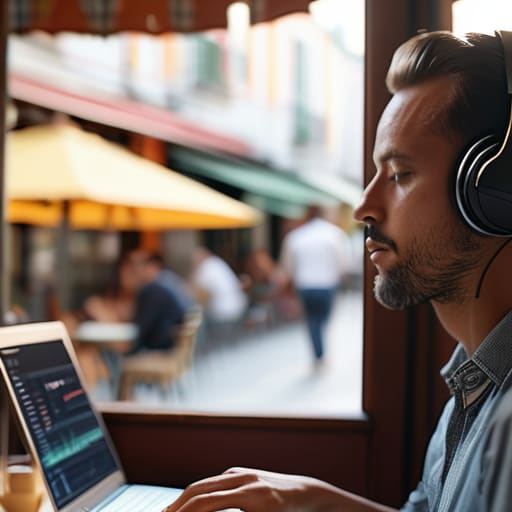
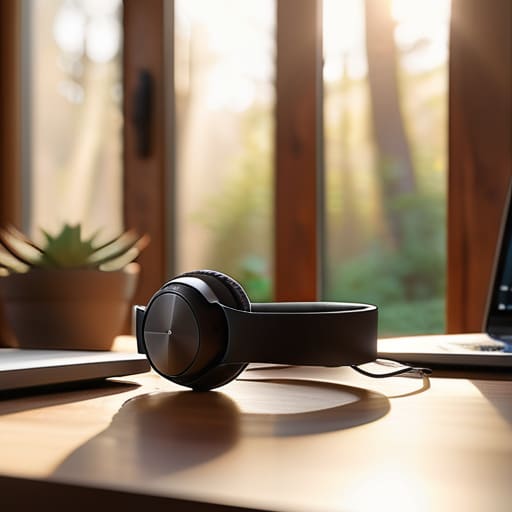
When I’m working from a crowded cafe in Lisbon or a noisy hostel in Chiang Mai, I don’t rely on luck to stay productive. I rely on hardware. For me, investing in high-quality noise cancellation technology isn’t a luxury; it’s a non-negotiable part of my mobile stack. Most people think these headphones are just for listening to music, but when you’re trying to debug a complex cloud architecture, they serve as a digital barrier between you and the chaos.
The goal isn’t just to block out the world, but to achieve a specific level of auditory distraction reduction that allows my brain to enter a flow state. I’ve found that even the best ANC (Active Noise Cancellation) can feel a bit “heavy” on the ears if you’re using it for eight hours straight. To counter that, I usually layer my lo-fi playlists over the silence. It creates a controlled, predictable environment that mimics a high-end studio, regardless of how much construction is happening outside my window. It’s all about engineering your own soundscape so you can actually stay in the zone.
Engineering Soundscapes That Adapt to Your Workflow
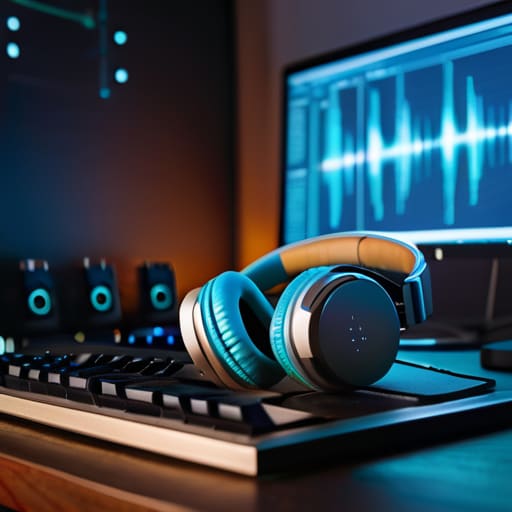
For me, it’s not just about blocking out the world; it’s about curating it. I’ve found that static silence can actually be more jarring than a controlled environment. Instead of fighting the silence, I lean into soundscape engineering to build a layer of audio that moves with my task list. When I’m deep in a heavy deployment or debugging a complex cloud architecture, I switch to brown noise—it’s deeper and less intrusive than white noise, providing a consistent floor that masks sudden spikes in local chatter.
The goal is to reach a state of effortless auditory distraction reduction. If I’m working from a bustling cafe in Lisbon or a cramped Airbnb, I don’t just turn on noise cancellation and hope for the best. I layer my lo-fi playlists with specific frequencies designed to smooth out the jagged edges of a chaotic room. By treating my audio like part of my digital stack, I can maintain high acoustic comfort levels without needing a soundproof studio. It’s about creating a portable bubble that ensures my brain stays in the zone, regardless of how loud the world gets outside my headphones.
Five ways to kill the noise without killing your vibe
- Invest in high-quality ANC headphones, but don’t just turn them on—optimize the transparency mode. I’ve found that switching between full isolation and a controlled ambient pass-through helps me stay aware of my surroundings in a cafe without letting a loud espresso machine break my flow.
- Layer your audio with lo-fi or brown noise instead of silence. Total silence can actually be jarring when you’re in a new environment; a consistent, low-frequency soundscape acts as a buffer that masks those unpredictable, sharp sounds like door slams or distant chatter.
- Use software-based noise suppression for your calls. If you’re working from a hostel or a shared space, tools like Krisp or even the built-in noise suppression in Discord/Zoom are lifesavers. They strip out the background chaos so your clients only hear you, not the person walking past your table.
- Control your physical acoustics with portable gear. Since I don’t have a permanent office, I rely on heavy-duty, noise-dampening desk mats. They don’t just look clean; they actually help absorb some of the high-frequency vibrations from your keyboard and local environment.
- Curate specific playlists for specific tasks. I don’t just hit shuffle; I have a dedicated “Deep Work” playlist that is strictly instrumental. By Pavlovian-conditioning myself to associate certain frequencies with focus, I can trigger a flow state much faster, regardless of how loud the room around me is.
The Bottom Line: Making Sound Work for You
Stop treating noise as an enemy to be fought and start treating it as an environment to be managed; the goal is a seamless transition between chaos and deep work.
Your gear matters, but your strategy matters more—invest in solid noise cancellation, but pair it with intentional, lo-fi soundscapes to anchor your focus.
Build a portable audio workflow that doesn’t rely on a perfect office, so you can maintain your flow state whether you’re in a quiet cafe or a noisy transit hub.
## The Invisible Boundary
“True focus isn’t about finding total silence; it’s about curating an environment where the chaos of the world becomes a background frequency you simply choose to ignore.”
Elias Vandermeer
Finding Your Flow
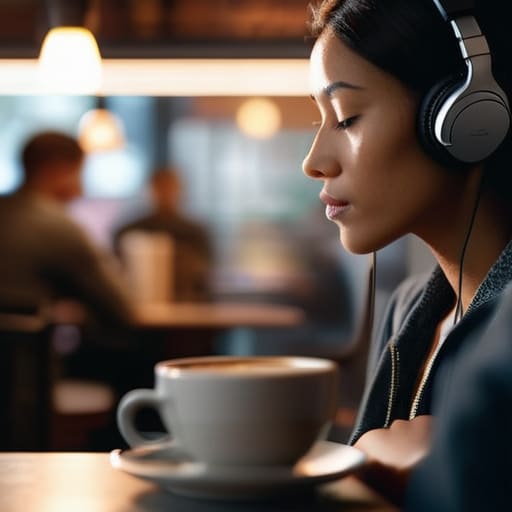
At the end of the day, managing your acoustic environment isn’t about finding total silence—it’s about intentionality. Whether you’re deploying high-end ANC headphones to block out a crowded cafe or curating a specific lo-fi playlist to mask the hum of a cheap hotel AC, the goal is the same: removing the friction between your brain and your work. We’ve looked at how hardware can shield you and how software-driven soundscapes can anchor you, but the real win comes when these tools become invisible layers of your digital ecosystem. When you stop fighting your surroundings and start engineering them, you stop reacting to noise and start controlling your output.
Don’t let a chaotic environment dictate your productivity ceiling. Your setup should be a portable fortress that moves with you, providing a consistent mental space regardless of whether you’re in a high-rise in Tokyo or a tiny studio in Lisbon. If you can master your soundscape, you master your focus, and that is the ultimate competitive advantage in a world designed to distract you. Build a workspace that serves your life, keeps your tools seamless, and—most importantly—lets you actually get the damn work done.
Frequently Asked Questions
Is it actually better to use active noise cancellation or should I just stick to a solid lo-fi playlist?
Honestly, it’s not an “either/or” situation—it’s about layering. If I’m in a loud cafe with erratic chatter, I fire up my ANC first to kill the low-end drone. Once the world is quiet, I layer on my lo-fi playlist to create that consistent, predictable headspace. ANC handles the chaos; the music handles the focus. Use ANC to clear the canvas, then use your playlist to paint the vibe.
How do I manage audio latency when I'm jumping between different cloud-based tools and meetings?
Latency is the ultimate flow-killer, especially when you’re bouncing between a heavy cloud IDE and a sudden Zoom call on spotty Wi-Fi. My rule of thumb: prioritize wired everything. A USB-C DAC or even just a decent wired headset cuts out the Bluetooth handshake lag that kills real-time sync. If you must go wireless, stick to low-latency codecs and keep your cloud instances in regions closest to your physical location to shave off those precious milliseconds.
What’s the best way to maintain a consistent soundscape when I'm moving between different coworking spaces or cafes?
The secret is decoupling your focus from your physical location. Don’t rely on the cafe’s vibe; bring your own. I always keep a curated, cloud-synced playlist of lo-fi or brown noise ready on my phone. Pair that with high-quality ANC headphones, and you’ve essentially built a portable sonic bubble. Whether it’s a loud coworking hub or a sketchy airport lounge, your auditory environment stays identical, keeping your brain in deep-work mode.