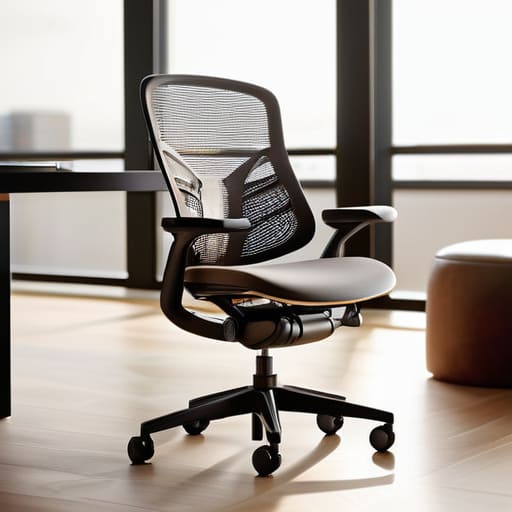
I was sitting in a cramped, overpriced “executive” chair in a co-working space in Lisbon last month, trying to debug a cloud migration script, when my lower back finally decided to quit on me. It’s the same old story: companies try to sell you on these massive, heavy-duty thrones that look like they belong in a NASA command center, claiming they’re the pinnacle of comfort. But let’s be real—most of the marketing around ergonomic chair selection is just expensive noise designed to separate you from your money. If a chair is so bulky that it dictates where you can work or makes you feel trapped in a fixed position, it’s not helping your workflow; it’s actively sabotaging it.
I’m not here to give you a lecture on lumbar degrees or some academic breakdown of spinal alignment. Instead, I’m going to cut through the fluff and tell you what actually matters when you’re trying to build a setup that moves with you. I’ll share the practical, no-nonsense criteria I use to vet gear while living out of a backpack, so you can find a seat that actually disappears once you start working.
Table of Contents
- Mastering Spinal Alignment Benefits for Seamless Focus
- Why Breathable Mesh Material Makes Your Setup Invisible
- Stop Fighting Your Seat: 5 Rules for a Setup That Actually Works
- The Bottom Line: Don't Let Your Gear Get in the Way
- ## Stop Fighting Your Furniture
- Stop Fighting Your Setup
- Frequently Asked Questions
Mastering Spinal Alignment Benefits for Seamless Focus

When you’re deep in a flow state—maybe you’re finally getting that cloud deployment to sync perfectly—the last thing you want is a nagging ache in your lower back pulling you out of the zone. This is where understanding the spinal alignment benefits actually matters. It isn’t just about sitting “straight”; it’s about finding a chair that maintains the natural S-curve of your spine without you having to think about it. If you’re constantly shifting to find comfort, your tools are failing you.
A huge part of this is fine-tuning your personal geometry. I’ve learned the hard way that seat depth adjustment is a total game-changer for long-haul sessions. If the seat pan is too deep, it cuts off circulation behind your knees; too shallow, and you lose that crucial thigh support. Once you dial that in, pay attention to your upper body. Getting the height and tilt right helps with neck and shoulder strain prevention, ensuring your head stays centered over your shoulders rather than leaning into your monitor. When your posture is automated, your brain can actually stay on the task at hand.
Why Breathable Mesh Material Makes Your Setup Invisible
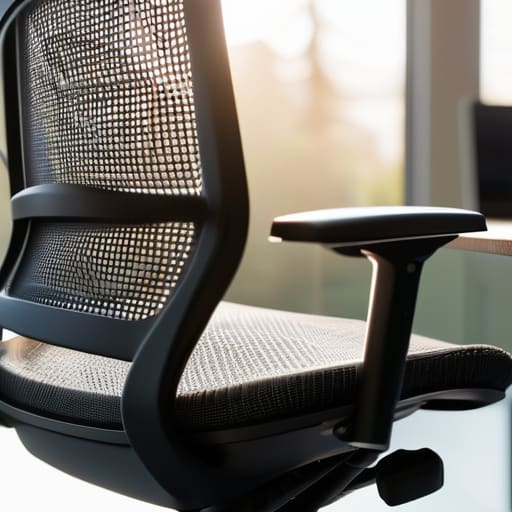
There’s nothing that kills my flow faster than that sticky, heavy feeling of sitting in a thick foam chair after three hours of deep work. When I’m deep in a cloud migration project or troubleshooting a complex integration, I need my physical environment to just… vanish. If I’m constantly adjusting my clothes or shifting around because I’m overheating, my brain isn’t on the code; it’s on my discomfort. This is where breathable mesh material becomes a non-negotiable for me.
A high-quality mesh back doesn’t just feel lighter; it actively manages your microclimate. It allows for constant airflow, which is essential when you’re tucked away in a small apartment or a cramped cafe with questionable ventilation. When the chair handles the temperature regulation, you stop noticing it exists. That’s the goal of a truly seamless ergonomic workstation setup: the hardware should be so efficient that you completely forget you’re even sitting in a piece of furniture. It’s about removing the physical friction between your intent and your output.
Stop Fighting Your Seat: 5 Rules for a Setup That Actually Works
- Prioritize dynamic adjustments over static comfort. If you can’t tweak the armrests or seat depth to match your specific posture, the chair isn’t working for you—you’re working for it.
- Look for “active” lumbar support that moves when you do. Since I’m constantly shifting between deep-focus coding sessions and quick emails, I need a chair that tracks my spine rather than forcing me into one rigid position.
- Don’t overlook the weight and portability factor. If you’re planning to move cities or even just different rooms, a massive, heavy executive chair is just dead weight; aim for something streamlined that doesn’t feel like a monument.
- Test the tension, not just the tilt. You want a recline that feels intuitive and provides resistance, not a chair that either flops backward or feels like it’s fighting your every move.
- Check the edge profile of the seat pan. A hard or poorly designed front edge can cut off circulation to your legs, which is a fast track to losing focus and feeling physically drained halfway through a sprint.
The Bottom Line: Don't Let Your Gear Get in the Way
Stop treating your chair like a piece of furniture and start treating it like a component of your workflow; if it’s causing discomfort, it’s a bottleneck to your focus.
Prioritize adaptability over rigid structure—your setup needs to support your spine through different tasks, whether you’re deep in a cloud deployment or just catching up on emails.
Look for materials and adjustments that disappear into the background; the best ergonomic setup is the one you completely forget you’re sitting in.
## Stop Fighting Your Furniture
A chair shouldn’t be a piece of equipment you have to “manage”—it should be so well-aligned with your body that you completely forget it’s even there. If you’re constantly adjusting lumbar knobs or shifting to find comfort, your gear is failing you, not the other way around.
Elias Vandermeer
Stop Fighting Your Setup
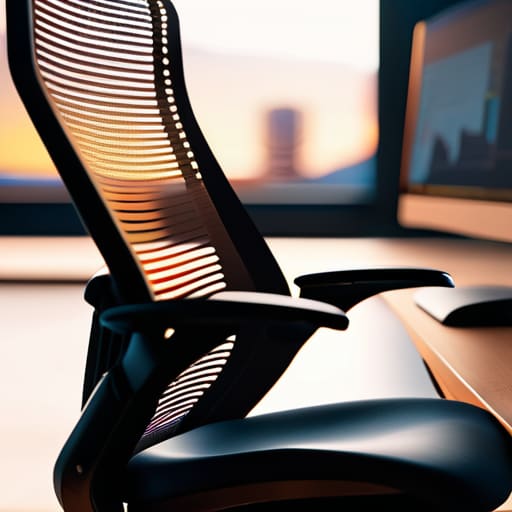
At the end of the day, picking a chair isn’t about finding the most expensive piece of furniture or the one with the most bells and whistles. It’s about eliminating the physical friction that pulls you out of your flow state. We’ve talked about why spinal alignment is non-negotiable for long-term focus and why breathable mesh is the only way to keep your setup from feeling like a cage. If your chair is forcing you to constantly adjust your posture or making you sweat through a heavy leather seat, it’s not a tool—it’s a distraction. You need a setup that supports your body without you even noticing it’s there, allowing you to focus entirely on the code or the configuration in front of you.
My philosophy has always been that your gear should serve your lifestyle, not limit it. Whether you’re working from a tiny apartment or a mid-range cafe halfway across the world, your physical comfort shouldn’t be a variable you have to solve for every single morning. Invest in a setup that adapts to you, because when your environment becomes invisible, your productivity becomes limitless. Stop settling for gear that holds you back and start building a workspace that actually lets you move.
Frequently Asked Questions
How do I find a chair that actually works when I'm jumping between different coworking spaces or temporary rentals?
Honestly? If you’re constantly moving, stop trying to lug a heavy ergonomic throne across borders. It’s a trap. You’ll end up exhausted before you even open your laptop. Instead, focus on “portable ergonomics.” Invest in a high-end, collapsible laptop stand and a lightweight, travel-ready lumbar support cushion. Your goal isn’t to own the perfect chair; it’s to carry the essential geometry with you so you can turn any mediocre rental seat into a functional workspace.
Is it worth investing in a high-end ergonomic chair, or can I just optimize a cheaper setup with better peripherals?
Look, if you’re tethered to one desk, a high-end chair is a solid investment for your spine. But as someone who lives out of a backpack, I see it differently. A massive, expensive chair is just dead weight if you aren’t stationary. I’d rather spend that cash on a portable, high-quality ergonomic perch or better peripherals that make any temporary setup feel intentional. Optimize for mobility first; don’t let a heavy chair anchor you down.
How much weight and height range do I need to account for before a chair becomes a liability for my posture?
Look, don’t just eyeball a chair because it looks sleek in a photo. If you’re over 6’2″ or pushing 250lbs, most “standard” ergonomic chairs are going to feel like a cage. You’ll end up slouching just to find a comfortable angle, which defeats the whole purpose. Always check the specific weight capacity and seat depth. If the chair forces you to compromise your natural alignment to fit, it’s not an asset—it’s a liability.