I was sitting in a cramped, overpriced Airbnb in Lisbon last month, staring at my monitor while my legs felt like they were turning into lead. I’d spent six hours straight deep in a cloud migration project, and the physical stagnation was starting to mess with my mental clarity. Most people will tell you that you need a massive, $3,000 commercial-grade treadmill to stay fit while working, but that’s just marketing noise designed to clutter your space. For someone like me, who values a minimalist, portable setup, a bulky machine is just another piece of hardware that fails the integration test. I needed something that actually fit my flow, which is why I finally decided to test out an under desk treadmill to see if it could actually handle a real workload without breaking my focus.
I’m not here to sell you on a lifestyle fantasy or some “biohacking” miracle. I’m going to give you the unfiltered reality of integrating an under desk treadmill into a high-performance, remote setup. I’ll break down what actually works when you’re balancing tight deadlines and mediocre Wi-Fi, and more importantly, which models are actually worth the desk real estate. No fluff, no hype—just practical advice for building a workspace that actually moves with you.
Table of Contents
Finding Fluidity the Walking Pad for Office Integration
Finding Fluidity: The Walking Pad for Office Integration
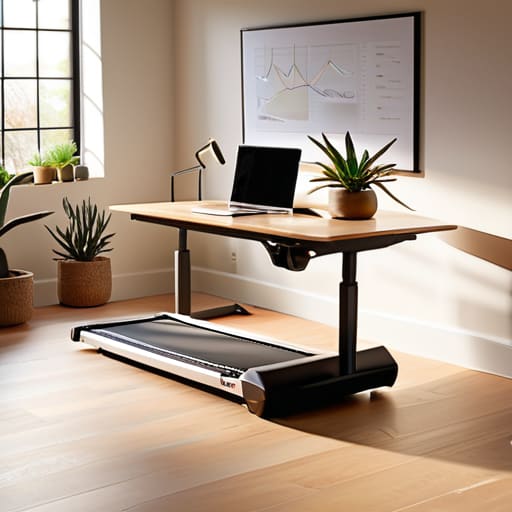
When I’m working from a temporary rental or a cramped studio, space is my biggest constraint. I can’t justify a bulky piece of gym equipment that eats up my entire floor plan, which is why I look for a walking pad for office use that actually slides under a sofa or bed when I’m done. The goal isn’t to run a marathon mid-sprint; it’s about finding sedentary lifestyle solutions that don’t require a total lifestyle overhaul. You want something slim enough to disappear when you’re not using it, maintaining that minimalist aesthetic I’m all about.
The real trick is ensuring standing desk treadmill compatibility so you aren’t fighting your hardware while trying to code or integrate a new cloud stack. I’ve found that if the unit is too loud or vibrates excessively, it kills my focus and ruins my lo-fi flow. You need something that offers low impact cardio at work without making your entire desk setup feel like a construction zone. If the integration feels clunky, you won’t use it. It has to be seamless, or it’s just more clutter.
Seamless Motion Low Impact Cardio at Work Without Friction
The biggest problem with a standard remote setup is how quickly you sink into a slump. When I’m deep in a cloud migration or troubleshooting a complex integration, I can easily go four hours without moving a single muscle. It’s a trap. Integrating low impact cardio at work isn’t about turning your office into a gym; it’s about breaking that static tension before it turns into a backache. I look for gear that feels like an extension of my desk, something that doesn’t require a massive warm-up just to get started.
The goal is to eliminate the friction between sitting and moving. If a device is too loud or too bulky, it’s going to end up gathering dust in a corner, which defeats the whole purpose of a streamlined workspace. I prioritize seamless movement that allows me to maintain my cognitive flow while keeping my heart rate slightly elevated. By finding the right walking pad for office use, you’re essentially building a fail-safe against the physical toll of a sedentary lifestyle, ensuring your body stays as agile as your digital workflow.
Keeping the Flow: My Rules for a Frictionless Setup
- Prioritize the noise floor. If the motor sounds like a jet engine, it’s going to kill your focus and ruin your lo-fi vibe. Look for brushless motors that keep things quiet enough to stay in the zone.
- Don’t overlook the footprint. I move around a lot, so if a treadmill can’t slide under my couch or fit easily in a corner when I’m done, it’s just extra clutter I don’t need.
- Check your Wi-Fi and connectivity. Even though it’s a treadmill, many modern pads sync with apps for tracking. If the connection is flaky, it’s just another piece of tech that isn’t working for you.
- Match the speed to your workflow. You don’t need a sprint; you need a steady, low-speed crawl that allows you to type and navigate cloud tools without your hands shaking or your mouse skipping.
- Invest in a solid mat. It’s not just about protecting your floors; a good mat dampens the vibration so your desk—and your mechanical keyboard—doesn’t start rattling every time you pick up the pace.
The Bottom Line for a Fluid Setup
Don’t overthink the tech; prioritize a walking pad that’s quiet enough to stay under your lo-fi tracks and slim enough to slide under your desk when you’re done.
Integration is everything—if the treadmill adds friction to your workflow or makes your workspace feel cluttered, it’s failing the mobility test.
Use movement as a tool for focus, not a distraction, by keeping the pace low enough that your brain stays on the task while your body stays active.
## Movement Without Friction
“If your gear forces you to choose between physical health and deep work, it’s a bad setup. A good under-desk treadmill shouldn’t feel like a workout; it should just feel like a seamless extension of your workflow that keeps your momentum alive while you’re crushing tasks.”
Elias Vandermeer
Final Thoughts on Fluidity
At the end of the day, adding an under-desk treadmill isn’t about turning your workspace into a gym; it’s about removing the friction between your physical health and your professional output. We’ve looked at how the right walking pad integrates into a minimalist setup and how low-impact movement can keep your brain sharp without breaking your focus. If you choose a model that is quiet, slim, and easy to stow away, you aren’t just buying a piece of fitness equipment—you’re investing in a seamless extension of your workflow that prevents that mid-afternoon slump from killing your momentum.
My philosophy has always been that your tools should serve your life, not dictate it. If a piece of gear makes you feel tethered to a single chair or a single room, it’s failing you. An under-desk treadmill is a way to reclaim your agency, allowing you to stay active while remaining completely immersed in your digital environment. Don’t let a sedentary lifestyle be the price you pay for a high-level career. Build a setup that moves with you, and you’ll find that your best work happens when you’re no longer fighting against your own biology.
Frequently Asked Questions
How do I keep the treadmill noise from ruining my focus or distracting me during calls?
Honestly, the noise is the biggest hurdle for me. If I’m on a client call, I’m not trying to sound like I’m running a marathon in my living room. I usually stick to high-quality noise-canceling headphones to block out the motor hum, and I always use a dedicated directional mic so my voice stays clear. Pro tip: put a heavy-duty equipment mat under the pad. It kills that annoying floor vibration that travels through everything.
Is it actually possible to type and work accurately while walking, or does it mess with your rhythm?
Honestly, it’s a learning curve. The first few days, my typing felt clunky and my rhythm was totally off. But once you dial in the speed—I usually keep mine at a slow, steady 1.5 to 2.0 mph—it becomes background noise. It’s less about sprinting and more about a rhythmic sway. Once you find that sweet spot, your brain actually settles into a flow state. It’s not about speed; it’s about momentum.
What’s the best way to store a walking pad when I need to clear my space or move to a new location?
If you’re moving between spots or just need your floor space back, don’t overcomplicate it. Most walking pads are designed to be slim for a reason. I usually slide mine under my bed or tuck it vertically behind a door or a sofa. If you’re traveling, just make sure it has wheels; being able to roll it into a closet without breaking a sweat is the difference between a setup that works and one that’s just extra baggage.