I was sitting in a cramped, overpriced co-working space in Lisbon last month, trying to debug a cloud migration script, when my lower back decided it had had enough. I was sitting in what the brochure called a “premium seating solution,” but in reality, it was just a glorified piece of plastic that felt like it was actively fighting my spine. It’s the same old story: companies try to sell you a thousand-dollar ergonomic chair by throwing a bunch of unnecessary levers and “proprietary” mesh at you, but most of it is just marketing fluff designed to distract you from a mediocre design. If a piece of gear makes you constantly aware of your body, it isn’t doing its job.
I’m not here to give you a sales pitch or a list of every high-end brand on the market. Instead, I want to talk about what actually matters when you’re trying to find your flow state. I’m going to break down how to spot a setup that actually disappears into your workflow and how to avoid the expensive traps that promise comfort but deliver nothing but back pain. My goal is to help you find a setup that adapts to your life, ensuring your gear is invisible so you can actually focus on the work that matters.
Table of Contents
Mastering Spinal Alignment Benefits for Deep Focus
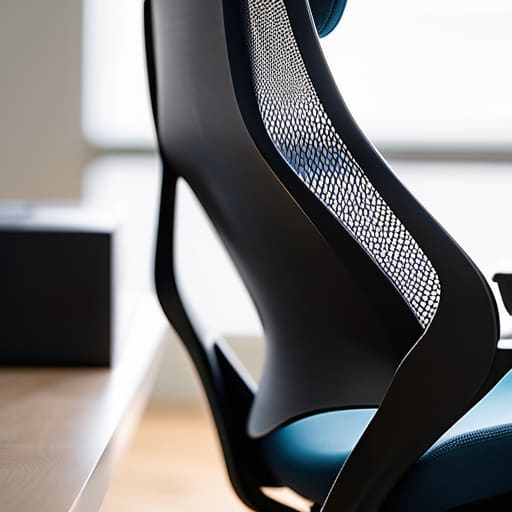
When you’re deep in a flow state—maybe you’re debugging a complex script or configuring a new cloud instance—the last thing you want is a nagging ache in your lower back pulling you out of the zone. This is where the real spinal alignment benefits come into play. It’s not just about sitting “straight”; it’s about finding a position where your musculoskeletal system isn’t fighting itself. If your chair doesn’t support the natural S-curve of your spine, your body spends more energy maintaining posture than your brain spends on the task at hand.
To actually master this, you need to look at the granular details. I always check my seat depth adjustment first; if the edge of the seat is cutting off circulation behind your knees, you’re going to be fidgeting within twenty minutes. You want that perfect balance where your thighs are supported but your spine remains neutral. When your setup handles the physical heavy lifting, your brain can finally stop processing discomfort and start processing data. That’s when the real work happens.
Why Breathable Mesh Material Is Non Negotiable
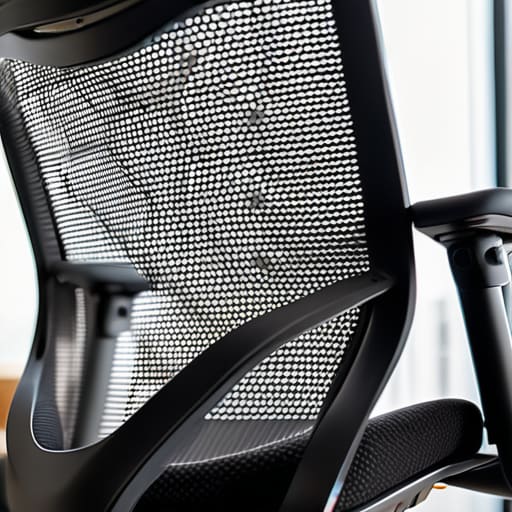
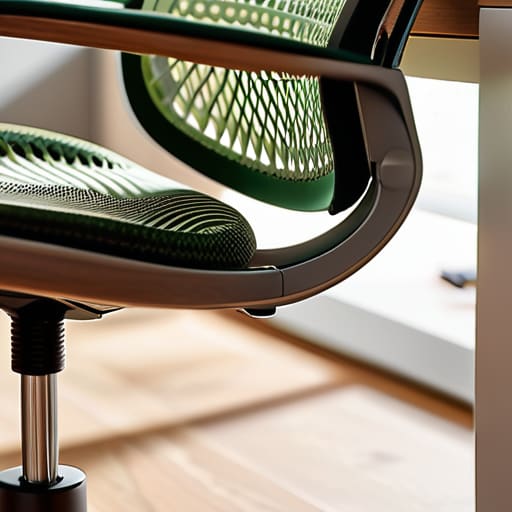
If you’re anything like me, you probably spend hours locked into a deep work session, completely losing track of time. When you finally snap out of it, the last thing you want to feel is that swampy, uncomfortable heat building up against your back. This is exactly why I consider breathable mesh material a non-negotiable part of any serious setup. Traditional foam padding might feel soft for the first ten minutes, but it eventually acts like a heat trap, breaking your focus just when you’re hitting your stride.
A high-quality mesh back allows for constant airflow, which is a game-changer for maintaining a steady body temperature during long sprints. It’s not just about comfort, though; it’s about creating a seamless ergonomic workstation setup that doesn’t distract you with physical irritation. When your gear is working correctly, you shouldn’t even notice it’s there. You need a chair that manages temperature and support quietly in the background, letting you stay in the zone without the constant need to shift around or escape the heat.
The "Invisible Setup" Checklist: 5 Ways to Stop Fighting Your Chair
- Prioritize adjustable armrests that actually move. If they’re stuck in one position, you’re going to end up shrugging your shoulders all day, which is a fast track to tension headaches. They need to tuck in so you can pull close to your desk without feeling cramped.
- Look for dynamic lumbar support, not just a static pillow. Your spine isn’t a straight line, and your chair shouldn’t treat it like one. You want something that shifts slightly as you lean in to focus or push back to think.
- Test the seat depth. If the edge of the seat is digging into the back of your knees, you’re cutting off circulation and ruining your focus. You should have a small gap between the seat and your legs to keep things fluid.
- Don’t overlook the casters. Since I’m constantly moving between different spots, I need wheels that glide smoothly on both hardwood and cheap cafe carpets. If you have to fight the chair just to reposition yourself, it’s a bad setup.
- Seek out “set and forget” tension controls. The best chairs allow you to dial in the recline tension so you can lean back to brainstorm without feeling like you’re going to flip over, or stay upright without feeling like you’re being pushed forward.
The Bottom Line: Don't Overthink It, Just Optimize
Your chair is a tool, not a trophy; if you’re constantly adjusting it to stop feeling discomfort, it’s failing its only job.
Prioritize breathability and support over aesthetics—a “cool-looking” chair is useless if you’re sweating or slouching through a deep-work session.
Invest in gear that supports your posture automatically so your brain can focus on the code or the project, not your aching lower back.
The Invisible Foundation
“If you’re spending half your session adjusting your lumbar support or shifting to ease a dull ache in your lower back, you aren’t working—you’re just fighting your furniture. A good chair shouldn’t be a centerpiece; it should be so seamless that you completely forget it’s even there.”
Elias Vandermeer
The Final Setup Check
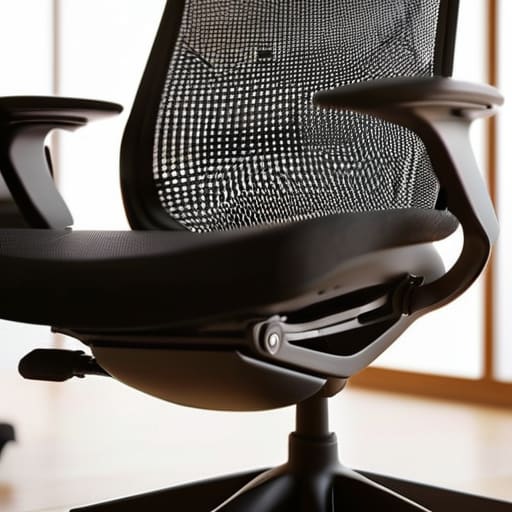
At the end of the day, picking an ergonomic chair isn’t about buying the most expensive piece of furniture you can find on a tech influencer’s sponsored list. It’s about the fundamentals we talked about: maintaining that spinal alignment so you aren’t fighting your own body during a deep work session, and choosing breathable mesh so you aren’t sweating through your tech-wear by noon. Your gear should be an extension of your workflow, not a physical obstacle. When you get the support and the materials right, the chair essentially stops being a thing you notice and starts becoming the foundation that allows you to actually stay in the zone for hours on end.
Don’t view your workspace as a static collection of objects, but as a dynamic system that needs to evolve with you. Whether you’re working from a temporary desk in a small city or a permanent home office, your physical comfort dictates your mental clarity. If your setup is working correctly, it should feel invisible. Invest in the tools that respect your biology and your need for mobility, because once you stop managing discomfort, you can finally start mastering your craft. Build a setup that adapts to your life, and the rest of the work will follow.
Frequently Asked Questions
Is it actually worth investing in a high-end chair if I'm constantly moving between different remote workspaces?
Honestly, if you’re moving every week, a heavy, high-end throne is just dead weight. I’ve learned the hard way that a massive Herman Miller is useless if it’s stuck in an Airbnb three cities away. Instead of chasing a single “perfect” chair, invest in high-quality portable peripherals—like a decent laptop stand and a travel mouse—and focus on finding local co-working spots with solid ergonomics. Your setup needs to be as mobile as your life.
How do I know if a chair is actually ergonomic or if it's just marketing fluff designed to charge more?
Look, don’t get blinded by a high price tag or “ergonomic” stickers. Real ergonomics is about adjustability, not aesthetics. If you can’t fine-tune the lumbar depth, the armrest height, and the seat tilt to match your specific frame, it’s just a fancy piece of furniture. A real ergonomic chair should feel like it’s disappearing under you, not forcing you to adapt to its shape. If it feels rigid after an hour, it’s marketing fluff.
Can a good chair actually help me stay in the zone, or is it just about preventing back pain?
It’s definitely both, but the “zone” part is where people underestimate it. If you’re constantly shifting because your lower back is screaming or your thighs are losing circulation, you’re leaking mental energy. Every micro-adjustment is a tiny distraction that pulls you out of deep work. A solid chair isn’t just about long-term spinal health; it’s about removing the physical friction that breaks your flow. If your body is comfortable, your brain can actually stay focused.