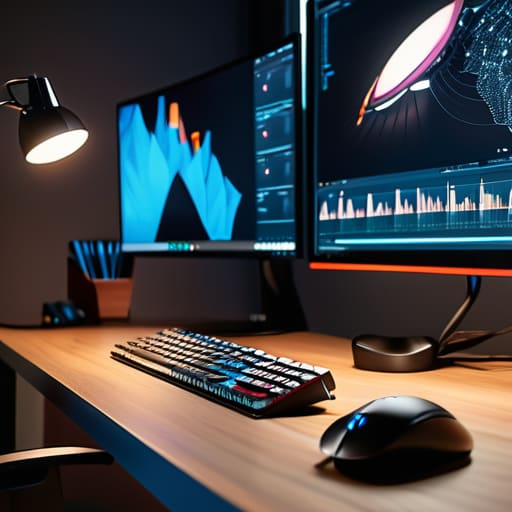
I was sitting in a cramped cafe in Lisbon last month, staring at my single 13-inch laptop screen while trying to debug a complex cloud integration. The lo-fi track in my headphones was hitting just right, but my workflow was a total wreck because I was constantly tab-switching like a maniac. Everyone tells you that a massive, permanent dual monitor setup is the only way to be productive, but they usually mean a heavy, cable-cluttered desk that anchors you to a single room for the rest of your life. To me, that’s not a productivity hack; it’s a digital leash.
I’m not here to sell you on some overpriced, stationary workstation that requires a dedicated office space to function. Instead, I want to show you how to build a high-level, portable ecosystem that actually moves with you. I’ll be sharing the exact, no-nonsense configurations I use to maintain a seamless dual monitor setup while traveling, focusing on cloud-based tools and lightweight hardware that won’t kill your mobility. If you want a setup that adapts to your life rather than dictating where you can sit, you’re in the right place.
Table of Contents
Mastering Ergonomic Workstation Layouts for Flow
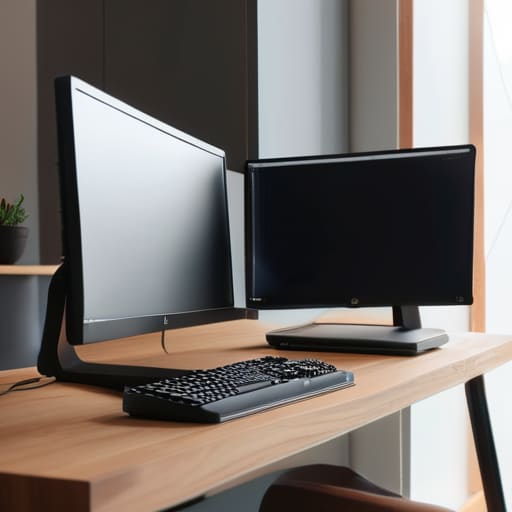
When you’re working out of a cramped cafe or a tiny studio apartment, you quickly realize that physical comfort isn’t a luxury—it’s a requirement for staying in the zone. I’ve learned the hard way that if your screens aren’t at eye level, you’ll be fighting a neck ache before your first coffee is even cold. To avoid this, I swear by monitor mounting solutions that clear up your desk footprint. Using a high-quality arm doesn’t just save space; it allows you to micro-adjust your viewing angles every time you shift positions, which is essential when you’re trying to maintain a deep flow state.
It’s not just about where the screens sit, though; it’s about how they interact with your biology. A proper ergonomic workstation layout means your primary task stays dead center, while your secondary display acts as a peripheral reference point rather than a constant distraction. I usually tweak my display settings for multitasking to ensure the color profiles and brightness levels match perfectly between screens. If one is blindingly bright and the other is dim, your brain is constantly working to compensate, and that’s a fast track to mental fatigue.
The Freedom of Seamless Monitor Mounting Solutions
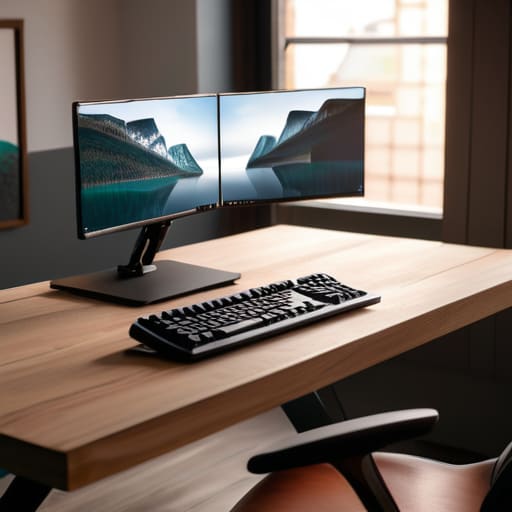
If you’re still working with monitors sitting on their factory-issued plastic stands, you’re wasting precious real estate. Those bulky bases are the enemy of a clean, minimalist workspace. I’ve found that investing in high-quality monitor mounting solutions is the fastest way to reclaim your desk. By switching to a heavy-duty gas spring arm, you instantly clear out that dead space underneath your screens, leaving room for your mechanical keyboard, a notebook, or just the mental breathing room you need to actually think.
Beyond just saving space, the real magic is in the micro-adjustments. When you’re traveling or working from a temporary setup, being able to instantly pivot a screen or adjust the height to match your eye level is a game changer for preventing neck strain. I always prioritize the best monitor arms for desk space that allow for fluid movement; if I need to switch from deep-focus coding to a quick video call, I want my hardware to move with me, not stay locked in a static, uncomfortable position. It’s about making the tech disappear so the work stays front and center.
Five Ways to Keep Your Dual-Screen Setup from Becoming a Clutter Trap
- Prioritize matching your refresh rates and resolutions; nothing kills my focus faster than a stuttering secondary screen when I’m trying to move windows between them.
- Invest in a high-quality, single-arm dual mount rather than two separate stands to reclaim your desk real estate—space is a premium, especially when you’re working from a cafe or a tiny Airbnb.
- Map your monitor orientation based on your primary task, not just what looks cool; if you’re coding, a vertical secondary monitor is a game changer for reading long files without constant scrolling.
- Use a single-cable USB-C or Thunderbolt dock to connect everything; if I have to plug in five different cables every time I move to a new location, the setup has already failed my nomad lifestyle.
- Manage your cable routing from day one using Velcro ties or integrated tray channels; a “seamless” digital workflow is impossible if you’re staring at a bird’s nest of wires every time you sit down.
The Mobile Setup Mindset
Stop treating your monitors like permanent furniture; if your dual-screen ecosystem isn’t portable or easily reconfigurable, it’s a tether, not a tool.
Prioritize cloud-based workflows and lightweight mounting solutions so your digital workspace can migrate from a home office to a cafe without losing your flow.
Focus on invisible tech—choose hardware and cable management that stays out of your way so you can actually concentrate on the code or the project at hand.
## Beyond the Static Desk
“A dual monitor setup shouldn’t feel like an anchor pinning you to a single desk; it should be a seamless extension of your digital headspace, whether you’re in a high-end co-working space or a tiny cafe with spotty Wi-Fi.”
Elias Vandermeer
Building a Setup That Actually Moves With You
At the end of the day, a dual monitor setup isn’t just about having more screen real estate to clutter your vision; it’s about creating a functional ecosystem that supports your brain. We’ve covered how ergonomic layouts keep you from feeling like a hunchback by 3 PM, and how smart mounting solutions turn a heavy, static desk into something that feels light and adaptable. Whether you’re optimizing your digital workspace through cloud-synced tools or perfecting your physical layout, the goal is the same: minimizing friction. When your hardware and software work in total harmony, you stop fighting your tools and start actually doing the work.
Don’t fall into the trap of thinking you need a permanent, heavy-duty command center to be a professional. The most powerful setups are the ones that feel invisible—the ones that allow you to shift from a focused deep-work session to a quick change of scenery without missing a beat. Your gear should serve your lifestyle, not act as an anchor that keeps you tied to a single corner of a room. Build something that is portable, seamless, and scalable. If your setup can’t keep up with your need for freedom, it’s time to rethink it.
Frequently Asked Questions
How do I manage a dual monitor setup when I'm working from a cafe or a space with limited desk real estate?
Honestly, you can’t lug a full desktop rig into a cafe. My rule is: if it doesn’t fit in a tech pouch, it’s dead weight. I rely on a high-end portable USB-C monitor that clips right onto my laptop lid or sits slim on the table. It gives me that extra screen real estate for documentation without killing my vibe or taking up the entire tiny bistro table. Keep it light, keep it cloud-synced, and move on.
What’s the best way to sync my cloud-based workflows across two screens without getting distracted by notification clutter?
The trick is to stop treating your second screen like a dumping ground for Slack and email. I use a dedicated “focus” screen for my primary IDE or documentation, and I keep the second one strictly for high-level visual context—like a terminal or a cloud dashboard. I route all my notifications to a single, non-intrusive sidebar on my primary screen. If it’s not essential to the task at hand, it shouldn’t be fighting for your attention.
Are there specific lightweight monitor mounts that won't wreck my portable tech-wear aesthetic or my travel bag?
Look, if you’re traveling, you can’t be lugging around those heavy, steel-plate desk clamps. They’re bulky and a nightmare for my pack. I usually stick to lightweight, foldable aluminum mounts or even high-end tablet stands that can double as small monitor props. If it doesn’t fold flat enough to slide into a tech-wear sleeve or a slim laptop bag, it’s dead weight. Keep it minimal, keep it light, and keep moving.