Most people think a “minimalist desk aesthetic” means buying a $300 designer lamp and a single, overpriced succulent just to look good on an Instagram feed. They treat it like a museum exhibit rather than a functional workspace. I’ve seen too many setups that look “clean” but are actually useless—where you spend more time rearranging decor than actually shipping code. If your setup requires a degree in interior design just to keep it looking tidy, it’s not minimalist; it’s just high-maintenance clutter disguised as simplicity.
I’m not here to sell you on a specific brand of walnut monitor stand or a lifestyle you can’t maintain while traveling. Instead, I want to show you how to build a setup that actually serves your workflow. I’m going to break down how to strip away the friction and create a space that stays organized, whether you’re in a permanent home office or a temporary cafe with spotty Wi-Fi. We’re focusing on functional minimalism—tools that stay out of your way so you can actually get your work done.
Table of Contents
Achieving Flow With a Neutral Color Palette Workspace
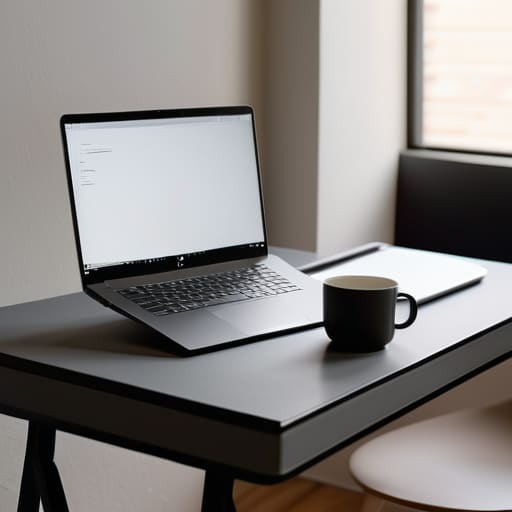
I’ve found that when my visual field is cluttered with loud colors or chaotic patterns, my brain starts racing before I’ve even opened my terminal. That’s why I lean heavily into a neutral color palette workspace. I’m talking muted greys, soft whites, and deep charcoals. It isn’t about being boring; it’s about reducing the cognitive load. When your environment is visually quiet, you can actually hear yourself think.
I usually pull inspiration from a scandinavian desk setup—lots of natural textures like wood or felt, but kept strictly within a tight color range. If you’re experimenting with monochromatic desk styling, try to layer different shades of the same tone rather than just sticking to one flat color. It adds depth without adding distraction. The goal is to create a space where the hardware feels like a natural extension of the desk, not a neon sign screaming for your attention. When the colors are dialed in, the tools become invisible, and that’s exactly when the real work starts happening.
Curating Essential Desk Essentials for Zero Friction
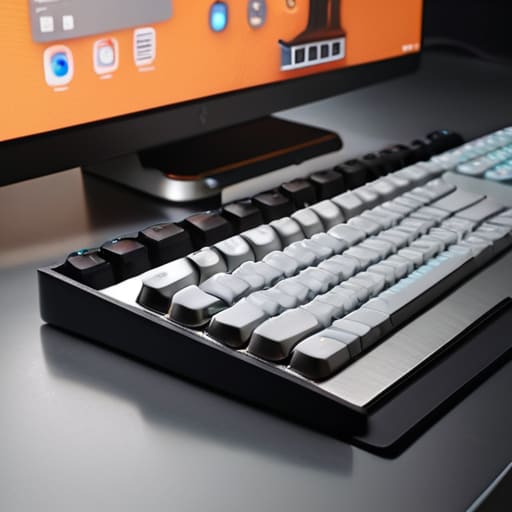
The biggest mistake I see people make is treating their desk like a museum. They buy all these pretty trinkets just to hit a certain “look,” but if those items don’t serve a function, they’re just visual noise. To get to true zero friction, you need to treat your gear like a curated toolkit. I focus on essential desk essentials that bridge the gap between form and function—think a high-quality mechanical keyboard with tactile switches or a precision trackpad. If it doesn’t help you execute a task faster or more comfortably, it doesn’t belong on the surface.
When I’m setting up in a new city, I stick to a strict rule of portability over permanence. I lean into a scandinavian desk setup vibe because it favors clean lines and high-utility items that don’t feel heavy or overwhelming. Instead of bulky organizers, I use a single felt desk mat to define my workspace and keep my peripherals in place. This isn’t just about looking clean; it’s about productivity through organization. When every tool has a dedicated, logical spot, you stop fighting your environment and start actually doing the work.
The Logic of Less: Five Ways to Refine Your Space
- Hide the chaos with cable management. If I can see a tangle of wires under my desk, my brain treats it like an unfinished task. Use sleeves or trays to tuck everything away; if it’s not visible, it’s not distracting you.
- Prioritize multi-functional gear. I don’t have room for a dedicated printer or a massive desktop tower. Every piece of hardware on my desk needs to earn its spot by doing more than one thing.
- Go wireless wherever it actually makes sense. My mechanical keyboard and mouse are wireless to keep the surface clean, but only if the latency is non-existent. If a tool forces a tether, it’s a friction point.
- Use vertical space to clear your footprint. A small monitor arm or a simple wall mount for my headset keeps the desk surface open. The less physical “stuff” touching the desk, the more room you have to actually think.
- Audit your digital desktop too. A minimalist physical setup is useless if your screen is buried under fifty random files and a cluttered taskbar. Keep your digital environment as clean as your physical one to maintain that flow.
The Bottom Line: Build for Mobility, Not Just Looks
Stop buying heavy, permanent furniture; if your setup can’t be packed into a bag or moved to a new cafe without a mental breakdown, it isn’t truly minimalist.
Prioritize high-quality, single-purpose tools that disappear when you’re in the zone rather than a collection of gadgets that just add visual noise.
Use a neutral, cohesive color palette to reduce cognitive load, ensuring your environment supports your focus instead of competing for your attention.
## The Philosophy of Less
A minimalist desk isn’t about having an empty surface; it’s about removing every piece of visual noise that isn’t actively helping you solve a problem. If a tool doesn’t earn its spot on your desk every single day, it’s just clutter disguised as gear.
Elias Vandermeer
Stripping it Back to the Essentials

At the end of the day, a minimalist desk aesthetic isn’t about following some curated Instagram trend or buying every matte-black gadget on the market. It’s about the intentionality behind what you keep and what you discard. By leaning into a neutral color palette and ruthlessly curating your physical tools, you’re doing more than just cleaning up your space—you’re reducing the cognitive load that constant clutter imposes on your brain. Whether you’re working from a temporary rental in a new city or a permanent home office, the goal remains the same: keep your setup lean, keep your cables managed, and ensure your tools are ready to work the second you are.
Don’t get caught in the trap of thinking you need a perfect, static environment before you can start being productive. The best setups are the ones that evolve with you and stay out of your way when the deep work begins. Build a workspace that prioritizes mobility and seamlessness over pure decoration. Remember, your desk shouldn’t be a monument to your gear; it should be a launchpad for your ideas. If your environment is helping you find your flow rather than fighting for your attention, you’ve already won. Now, stop tweaking the layout and actually get to work.
Frequently Asked Questions
How do I maintain a minimalist look when I have a bunch of messy cables and power strips?
Cable management is the difference between a professional setup and a disaster zone. If you can see the spaghetti, you’ve already lost the battle. Start with a solid under-desk cable tray to hide your power strips—get them off the floor and out of sight. Use Velcro ties (never zip ties, they’re too permanent) to bundle cords along the desk legs. If it’s not essential, tuck it away. Keep the surface clean so the tech stays invisible.
Is it actually possible to keep a setup this clean if I’m working from different locations or cafes?
Honestly? It’s harder, but it’s the only way to stay sane. If your setup is tethered to a specific desk, you aren’t actually mobile—you’re just a nomad with a heavy backpack. The trick is to treat your “setup” as a digital ecosystem rather than a physical one. If your files are in the cloud and your peripherals are compact but high-quality, you can recreate that same frictionless environment anywhere, from a cafe in Lisbon to a library in Berlin.
How do I balance a "minimalist" aesthetic with the need for high-performance gear like multiple monitors or heavy-duty peripherals?
It’s a common trap: thinking minimalism means sacrificing power. It doesn’t. To me, minimalism isn’t about having less gear; it’s about having less visual noise. If you need dual monitors for deep work, go for it—just mount them on a high-quality monitor arm to clear up desk real estate. Hide your cables, use a single high-performance dock to reduce clutter, and keep your peripherals streamlined. High performance is the goal; the aesthetic is just about managing the chaos.