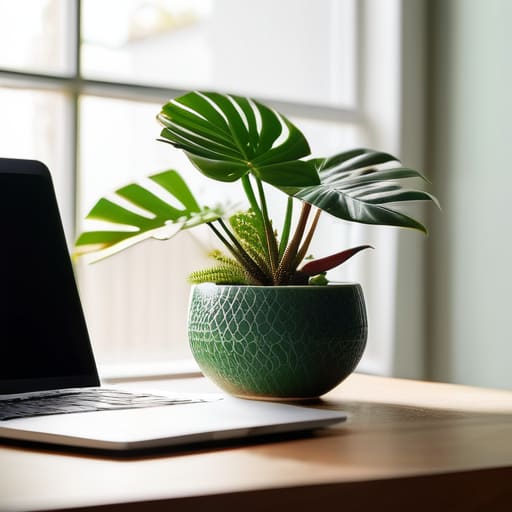
I used to think that adding greenery to a workspace was just another way for people to overcomplicate a minimalist setup with unnecessary maintenance and clutter. I’ve spent years perfecting cable management and optimizing cloud latency, so the idea of “decorating” felt like a distraction from actual deep work. But after months of staring at nothing but cold aluminum and matte black surfaces in various Airbnbs, I realized I was missing something vital. It turns out that the real home office plant benefits aren’t about making your desk look “aesthetic” for a social media post; they’re about breaking the sterile, digital vacuum that kills your focus when you’re grinding through a long deployment.
I’m not here to sell you on some expensive, high-maintenance jungle that requires a degree in botany to keep alive. I’m going to show you how to integrate a few low-friction living elements that actually serve your workflow without becoming another chore on your to-do list. We’re talking about practical, durable choices that improve your air quality and mental clarity while staying out of the way of your hardware. If you want to build a workspace that actually feels human, here is how you do it without the fluff.
Table of Contents
- Natural Air Purification Indoor Plants for Seamless Focus
- Reducing Workplace Stress With Plants to Maintain Momentum
- Low-Maintenance Integration: Keeping Your Setup Green Without the Friction
- Quick Wins for a Better Setup
- ## The Aesthetic of Functionality
- Final Thoughts on a Living Setup
- Frequently Asked Questions
Natural Air Purification Indoor Plants for Seamless Focus
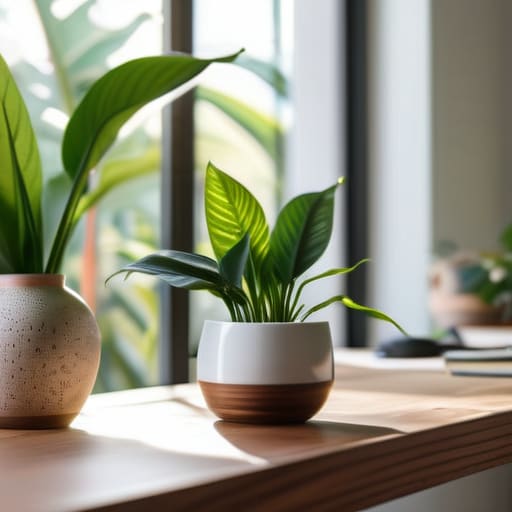
When I’m deep in a systems integration sprint, the last thing I want to deal with is stale, recycled air making my head feel heavy. It’s a subtle thing, but a stuffy room is a productivity killer. This is where natural air purification indoor plants actually earn their keep. I’m not talking about a complex garden, but rather a few strategic pieces like a Snake Plant or a Peace Lily that act as silent, organic filters. They scrub the air of toxins while I’m busy debugging code, helping to keep my mental clarity sharp without me having to lift a finger.
For my setup, I prioritize low maintenance office greenery because, frankly, I don’t have time to baby a high-maintenance fern. If a plant requires a daily misting schedule, it’s just another piece of “clutter” fighting for my attention. I look for species that thrive on neglect. By integrating these living elements, you’re essentially upgrading your environment’s hardware. It’s about creating a seamless ecosystem where the air quality supports your focus rather than working against it.
Reducing Workplace Stress With Plants to Maintain Momentum
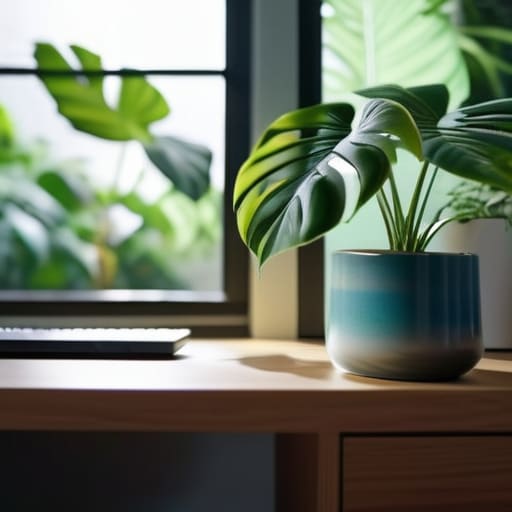
When I’m deep in a complex systems integration, my brain can start to feel like it’s redlining. The mental fatigue is real, especially when you’re staring at terminal windows for six hours straight. I’ve found that having some low maintenance office greenery nearby acts like a manual reset button for my focus. It isn’t about making a “pretty” space; it’s about breaking that visual monotony that leads to burnout.
There is a genuine psychological impact of indoor greenery that most people overlook in their quest for a sterile, high-tech aesthetic. Instead of a cold, empty desk, a bit of life around your peripherals helps lower your cortisol levels without being a distraction. For me, it’s about reducing workplace stress with plants so I can stay in the zone longer. You don’t need a jungle—just a few resilient species that won’t die the moment you change your location or travel for a week. Keeping the environment soft helps you maintain momentum when the troubleshooting gets heavy.
Low-Maintenance Integration: Keeping Your Setup Green Without the Friction
- Stick to “set and forget” varieties like Snake Plants or Pothos; if you’re constantly worrying about watering schedules, they’re just another piece of technical debt in your workspace.
- Match your plant’s light requirements to your desk’s position—don’t force a high-maintenance tropical into a dark corner just because it looks good in a mockup.
- Use smart moisture sensors if you’re prone to overwatering; I’d rather spend ten seconds checking an app than replacing a dead succulent every month.
- Keep the footprint minimal; choose slim, vertical planters that don’t eat into your desk real estate or mess up your cable management.
- Group your greenery near your primary workstation to maximize the visual connection during deep work sessions, but keep them far enough away that a spill doesn’t fry your hardware.
Quick Wins for a Better Setup
Don’t overcomplicate it; pick a few low-maintenance plants that clean the air without requiring a constant maintenance schedule that breaks your flow.
Use greenery as a visual reset to lower your cortisol levels when you’ve been staring at a terminal or a cloud dashboard for too long.
Treat plants as functional components of your workspace, not just decor, to help maintain a calm, focused environment anywhere you land.
## The Aesthetic of Functionality
“At the end of the day, a workspace shouldn’t just be a collection of hardware and cables; adding a bit of life into the setup breaks that sterile, digital fatigue and actually makes the environment feel like somewhere you can sustain deep work for the long haul.”
Elias Vandermeer
Final Thoughts on a Living Setup
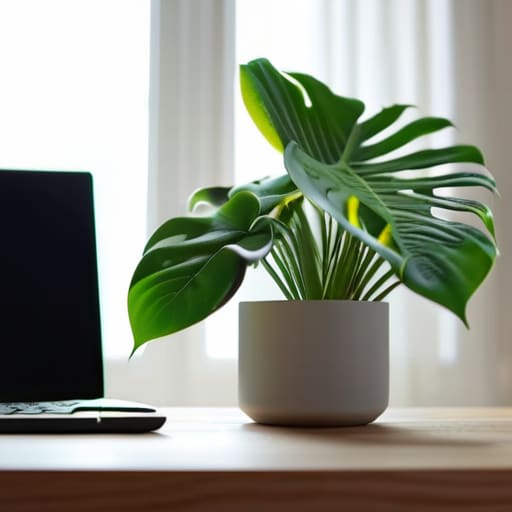
At the end of the day, adding plants to your setup isn’t just about aesthetics or making your desk look good for a quick social media post. It’s about building a functional ecosystem that supports your brain while you’re deep in a flow state. We’ve looked at how they scrub the air to keep your focus sharp and how they act as a natural buffer against the mental fatigue that comes with back-to-back sprints. Whether you’re managing complex cloud migrations or just trying to stay sane during a long deployment, these small, living additions help minimize the friction between you and your work.
My philosophy has always been that your tools should be invisible, and honestly, I think plants fit that perfectly. They don’t require a software update or a massive power draw; they just exist to make your environment feel less like a sterile server room and more like a space where you can actually thrive. Don’t overthink it—you don’t need a jungle, just a few low-maintenance pieces that move with your lifestyle. Invest in a bit of greenery and let your workspace evolve alongside you. It’s one of the simplest ways to ensure your setup is working as hard as you are.
Frequently Asked Questions
Which low-maintenance plants actually survive in a setup with minimal natural light?
If you’re working in a corner with zero windows, don’t stress. You don’t need a greenhouse; you just need survivors. I usually go with Snake Plants or ZZ Plants—they’re basically indestructible and thrive on neglect. If you want something that looks a bit more “organic” near your monitors, a Pothos is your best bet. They handle low light easily and won’t die just because you forgot to water them during a heavy sprint.
How do I integrate greenery into a minimalist, cable-managed desk without creating more clutter?
Keep it small and intentional. If you’re running a clean, cable-managed setup, you don’t want a massive ceramic pot swallowing your desk real estate. Go for small succulents or a single snake plant in a sleek, matte planter that matches your tech aesthetic. Tuck them into the corners or near your monitor stand to fill negative space without breaking your flow. If it doesn’t serve the minimalism, it’s just more noise.
Are there specific plants that help with air quality without requiring a heavy, high-maintenance watering schedule?
If you’re looking to keep your setup clean without adding “plant parent” to your to-do list, go for Snake Plants or ZZ plants. They’re basically indestructible and thrive on neglect, which is perfect when you’re traveling or deep in a sprint. If you want something that actually cleans the air while looking sharp, a Pothos is your best bet. They grow fast, handle low light well, and won’t die if you forget them for a week.