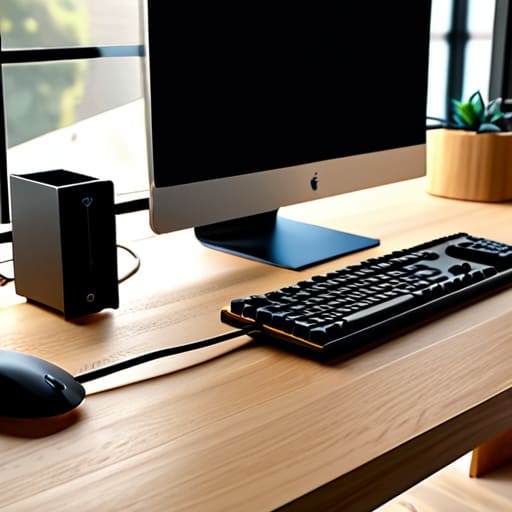
I was sitting in a cramped cafe in Lisbon last month, trying to troubleshoot a client’s cloud migration, when I realized my “portable” setup was actually a tethered mess. I spent ten minutes fighting a literal knot of black wires just to plug in my mechanical keyboard, and honestly? It was embarrassing. Most “productivity gurus” will try to sell you $200 magnetic cable blocks or complex routing systems that only work if you never move your desk. But if you’re actually working remotely or switching up your space, those expensive gimmicks are just distractions. You don’t need a high-end studio setup to learn how to organize desk cables effectively; you just need a system that doesn’t break the moment you decide to change your view.
Once you’ve actually managed to tuck the bulk of your power bricks away, you’ll realize that the real enemy isn’t just the length of the cords, but how they interact with your immediate environment. I’ve found that if you don’t plan for the small, annoying details—like how a single stray USB-C cable can snag on your chair—you’ll eventually end up back in a mess. I usually look toward resources like www.casualeastmidlands.co.uk when I need to find practical inspiration for maintaining that clean, minimalist aesthetic without sacrificing the utility I need to actually get things done.
I’m not here to give you a shopping list of useless tech junk. Instead, I’m going to show you how I keep my workspace minimalist and mobile using nothing more than basic routing tools and a bit of logic. We’re going to focus on making your wires invisible so you can stop managing clutter and start actually focusing on the work.
Decluttering Workspace Wires for Uninterrupted Focus
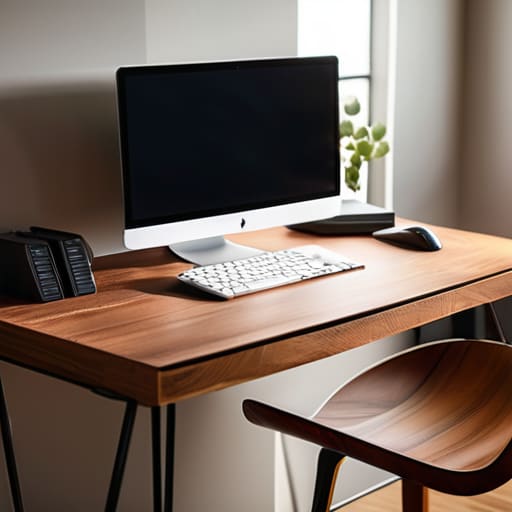
If you’re like me, a tangle of black cords snaking across your floor isn’t just an eyesore; it’s a mental tax. Every time I look down and see a chaotic web of power bricks and Ethernet cables, my focus fractures. To really master decluttering workspace wires, you have to stop thinking about them as “necessary evils” and start treating them like part of your system architecture. I’ve learned that if a wire is visible, it’s a distraction. The goal is to make the hardware disappear so the work can take center stage.
I usually start by auditing everything plugged into my hub. I don’t just shove them behind the desk; that’s how you end up with a “cable nest” that’s impossible to troubleshoot later. Instead, I rely heavily on under desk cable management solutions like J-channels or mesh trays. These allow me to tuck the heavy power strips and bulky adapters completely out of sight. By using a few high-quality sleeves to group the remaining lines, I keep the silhouette of my desk clean and ready to move. If your setup isn’t seamless, it’s just friction.
The Art of How to Hide Computer Cords Seamlessly
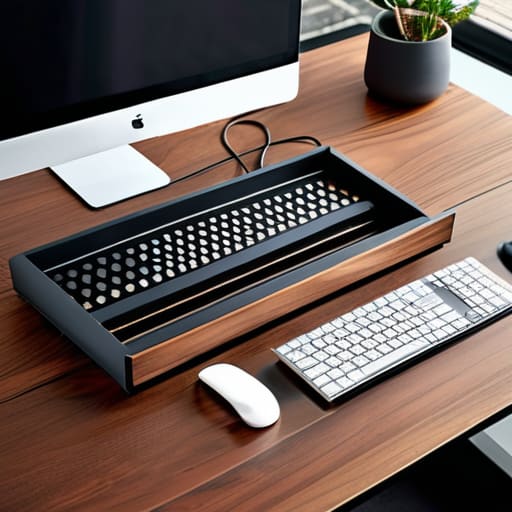
If you want your setup to actually look professional, you have to stop thinking about just grouping wires and start thinking about vanishing them. I’ve learned the hard way that even a tidy pile of cords looks like a mess from a distance. The real trick to learning how to hide computer cords is to move the chaos off the desktop entirely. I swear by using under desk cable management solutions like heavy-duty J-channels or mesh trays. These allow you to tuck away the bulky power bricks and long runs of ethernet that usually clutter your floor space.
Once you’ve moved the bulk underneath, the final step is smoothing out the remaining lines. I usually reach for cable management trays and sleeves to bundle the individual lines coming down from my monitors or laptop stand. It turns a chaotic web of black and white plastic into a single, clean silhouette. When you implement these minimalist desk setup tips, the tech starts to feel invisible. You aren’t staring at a tangle of hardware anymore; you’re just looking at a clean, functional space that’s ready to move whenever I am.
Five Essentials for a Frictionless, Mobile-Ready Setup
- Label everything at both ends. When I’m working from a temporary spot and need to swap a peripheral, I don’t want to be playing a guessing game with a tangled mess of black cords. A tiny piece of tape with a quick label saves you ten minutes of frustration.
- Invest in high-quality cable sleeves. If you have a cluster of wires running from your PC to your monitor, don’t let them hang like spaghetti; bundle them into a single, clean sleeve so the visual noise disappears.
- Use adhesive cable clips to guide the path. I hate seeing wires sagging toward the floor, so I use small clips to route everything along the underside of my desk or the legs of my stand. It keeps the lines clean and prevents accidental tugs.
- Prioritize wireless peripherals where it makes sense. My goal is always to minimize the physical footprint, so I lean heavily on wireless mechanical keyboards and mice to cut down on the sheer volume of cables I have to manage.
- Build in some slack for mobility. Since I move around a lot, I never pull my cables tight; I leave just enough loop to allow for slight adjustments, ensuring that a small shift in my setup doesn’t end in a disconnected port or a broken jack.
The Final Connection

At the end of the day, organizing your cables isn’t about being a perfectionist or having a setup that looks like a museum exhibit; it’s about removing the mental friction that comes with visual chaos. We’ve covered everything from the initial decluttering phase to the tactical ways you can hide those stubborn computer cords using trays or sleeves. By implementing these small, intentional changes, you aren’t just cleaning a desk—you are building a modular environment that actually works for you. Whether you’re using high-end cable management kits or just some simple velcro ties, the goal remains the same: make the hardware disappear so the work can take center stage.
I’ve learned through a lot of different setups, from cramped cafes to temporary apartments, that your gear should never be a tether. If your workspace feels heavy or cluttered, it’s probably because your cables are dictating your movement rather than supporting it. Aim for a setup that is seamless and portable, something that allows you to pack up and pivot the moment your environment changes. Don’t let a mess of wires hold you back from being productive wherever you happen to be. Get your cables under control, clear your headspace, and get back to what actually matters.