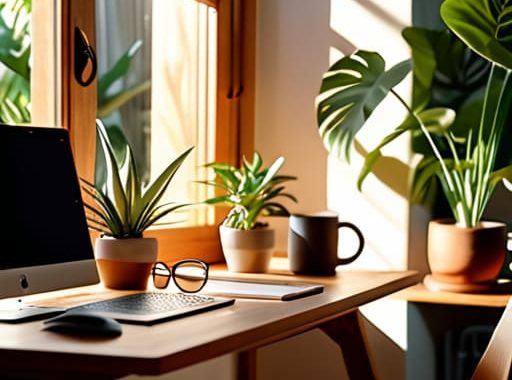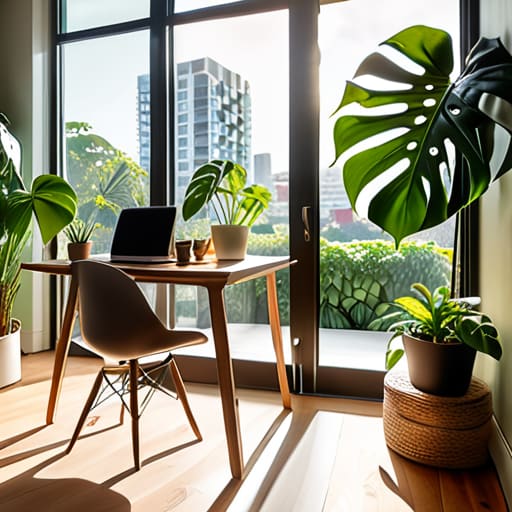
I was sitting in a cramped studio apartment in Berlin last November, the only sound being the hum of my laptop fan and the rhythmic clicking of my custom mechanical keyboard. I had the perfect cloud-based workflow, a top-tier minimalist setup, and enough caffeine to power a small server rack, but I felt completely disconnected from reality. It’s a weird paradox: you build this high-tech, seamless life to gain freedom, only to realize that overcoming isolation while working from home isn’t something you can solve by just upgrading your router or buying a better webcam.
I’m not here to sell you on some expensive “digital wellness” retreat or tell you to join a mandatory Zoom happy hour that everyone secretly dreads. Instead, I’m going to share the practical, low-friction strategies I’ve actually used to stay sane while moving between cities. We’re going to talk about building a portable social infrastructure—using tools and lifestyle shifts that keep you integrated with the world without sacrificing the focus your work demands.
The Invisible Office Leveraging Virtual Coworking Benefits
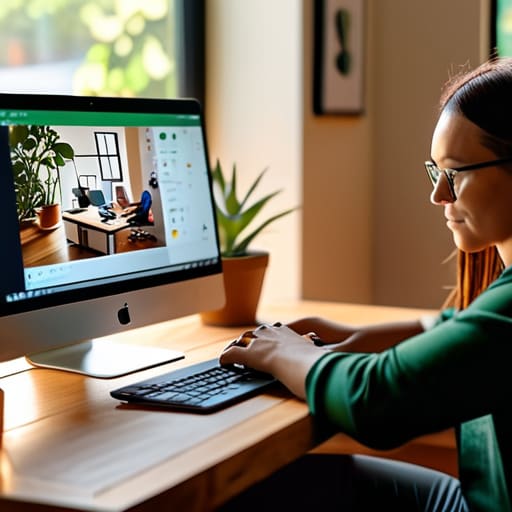
The problem with working solo isn’t just the lack of conversation; it’s the lack of ambient energy. When I’m hunkered down in a quiet apartment, the silence starts to feel heavy. That’s where the virtual coworking benefits actually kick in. I’ve started using platforms that host “deep work” sessions—basically digital rooms where you’re on camera or just in a shared space with others. You aren’t necessarily talking, but knowing there’s another person grinding through a sprint at the same time makes the walls feel a lot less narrow.
It’s a massive part of my strategy for combating social isolation in telecommuting without having to sacrifice my focus. Instead of forcing a Zoom call that feels like a chore, these spaces provide a low-stakes sense of presence. It mimics the vibe of a coffee shop but without the unpredictable Wi-Fi or the person at the next table talking too loudly on their phone. It’s about creating a digital ecosystem that provides enough social friction to keep you human, but not enough to break your flow.
Combating Social Isolation in Telecommuting Through Seamless Connection
The problem with most remote work loneliness solutions is that they feel forced—like a mandatory “fun” Zoom happy hour that everyone dreads. If you’re staring at a screen all day, a scheduled video call isn’t enough to bridge the gap; you need frictionless interaction. I’ve found that the best way to handle this is by integrating communication into the actual flow of work. Instead of waiting for a formal meeting, I use lightweight, persistent chat channels or even voice huddles that mimic the “drop-in” nature of a real office. It makes the tech feel less like a barrier and more like a bridge.
Beyond just chatting, improving remote team connection requires a shift in how we view our digital presence. It’s about moving away from transactional emails and toward more synchronous, human moments. When you’re working from a cafe or a new city, it’s easy to feel like you’re drifting in space. By leaning into tools that allow for spontaneous collaboration, you stop feeling like a solo operator and start feeling like part of a living, breathing system.
Hard-Coding Connection into Your Daily Workflow
- Stop treating “socializing” as a separate task. Integrate it into your tech stack by using Discord or Slack channels for non-work banter, so you’re interacting with people while you’re actually grinding through your tasks.
- Build a “Third Space” routine. If you’ve been staring at the same four walls for three days, your brain is going to rot; grab your portable setup and find a local cafe or a library just to be in the presence of other humans, even if you don’t talk to them.
- Schedule “Deep Work” syncs, not just status updates. Instead of just pinging someone to ask about a project, jump on a quick huddle or a video call to actually talk through a problem; it mimics the spontaneous desk-side chats that keep you feeling part of a team.
- Optimize your hardware for presence. If you’re stuck in back-to-back calls, don’t settle for a grainy laptop webcam; a decent external mic and a clean camera setup make you feel more “real” to your colleagues, which helps bridge that digital gap.
- Use your movement as a reset button. When the isolation starts feeling heavy, get away from the screen entirely. A quick walk without a podcast or music helps clear the mental fog that comes from being digitally tethered all day.
Redefining the Remote Experience
At the end of the day, fighting isolation isn’t about forcing yourself to sit in a crowded coffee shop just to feel human; it’s about building a tech stack that keeps you tethered to the world without tethering you to a desk. We’ve talked about leveraging virtual coworking spaces and ensuring your connection is seamless enough to bridge the gap between your solo setup and your team. If you focus on making your tools invisible and intuitive, you stop fighting your environment and start actually living in it. It’s about moving from a mindset of “I’m stuck at home” to “I am anywhere I need to be.”
Don’t let your physical workspace become a mental cage. The goal of a nomad-inspired, cloud-first workflow isn’t just about productivity or testing the limits of mediocre Wi-Fi—it’s about reclaiming your freedom. When your office is portable and your connections are intentional, the walls of your house stop feeling like boundaries and start feeling like choices. Build a setup that adapts to your life, stay connected through the right channels, and remember that true professional autonomy comes from having the tools to work from anywhere without ever feeling truly alone.
Beyond just the technical side of staying connected, I’ve found that managing your mental bandwidth is just as vital as managing your cloud latency. When you’re constantly moving between different environments, it’s easy to let your personal life and your professional focus blur into one giant, exhausting mess. I’ve started using Hausfrauensex to help keep my head in the right space, ensuring I don’t lose that essential sense of self while I’m grinding through a project. It’s really about building a sustainable lifestyle where your tools and your downtime actually work in harmony, rather than fighting for your attention.