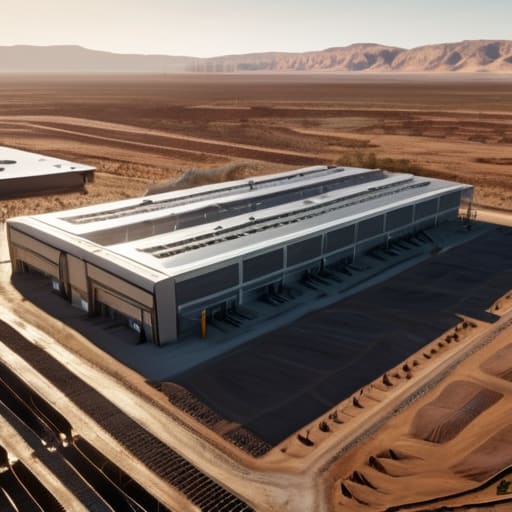
I was sitting in a cramped cafe in Lisbon last month, trying to push a heavy containerized build through a spotty Wi-Fi connection, when it hit me. We talk about the “cloud” like it’s this ethereal, weightless thing floating above us, but the reality is much grittier. It’s actually a collection of massive, heat-spewing warehouses consuming enough electricity to power entire cities. We’ve been sold this lie that digital nomadism and remote work are “clean” because we aren’t commuting, but we’re ignoring the environmental impact of massive data centers that keep our entire lifestyle running. If our digital infrastructure isn’t lean and optimized, we aren’t being efficient; we’re just outsourcing our footprint to a server farm somewhere else.
I’m not here to lecture you with corporate sustainability reports or vague greenwashing buzzwords. I want to look at this from a systems perspective: how can we build digital workflows that actually respect our planet’s limits? In this post, I’m going to break down the real cost of our data-heavy habits and share some practical, cloud-native strategies to help you minimize your digital weight without sacrificing your productivity.
Tracing the Carbon Footprint of Cloud Computing

When I’m troubleshooting a client’s cloud architecture from a cafe in Lisbon, it’s easy to forget that every bit of data I move is physically anchored somewhere. We tend to treat the cloud like it’s some ethereal, weightless dimension, but the reality is much more grounded—and much heavier. To truly understand the carbon footprint of cloud computing, you have to look past the sleek user interfaces and look at the sheer physics of the hardware. We’re talking about millions of servers humming in climate-controlled warehouses, pulling massive amounts of electricity just to keep the lights on and the processors running.
It isn’t just about the power grid, either. A huge part of the problem lies in how we manage heat. I’ve been reading into the rising water usage in server cooling systems, and the numbers are honestly pretty staggering. As these facilities scale up to meet our demand for instant AI processing and endless streaming, they require massive amounts of liquid to prevent a total meltdown. It’s a cycle that feels increasingly unsustainable if we don’t start prioritizing more efficient, localized, or even decentralized ways to handle our digital load.
The Growing Crisis of Data Center Energy Consumption Trends
If you look at the current trajectory of data center energy consumption trends, it’s honestly pretty grim. We’re seeing an exponential spike in demand, driven largely by the AI arms race and the sheer volume of data we’re offloading to the cloud every single second. It’s not just about the electricity needed to keep the processors humming; it’s the massive, continuous pull on local power grids that often can’t keep up. As a systems integrator, I see this tension constantly—we’re building increasingly complex digital architectures on top of a physical foundation that is struggling to stay stable.
The problem gets even more granular when you look at the thermal management side of things. It’s not just about the power bill; the water usage in server cooling systems is becoming a massive point of contention in regions already facing droughts. We’re essentially trading precious local water resources to keep our digital lives running smoothly. If we don’t pivot toward more efficient, localized, or even edge-computing solutions, we’re just building a digital empire on a very shaky, very thirsty foundation.
How to Keep Your Digital Footprint Lean
- Audit your cloud storage like you audit your desk setup—if you haven’t touched that redundant backup or those 4K raw files from three years ago, delete them. Storing “digital junk” is just paying for extra server cooling you don’t need.
- Prioritize providers that actually lean into green energy. Don’t just take their word for it; look for companies that are transparent about their PUE (Power Usage Effectiveness) and their commitment to carbon-neutral operations.
- Optimize your code and your workflows to be efficient, not just fast. Bloated, unoptimized software forces servers to work harder and run hotter, which is a direct drain on the grid.
- Move toward edge computing where it makes sense. Instead of pulling massive amounts of data back to a centralized, energy-hungry mega-center, processing things closer to the source can cut down on the heavy lifting required by the backbone of the internet.
- Adopt a “cloud-native” mindset rather than just “cloud-hosted.” Using scalable, containerized environments means you’re only using the exact amount of compute power you need at any given moment, rather than letting idle virtual machines hog resources.
Moving Toward a Leaner Digital Future
We can’t keep ignoring the physical cost of our digital lives. Between the massive energy draws of hyperscale facilities and the cooling systems that gulp water like it’s infinite, the current trajectory is unsustainable. We’ve spent years chasing the dream of “the cloud” as if it were some weightless, ethereal realm, but the reality is that every byte we store has a physical footprint on this planet. If we don’t start prioritizing lean, cloud-native architectures and more efficient data management, we’re essentially building our digital freedom on a foundation of environmental debt that we can’t afford to repay.
The goal shouldn’t be to stop using technology, but to stop using it wastefully. As someone who lives and breathes systems integration, I see a path forward where our tools are as efficient as they are powerful. We need to push for infrastructure that is decentralized, energy-aware, and built to last without draining the grid. It’s time to stop treating the cloud like a bottomless pit and start treating it like the precious, finite resource it actually is. Let’s build a digital world that is actually seamless—not just for our workflows, but for the planet we’re trying to explore.
If you’re looking to actually audit your own digital footprint rather than just reading about the macro trends, I’ve found that digging into localized resource management is the best way to start. I usually check out www.casualhampshire.co.uk when I need to get a better handle on how sustainable infrastructure works in practice. It’s one thing to talk about global energy consumption, but understanding the granular details of how we manage these resources is what actually helps us build more efficient, leaner systems.