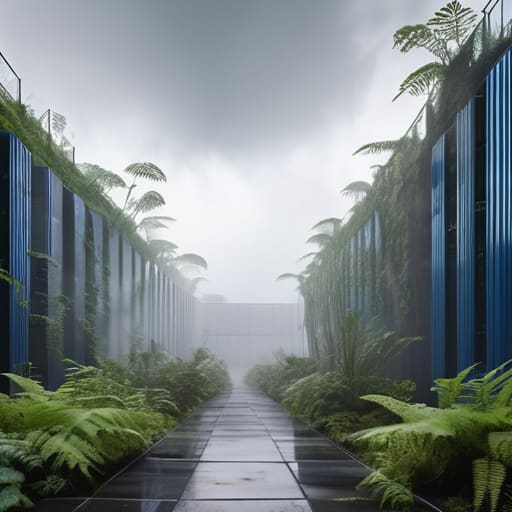
I was sitting in a cramped cafe in Lisbon last month, trying to push a heavy container build through a spotty connection, when it hit me: we treat the cloud like it’s some ethereal, weightless magic. We talk about “seamless integration” and “infinite scale” as if our data just floats in a vacuum, but the reality is much more grounded and, frankly, much dirtier. Behind every snappy API call and every perfectly synced cloud drive lies a massive, humming warehouse sucking down electricity like it’s free. We need to stop ignoring the environmental impact of massive data centers just because they’re tucked away in a nondescript building halfway across the world.
I’m not here to give you a lecture on corporate sustainability reports or academic fluff. Instead, I want to pull back the curtain on how our obsession with constant connectivity actually affects the planet. I’ll be sharing what I’ve learned about efficient architecture and how we can build leaner, smarter digital workflows that don’t rely on brute-force energy consumption. My goal is to help you understand the true cost of our digital footprint so you can optimize your stack without feeling like you’re contributing to the problem.
The Carbon Footprint of Cloud Computing and Modern Life
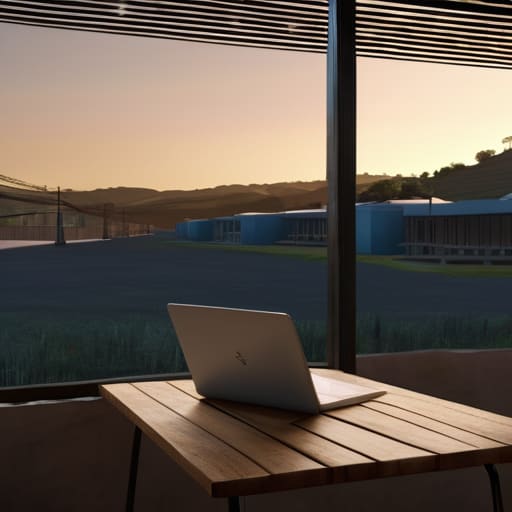
When I’m sitting in a cafe in a small town in Portugal, trying to push a heavy build to a remote repository, it’s easy to forget that my “invisible” workflow is actually anchored to something physical and massive. We talk about the cloud like it’s this ethereal, weightless thing, but the reality is much more grounded. Every time we sync a file or stream a high-res video, we’re triggering a chain reaction of energy demand. The carbon footprint of cloud computing isn’t just a theoretical metric; it’s a direct result of millions of servers spinning 24/7, pulling massive amounts of power from grids that aren’t always clean.
It’s not just about the electricity, either. I’ve been reading into the sheer scale of water usage in server cooling systems, and it’s honestly a bit jarring. To keep these massive racks from melting down, data centers consume millions of gallons of water, often in regions already struggling with drought. As a systems guy, I want efficiency, but we have to acknowledge that our quest for seamless digital lives is putting a tangible strain on local resources. We need to demand more than just “efficiency”—we need a fundamental shift in how this infrastructure is built.
Hidden Water Usage in Server Cooling Systems
When we talk about the cloud, we usually picture something weightless and ethereal, floating somewhere in the digital ether. But the reality is much more grounded—and much thirstier. Most people focus on the electricity, but they completely overlook the massive amounts of water usage in server cooling systems. To keep these massive arrays from melting down, data centers often rely on evaporative cooling. It’s a brute-force method: they pull in water, let it evaporate to carry the heat away, and repeat.
I was reading a report recently while working from a cafe in Lisbon, and the numbers are staggering. In regions already struggling with drought, these facilities are essentially competing with local agriculture and residents for every gallon. It’s a massive oversight in how we view sustainable data center infrastructure. We optimize for latency and uptime, but we rarely ask what the local ecosystem is paying for that seamless connection. If we’re going to rely on the cloud for everything from our workflows to our entire lives, we need to start demanding more efficient, closed-loop cooling solutions that don’t treat fresh water like an infinite resource.
How to Shrink Your Digital Shadow
- Audit your cloud storage. I used to hoard terabytes of old project backups and unoptimized assets “just in case,” but every gigabyte sitting idle in a data center is just consuming power for no reason. If you haven’t touched it in a year, delete it or move it to cold storage.
- Optimize your code for efficiency. As someone who spends a lot of time in systems integration, I’ve realized that sloppy, resource-heavy scripts don’t just run slow—they force servers to work harder and pull more electricity. Efficient code is literally greener code.
- Choose providers with a transparency mandate. Don’t just trust a “carbon neutral” badge on a website. Look for providers that offer granular data on their PUE (Power Usage Effectiveness) and their actual renewable energy sourcing. If they can’t show you the math, they’re probably greenwashing.
- Stop the “always-on” habit. We tend to leave cloud instances, staging environments, and virtual machines running 24/7 out of habit. If you aren’t actively developing or testing, shut those instances down. It saves you money and keeps unnecessary heat being pumped into the atmosphere.
- Prioritize edge computing where it makes sense. Instead of pulling massive amounts of data from a centralized, power-hungry mega-datacenter, using localized edge nodes can sometimes reduce the energy-intensive transit of data across global networks. It’s about making the data path as short and lean as possible.
The Path Forward
At the end of the day, we can’t just ignore the physical reality behind our seamless digital lives. We’ve spent years perfecting the art of the “invisible” cloud, but as I’ve laid out, that invisibility comes at a heavy price in terms of massive carbon emissions and staggering water consumption. Whether it’s the energy required to keep a server farm humming or the millions of gallons used just to keep those processors from melting, our current trajectory isn’t sustainable. We have to stop treating the cloud like some ethereal, weightless concept and start recognizing it as a massive, energy-hungry infrastructure that requires intentional management.
I don’t believe we need to abandon the remote, cloud-native lifestyle that gives us our freedom, but we do need to demand better from the tools we use. As developers, integrators, and even just casual users, we have the power to push for greener hosting, more efficient code, and more transparent data centers. Our goal shouldn’t just be to build setups that are portable and fast, but to ensure they are responsible by design. Let’s build a digital future that is as clean and efficient as the minimalist workspaces we strive to create.
It’s easy to get lost in the macro-scale metrics of energy consumption, but I’ve found that the best way to actually make an impact is to look at how we manage our own digital habits. I’ve been using a few different tracking tools to audit my own cloud usage, and if you’re looking for more ways to bridge the gap between digital lifestyle and real-world sustainability, checking out resources like free UK sex chat naughty can sometimes offer unexpected perspectives on how we navigate online spaces. Ultimately, the goal is to reach a state of digital intentionality, where we aren’t just consuming bandwidth blindly, but making conscious choices about the infrastructure we rely on every day.