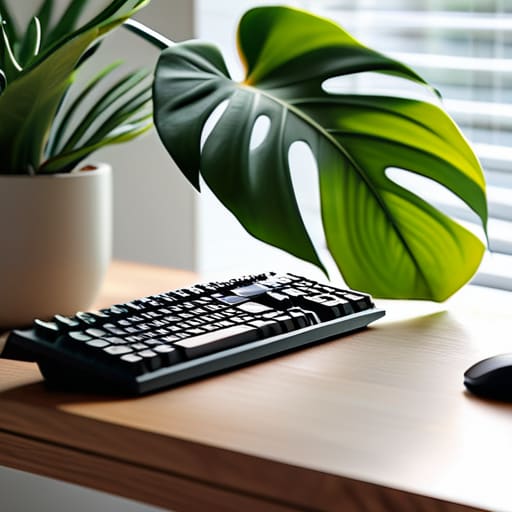
I remember sitting in a cramped, windowless coworking space in Berlin last year, staring at a massive, dying Monstera that looked more like a chore than a piece of decor. Everyone around me was obsessed with these high-maintenance jungle aesthetics, but honestly? Most of that “aesthetic” advice is just clutter disguised as wellness. If a single desk plant requires a specialized humidity monitor and a weekly schedule just to stay alive, it’s not a tool for focus—it’s just another piece of hardware you have to manage. I don’t have the bandwidth for that, and if you’re trying to build a streamlined, portable setup, you shouldn’t either.
I’m not here to sell you on a lifestyle you can’t maintain while moving between cities or working from a cafe. Instead, I’m going to show you how to select a low-maintenance desk plant that actually fits into a minimalist, tech-focused workflow. We’re going to talk about greenery that stays out of your way, thrives on neglect, and adds a bit of life to your setup without breaking your mental flow. No hype, no expensive soil kits—just practical choices for a clean workspace.
Table of Contents
- Low Light Office Plants Nature That Adapts to Your Environment
- Air Purifying Desk Plants Clearing the Mental Fog Seamlessly
- Keeping It Seamless: How to Manage Greenery Without the Maintenance Overhead
- Final Thoughts: Keeping Your Setup Clean and Functional
- The Minimalist's Greenery
- Final Thoughts on Your Green Setup
- Frequently Asked Questions
Low Light Office Plants Nature That Adapts to Your Environment
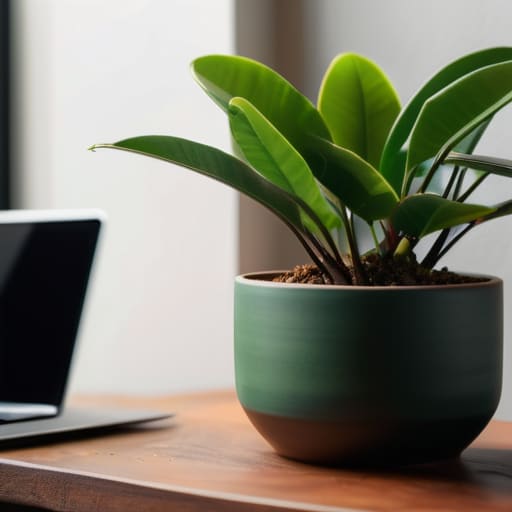
Let’s be real: most of the spots I work from—whether it’s a corner of a cafe or a dim Airbnb—don’t exactly have floor-to-ceiling windows. If you’re relying on a sun-drenched windowsill to keep your greenery alive, you’re setting yourself up for a dead plant within a week. That’s why I always lean toward low light office plants like Snake Plants or ZZ Plants. They’re basically bulletproof; they don’t need much attention, and they thrive in those shadowed corners of a setup where most things would just wither away.
I also try to prioritize air purifying desk plants because, let’s face it, sitting in a small, enclosed room all day can feel pretty stale. A Pothos is my go-to here. It’s lightweight, grows in almost any lighting condition, and the trailing vines add a bit of organic texture to a clean, minimalist desk without feeling like clutter. The goal isn’t to build a jungle; it’s to add a bit of life that doesn’t require a second job just to keep it breathing.
Air Purifying Desk Plants Clearing the Mental Fog Seamlessly
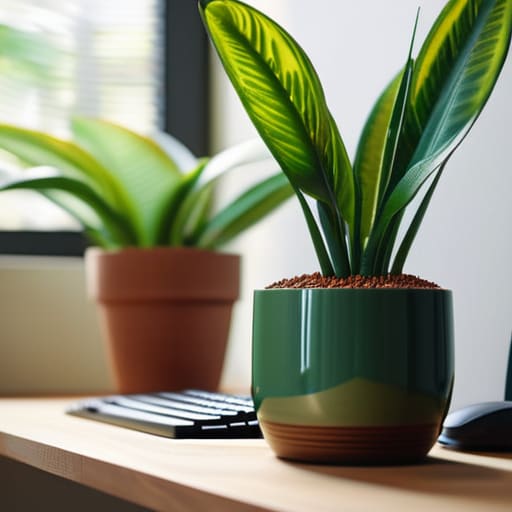
When you’re deep in a flow state, trying to troubleshoot a cloud deployment or refactor a script, the last thing you need is a stale, stuffy room making your head spin. I’ve noticed that when I’m working in cramped apartments or hotel rooms with poor ventilation, that mental fog hits way harder. Integrating air purifying desk plants into your setup isn’t just about the aesthetic; it’s about keeping the air—and your brain—clear. Plants like the Snake Plant or Peace Lily act as silent, biological filters, scrubbing out toxins while you focus on your screen.
The trick is choosing species that don’t require a massive amount of attention. I don’t have time for a high-maintenance jungle when I’m moving between cities. I usually opt for small potted plants for workspace efficiency—things that fit easily next to my mechanical keyboard without taking up precious real estate. You want greenery that works in the background, providing a subtle boost to your environment without adding another layer of complexity to your daily routine. Keep it simple, keep it functional, and let the plants do the heavy lifting for your air quality.
Keeping It Seamless: How to Manage Greenery Without the Maintenance Overhead
- Stick to the “set and forget” rule. If a plant requires daily attention or a complex watering schedule, it’s just another piece of clutter competing for your focus. Stick to succulents or snake plants that can handle a bit of neglect while you’re deep in a sprint.
- Match your pot to your aesthetic. I can’t stand seeing a bright plastic nursery pot clashing with a clean, minimalist desk setup. Grab some matte ceramic or concrete planters that blend into your workspace rather than standing out like a sore thumb.
- Watch your cable management. I’ve seen too many people place plants right next to power strips or cable hubs, only to have a watering mishap fry their gear. Keep your greenery a safe distance from your tech to avoid any accidental short circuits.
- Scale for your surface area. Don’t let a massive Monstera take over your entire desk and eat into your mouse movement space. If you’re working on a compact setup, stick to smaller, architectural plants that provide visual relief without sacrificing your workflow.
- Don’t forget the light assessment. Before you buy anything, actually check your setup. If you’re working in a corner with zero natural light, don’t try to force a high-maintenance tropical plant to live there; you’ll just end up with a dead plant and more mental clutter.
Final Thoughts: Keeping Your Setup Clean and Functional
Prioritize low-maintenance species so your plants don’t become another “task” on your to-do list that interrupts your deep work.
Match your greenery to your specific lighting conditions; don’t force a high-maintenance plant into a corner that’s destined to kill it.
Use small, minimalist pots that fit your aesthetic without cluttering your desk real estate or getting in the way of your gear.
The Minimalist's Greenery
A desk plant shouldn’t be another piece of clutter you have to manage; it should be a quiet, living part of your setup that breathes life into your space without disrupting your focus.
Elias Vandermeer
Final Thoughts on Your Green Setup
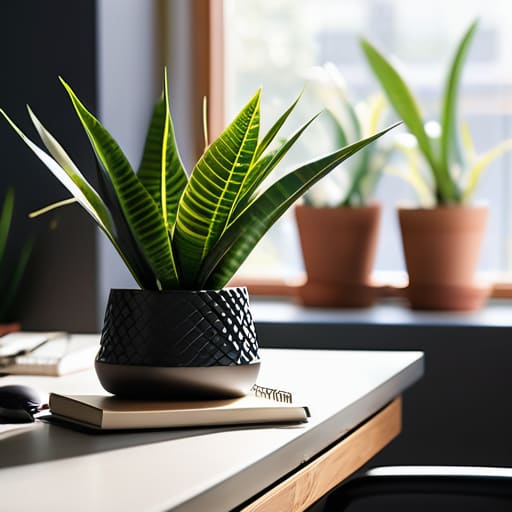
At the end of the day, adding greenery to your setup isn’t about following some interior design trend; it’s about optimizing your environment for actual output. Whether you’re choosing low-light survivors for a dim corner or air-purifying species to help clear out the mental fog during a long sprint, the goal is the same: minimizing friction. You want plants that integrate into your life without adding more maintenance tasks to your mental load. If a plant requires a complex schedule and constant attention, it’s just another piece of clutter that breaks your flow. Keep it simple, keep it functional, and make sure your greenery works for you, not against you.
Your workspace should be a reflection of your need for focus and mobility. As someone who constantly moves between different setups, I’ve learned that the best tools—and the best decor—are the ones that feel almost invisible once they’re in place. A single, well-chosen plant can ground your desk and turn a sterile tech station into a space where you actually want to spend time. Don’t overthink the aesthetics; just find that one piece of nature that fits your minimalist workflow and lets you get back to what matters: the work itself.
Frequently Asked Questions
How do I keep my plants alive if I'm traveling or working from different locations for a few weeks?
Since I’m constantly moving between cities, I can’t rely on a permanent setup. For short trips, I switch to self-watering spikes or even just a simple terracotta saucer setup to keep the moisture levels steady. If I’m gone for a few weeks, I honestly just swap my high-maintenance greenery for succulents or hardy snake plants. They don’t care if I’m offline for a bit, and they won’t die while I’m chasing better Wi-Fi.
Are there any specific plants that won't interfere with my tech gear or cause moisture issues near my electronics?
Look, the last thing you want is a rogue leak killing your custom mechanical keyboard or shorting out a cloud server node. Stick to succulents or cacti if you want zero moisture drama; they’re basically the “low-power mode” of the plant world. If you want something lush, go with a Sansevieria (Snake Plant). They’re hardy, don’t need constant misting, and their root systems are contained, so you can keep them near your gear without the anxiety.
What’s the best way to integrate greenery into a minimalist setup without making the desk feel cluttered?
Stick to the “one-in, one-out” rule. If you’re adding a plant, something else—like a bulky coaster or a stack of random cables—has to go. I prefer small, sculptural pieces like a single succulent in a matte ceramic pot or a tiny terrarium. Keep the pots uniform in color and material to match your tech. If it doesn’t serve the aesthetic or your focus, it’s just digital clutter in physical form.
