I was sitting in this tiny cafe in Porto last month, trying to push through a complex cloud migration script, when the afternoon sun hit my screen at just the wrong angle. It wasn’t just a minor annoyance; it was a full-on blinding reflection that made it impossible to see my terminal. I’ve seen people waste hundreds of dollars on these “specialized” anti-glare glasses or massive, clunky desk lamps that do nothing but take up space. Honestly, most of the advice you find online regarding monitor glare reduction is just marketing fluff designed to sell you hardware you don’t actually need.
I’m not here to sell you a lifestyle or a piece of overpriced gear. Instead, I want to show you how to actually reclaim your focus by making your environment work for you. I’m going to break down the practical, low-cost ways to handle lighting and positioning so your tools stay invisible. We’re going to focus on seamless integration—adjusting your setup so you can stop squinting at your screen and get back into your flow, no matter where in the world you’re working from.
Table of Contents
The Invisible Barrier Mastering Ambient Light Management
The biggest mistake I see people make is treating their monitor like a static object that doesn’t care about the room around it. If you’re sitting in a cafe with a massive window behind you or a bright overhead light hitting your screen at a weird angle, you’re fighting a losing battle. Effective ambient light management isn’t just about dimming the lights; it’s about controlling how light interacts with your workspace. I’ve learned that if I can’t control the environment, I have to control the surface.
This is where the debate between matte vs glossy monitor finish actually matters for your productivity. A glossy screen looks sharp for a second, but once that sunlight hits it, you’re just staring at a mirror instead of your code or your docs. I personally lean toward matte finishes because they diffuse light, making it much easier to maintain focus. It’s a small tweak, but when you’re trying to stay in a deep work state, eliminating those sudden flashes of light is the difference between a productive afternoon and a massive headache.
Matte vs Glossy Monitor Finish Choosing Seamless Clarity
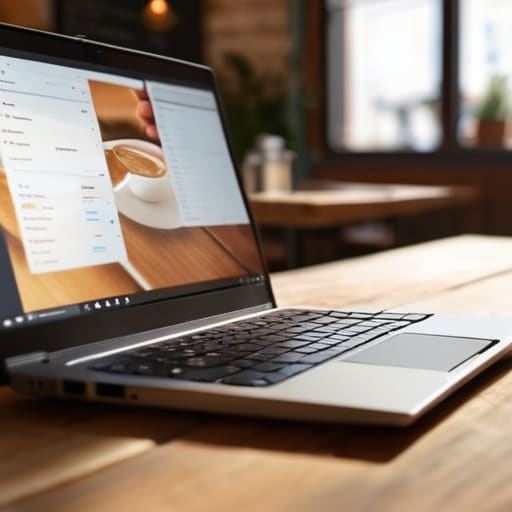
When you’re staring at a screen for eight hours straight, the debate between matte vs glossy monitor finish isn’t just about aesthetics—it’s about whether you’ll have a headache by noon. I used to lean toward glossy displays because the colors looked punchy and vibrant, perfect for that high-end tech feel. But once I started working out of cafes and Airbnbs with unpredictable lighting, those beautiful colors became a liability. Every window in the room turned my screen into a mirror, forcing me to constantly shift my seating position just to see my code.
If you prioritize a clean, high-contrast look and control your environment perfectly, glossy is great. But for my lifestyle, matte finishes are non-negotiable. They utilize anti-reflective screen technology to diffuse incoming light rather than bouncing it directly into your retinas. It might slightly soften the sharpness, but the trade-off is a much more stable experience. By choosing a matte coating, you’re essentially reducing digital eye strain before it even starts, allowing you to stay in that deep-work flow without fighting your own hardware.
Quick Fixes for a Distraction-Free View
- Position your desk so windows are to your side, not directly in front or behind you. If the sun is hitting your screen head-on or bouncing off the back of it, you’re fighting a losing battle against light.
- Ditch the overhead lights if they’re causing hotspots. I’ve found that a single, well-placed bias light behind the monitor provides enough ambient glow to reduce eye strain without creating any annoying reflections on the panel.
- Invest in a high-quality monitor hood if you’re working in high-glare environments like cafes or bright studios. It’s a bit of a niche tool, but it creates a controlled micro-environment that keeps the light where it belongs—away from your eyes.
- Stop working in total darkness. It sounds counterintuitive, but the massive contrast between a bright screen and a pitch-black room forces your pupils to constantly adjust, which is a fast track to a headache. Keep some low-level, indirect light in the room.
- Check your screen’s brightness levels against the room’s ambient light. If your screen is significantly brighter or dimmer than your surroundings, the glare will feel ten times more aggressive. Aim for a balance where the screen feels like a natural extension of the room.
Cut the Noise: My Three Non-Negotiables for a Glare-Free Setup
Stop trying to outwork your environment; if your lighting is fighting your screen, you’ve already lost the battle for focus.
Don’t get caught in the matte vs. glossy debate without a plan—choose your finish based on where you actually work, not just what looks better in a tech showcase.
Prioritize mobility in your lighting solutions so you can maintain a seamless workflow whether you’re in a sun-drenched cafe or a dimly lit hostel.
## The Flow State Killer
“If I’m constantly squinting or adjusting my position just to dodge a reflection, I’m not actually working—I’m just fighting my environment. A good setup should be invisible; if you’re noticing the glare, the tools are failing you.”
Elias Vandermeer
The Final Setup Check
At the end of the day, managing glare isn’t about buying the most expensive gear; it’s about intentionality. Whether you’re adjusting your desk position to dodge a window, switching to a matte finish, or finally getting a handle on your ambient lighting, every small tweak removes a layer of friction. I’ve learned through plenty of failed setups in crowded cafes and bright Airbnb living rooms that if you’re constantly squinting or fighting reflections, you aren’t actually working—you’re just managing a distraction. The goal is to make the hardware disappear so that your focus stays exactly where it belongs: on the task at hand.
Don’t let a poorly lit corner or a reflective screen dictate your productivity. Your workspace should be a tool that empowers you, not a hurdle you have to jump over every time the sun shifts. Invest the time now to optimize your environment, and you’ll find that your flow state becomes much easier to enter and, more importantly, much easier to maintain. Build a setup that moves with you and adapts to your reality. Once you stop fighting your equipment, you’ll finally be free to do the work that actually matters.
Frequently Asked Questions
Are anti-glare screen protectors actually worth the money, or do they just make everything look blurry?
Look, I’ve tried both. If you go for the cheap, plastic film stuff, yeah, it’s going to turn your high-res display into a blurry mess. It’s frustrating and kills your focus. But if you invest in a high-quality, etched glass protector, the trade-off is worth it. It kills the reflections without sacrificing much sharpness. If you’re working from a cafe with a window behind you, it’s a lifesaver, not a compromise.
Can I fix a glare problem just by changing my desk position, or do I need to invest in new gear?
Honestly, start with the desk position before you drop any cash on new gear. If you can move your setup so the light source—whether it’s a window or a lamp—is hitting you from the side rather than directly behind you or reflecting off the screen, you’ve already won half the battle. It’s the most efficient, zero-cost fix. But if you’ve optimized your layout and you’re still fighting reflections, then it’s time to look at matte finishes or better lighting.
How do I balance reducing glare without killing the color accuracy I need for my work?
This is the classic trade-off. If you go full matte, you lose that punchy color depth; if you stay glossy, you’re staring at your own reflection. My move? Don’t rely on the panel finish alone. Focus on controlling the light hitting the screen. Use a high-quality monitor hood or just reposition your desk so windows aren’t hitting the glass directly. It keeps the colors sharp while killing the distracting reflections that break your flow.