I was sitting in a cramped cafe in Lisbon last month, staring at a literal bird’s nest of wires because I’d tried to lug my entire desktop setup through three different train stations. I had my laptop, an external monitor, a mechanical keyboard, and a mouse, all fighting for space and power through a mess of cheap adapters. It was the exact opposite of the seamless workflow I preach about. Most people think a docking station is just another expensive piece of plastic cluttering up a desk, but when you’re actually living out of a backpack, it’s the difference between a functional mobile office and a total mental breakdown.
I’m not here to sell you on the most overpriced, flashy hardware that promises the moon but fails on a basic USB-C handshake. Instead, I’m going to show you how to pick a setup that actually disappears into your workflow. I’ll break down what matters—stability, port density, and power delivery—so you can build a kit that works as hard as you do without tethering you to a single desk.
Table of Contents
- Thunderbolt 4 Docking Station Benefits for a Borderless Life
- Seamless Peripheral Connectivity Solutions That Just Work
- Five Ways to Make Your Docking Station Actually Work for You
- The Bottom Line: Building a Setup That Moves With You
- The Philosophy of a Clean Setup
- The Invisible Backbone of Your Setup
- Frequently Asked Questions
Thunderbolt 4 Docking Station Benefits for a Borderless Life
If you’re moving between cafes or temporary apartments like I am, you don’t have time to fiddle with a dozen different dongles every time you sit down. This is where the thunderbolt 4 docking station benefits actually become apparent. Unlike standard USB-C hubs that might choke when you try to push too much data, Thunderbolt 4 provides the massive bandwidth needed to run high-resolution displays and high-speed storage simultaneously without a hiccup. It’s about creating a frictionless transition from being a traveler to being a pro the second you plug in that single cable.
For my specific workflow, I need more than just a way to charge my laptop; I need a way to turn a tiny screen into a full-scale command center. A high-quality power delivery docking station ensures my machine stays topped up even while I’m pushing heavy cloud-based workloads, so I never have to hunt for a wall outlet mid-task. When you combine that stability with a reliable dual monitor setup, you’re essentially carrying a high-end desktop workstation in your backpack. It’s the closest thing to having a permanent office while remaining completely untethered.
Seamless Peripheral Connectivity Solutions That Just Work
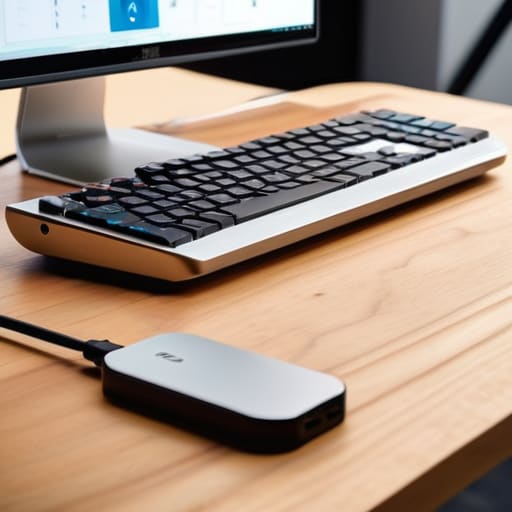
When I’m setting up in a new Airbnb or a cramped co-working space, the last thing I want to do is hunt for every single port. I need my external drive, my mechanical keyboard, and my mouse to connect instantly without a scavenger hunt. This is where high-quality peripheral connectivity solutions become a necessity rather than a luxury. If you’re trying to replicate a professional environment on the fly, you can’t be tethered to a mess of individual dongles.
For those of us pushing more than just a single screen, a reliable dual monitor setup with USB-C is the gold standard for maintaining a flow state. I’ve found that if the connection isn’t stable, the friction ruins my focus entirely. You want a hub that handles the data bandwidth of your peripherals while simultaneously keeping your laptop topped up. A solid power delivery docking station ensures that even when I’m running heavy integration scripts, my battery isn’t the bottleneck. It’s about creating a system where the hardware stays out of your way so you can actually stay in the zone.
Five Ways to Make Your Docking Station Actually Work for You
- Don’t get blinded by port counts; prioritize power delivery. If your dock can’t juice up your laptop while simultaneously running your monitors, it’s just an expensive paperweight taking up space in your bag.
- Test your bandwidth before you buy. I’ve learned the hard way that a cheap USB-C hub will choke your dual-monitor setup the second you try to run a high-res stream. Make sure the specs actually match your hardware.
- Keep it portable by choosing a single-cable solution. If you’re constantly hunting for a separate power brick for the dock itself, you’ve already lost the battle for a streamlined setup.
- Cable management isn’t just for aesthetics; it’s for sanity. Use short, high-quality cables to connect your peripherals to the dock so you aren’t fighting a nest of wires every time you move from a cafe to a temporary desk.
- Check the thermal performance. Some of these compact docks get incredibly hot when they’re under load. If it’s burning to the touch, it’s going to throttle your connection and kill your workflow.
The Bottom Line: Building a Setup That Moves With You
Prioritize Thunderbolt 4; if you’re going to invest in a dock, make sure it has the bandwidth to handle your entire workflow without becoming a bottleneck.
Aim for invisibility. A docking station isn’t a centerpiece; it’s a tool that should facilitate a clean, cable-managed desk so you can actually focus on the code or the project.
Don’t trap yourself. Your connectivity should be portable and cloud-ready, ensuring your transition from a home setup to a temporary workspace is seamless and painless.
The Philosophy of a Clean Setup
A docking station isn’t just another piece of gear cluttering your desk; it’s the bridge that lets you transition from a mobile setup to a powerhouse workstation in seconds, without the friction of hunting for cables every single time.
Elias Vandermeer
The Invisible Backbone of Your Setup
At the end of the day, choosing a docking station isn’t about collecting more hardware or chasing every single port on a spec sheet. It’s about finding that specific piece of tech that actually disappears once it’s plugged in. Whether you’re leaning into the raw speed of Thunderbolt 4 to drive multiple high-res displays or just need a reliable way to connect your mechanical keyboard and external drives without a mess of wires, the goal remains the same: zero friction. You want a setup that bridges the gap between your mobile life and a high-performance workstation, ensuring that your tools are ready to perform the second you sit down, no matter what city you’re currently calling home.
Don’t let a clunky, stationary mindset limit where you can actually be productive. Your gear should be an extension of your workflow, not a barrier to it. Invest in the kind of connectivity that supports a truly borderless existence, allowing you to transition from a cramped cafe corner to a clean, minimalist home office without missing a beat. Build a setup that adapts to you, keeps your focus sharp, and lets you get back to the work that actually matters. Stop managing your cables and start managing your output.
Frequently Asked Questions
How do I know if my current laptop's ports can actually handle the bandwidth of a high-end Thunderbolt 4 dock?
Check your laptop’s spec sheet for “Thunderbolt 4” or “USB4” explicitly. If you only see “USB-C,” you might be in trouble. A standard USB-C port lacks the massive data lanes needed to drive multiple 4K monitors and high-speed drives simultaneously through a single cable. If your hardware doesn’t support Thunderbolt, that expensive dock will likely bottleneck, turning your high-end setup into a glorified, slow-motion USB hub. Don’t guess; verify the protocol first.
Is it worth investing in a powered docking station if I'm mostly working from coffee shops or temporary rentals?
Honestly? If you’re constantly bouncing between cafes and Airbnbs, a heavy, brick-sized powered dock is just extra weight in your bag. I’d skip it. Instead, invest in a high-quality, bus-powered USB-C hub that pulls juice directly from your laptop. It’s lighter, fits in a tech pouch, and doesn’t require hunting for a specific outlet just to power your peripherals. Keep your setup lean; portability is your real priority when you’re mobile.
What’s the best way to keep my desk clutter-free when I'm constantly swapping between my mobile setup and my main workstation?
The key is a single-cable workflow. If you’re constantly plugging and unplugging five different things, you’ve already lost the battle. I swear by a high-bandwidth Thunderbolt dock tucked away under my desk. I run everything—monitors, my mechanical keyboard, even my external SSD—through that one hub. When I need to head out, I just unplug one cable from my laptop and I’m gone. It keeps the desk clean and my transition seamless.