I was sitting in a tiny, overpriced cafe in Lisbon last month, staring at a massive, sprawling espresso bar that looked more like a laboratory than a place to get a quick caffeine fix. It was a total mess of tangled cords, heavy grinders, and unnecessary gear that took the barista ten minutes just to prep a single pour-over. It reminded me of why I hate bloated systems: if your coffee station is a cluttered, stationary obstacle course, it’s not an asset—it’s friction. You shouldn’t need a manual and a dedicated power grid just to fuel your morning deep-work session.
I’m not here to sell you on some aesthetic, Pinterest-perfect setup that looks great in a photo but fails the moment you actually need to work. Instead, I’m going to show you how to build a setup that actually scales with your life. We’re talking about minimalist, high-efficiency configurations that prioritize speed and seamlessness over sheer bulk. I’ll share the exact gear I use to keep my caffeine workflow as mobile and cloud-ready as my digital one, ensuring your ritual stays out of the way of your actual productivity.
Table of Contents
Optimizing Your Home Barista Setup for Flow
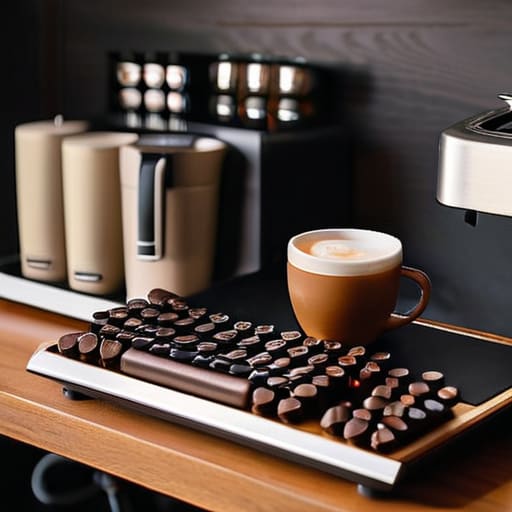
If you’re anything like me, your flow is fragile. You’re deep in a terminal session, the lo-fi is hitting just right, and then you realize you’re out of beans or your grinder is buried under a pile of cables. That’s where a disorganized home barista setup kills your momentum. I treat my coffee nook like my desk: everything needs a dedicated, logical place. If I have to hunt for my scale or a clean microfiber cloth, I’ve already lost the mental headspace required to get back into the zone.
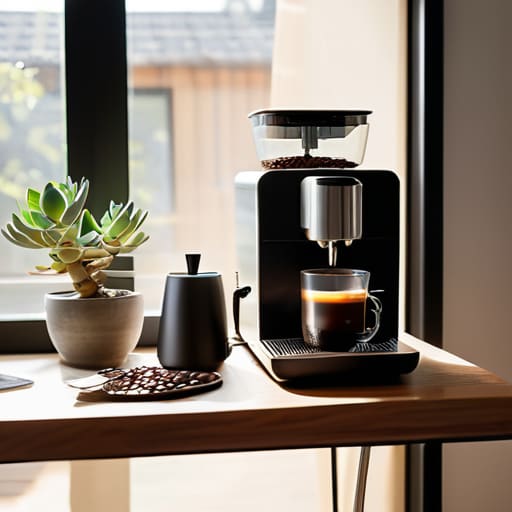
The goal is to treat your coffee brewing essentials as an extension of your workstation. I keep my setup minimal—just the machine, a high-quality grinder, and a small tray for my espresso machine accessories. Avoid the clutter of too many knick-knacks; instead, focus on functional ergonomics. If you’re working in a tight apartment, a small space coffee bar tucked into a corner works best. You want a setup that feels integrated into your environment, not a distracting obstacle course that interrupts your focus every time you need a caffeine reset.
Small Space Coffee Bar Solutions That Move With You
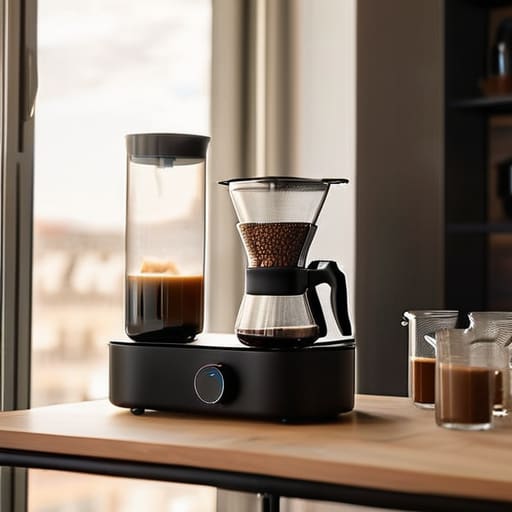
Since I’m constantly shifting between rentals and temporary hubs, I’ve learned that a massive, dedicated kitchen counter is a luxury I can’t rely on. Instead, I lean into a small space coffee bar concept that prioritizes verticality and modularity. I usually opt for a tiered rolling cart or a slim shelving unit that can be tucked into a corner. This keeps my coffee brewing essentials—like my grinder and scale—contained in one footprint without cluttering my primary workspace.
The real trick to making this work is smart coffee nook organization. I avoid bulky organizers and instead use magnetic strips or small, stackable containers for my espresso machine accessories. This keeps everything visible but contained. If I move to a new city next month, I don’t want to be packing a heavy wooden sideboard; I want to be able to grab a few lightweight bins and a compact tray. Your setup should feel like a modular extension of your toolkit, not a piece of heavy furniture that anchors you to one zip code.
Low-Friction Fuel: My Rules for a High-Performance Coffee Station
- Prioritize manual brewing over automated machines. An espresso machine is a heavy, stationary anchor; a pour-over setup or an AeroPress takes up zero desk real estate and works perfectly even if you’re working from a temporary rental.
- Keep your consumables in a single, modular kit. Don’t hunt through kitchen cabinets for filters or beans when you’re mid-deep-work session. If it’s not in the dedicated station kit, it doesn’t exist.
- Optimize for “Zero-Cleanup” workflows. If your coffee routine takes twenty minutes of scrubbing and drying, you’ve killed your momentum. Stick to tools that are easy to rinse and quick to reset.
- Integrate your tech and your caffeine. I keep my temperature-controlled mug right next to my hub so I’m not constantly getting up and breaking my focus just because my drink went cold during a long deployment.
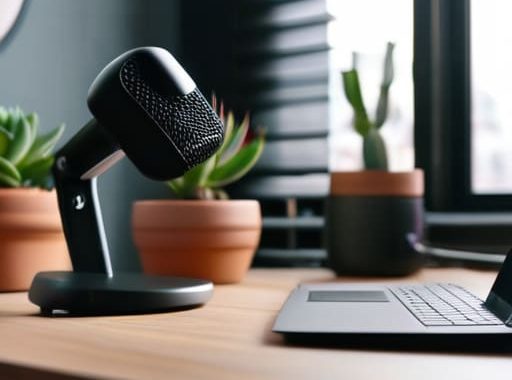
- Think about the acoustics of your setup. If you’re using a grinder, don’t put it right next to your mic or your headphones. A loud, jarring grind can instantly shatter the lo-fi headspace I need to actually get stuff done.
The Bottom Line: Coffee Without the Friction
Stop treating your coffee station like a destination; design it to be a seamless extension of your workspace so you don’t break your deep-work flow just to get a caffeine fix.
Prioritize modularity and portability—if your setup is too heavy or too static to move when you change your environment, it’s creating more clutter than value.
Invest in tools that minimize setup time; your goal is a high-quality brew that integrates into your digital workflow, not a complex ritual that eats into your billable hours.
The Workflow Connection
“A coffee station shouldn’t be a destination that pulls you away from your desk; it should be a seamless extension of your setup that fuels your focus without breaking your momentum.”
Elias Vandermeer
Final Thoughts on the Mobile Brew
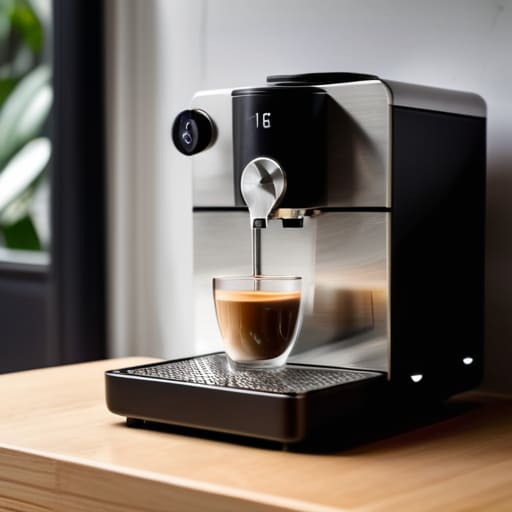
At the end of the day, building a coffee station isn’t about having the most expensive espresso machine or a massive countertop dedicated to caffeine. It’s about removing the friction between you and your focus. Whether you’re optimizing a dedicated corner of your apartment for maximum flow or hacking together a compact, portable setup that survives a move between Airbnbs, the goal remains the same: seamless integration. If your gear is too clunky to move or your workflow is interrupted by a messy, disorganized station, it’s just another piece of technical debt slowing you down. Keep it minimal, keep it functional, and ensure your tools are as agile as your digital workspace.
Don’t get caught up in the gear acquisition syndrome. You don’t need a showroom-ready setup to be a high-level professional; you just need a reliable way to fuel your deep work sessions without breaking your concentration. Your environment should serve your lifestyle, not dictate it. As you refine your setup, remember that the best tools are the ones you stop noticing because they just work. Build a ritual that supports your mobility and your mindset, and you’ll find that true productivity starts long before you even open your laptop.
Frequently Asked Questions
How do I keep my coffee gear from becoming a messy cable nightmare on a small desk?
Cable management is non-negotiable. If your grinder and kettle are turning your desk into a spaghetti mess, you’re losing focus. I swear by braided cable sleeves to bundle everything into a single, clean line. For a small setup, I use a weighted cable holder to keep my charger and kettle cord from sliding behind the desk every time I move. Keep it minimal, keep it tucked, and don’t let the clutter break your flow.
What are the best portable espresso or brewing tools that won't die when I'm working from a cafe or a rental?
If you’re working out of a cafe or a rental, you can’t rely on whatever mediocre machine they have. I usually pack a Nanopresso or an AeroPress; they’re indestructible and don’t require a massive power draw. For my grinder, I stick to a high-end manual hand grinder like a Comandante. It’s a bit of a workout, sure, but it’s silent, takes up zero desk real estate, and ensures my caffeine hit is consistent regardless of where I’m logging in.
How can I integrate my coffee routine into my deep work sessions without it becoming a constant distraction?
The trick is to treat your coffee prep like a pre-flight checklist, not a snack break. If you’re constantly running to the kitchen mid-sprint, you’ve already lost your flow. I set up a minimal, high-efficiency station right within arm’s reach of my desk. By automating the friction—having my beans pre-measured and my gear ready—the ritual becomes a seamless transition into deep work rather than a series of micro-distractions that break my focus.