I was sitting in a cramped cafe in Lisbon last month, staring at a spinning loading icon while trying to merge three different versions of a project spec. The Wi-Fi was spotty, my lo-fi playlist was glitching, and I was stuck in that familiar, soul-crushing loop of “Final_v2_REAL_final.docx” email chains. It’s honestly ridiculous that in an era of seamless cloud integration, we’re still treating collaborative document editing like a high-stakes game of digital hot potato. Most “enterprise solutions” out there are just bloated, expensive wrappers designed to keep you tethered to a desktop, rather than actually helping you flow.
I’m not here to sell you on some shiny, overhyped software suite that requires a PhD to navigate. Instead, I want to show you how to build a setup that actually works when you’re moving between time zones and mediocre hotspots. I’ll be breaking down the tools that stay out of your way, focusing on low-latency, cloud-first workflows that let you focus on the work rather than the friction. If you’re tired of fighting your tools and just want to get things done, let’s dive in.
Table of Contents
Mastering Seamless Document Co Authoring Workflows
The real headache isn’t just having multiple people in a file; it’s the friction that happens when everyone is trying to move in different directions. If you’re still relying on “v2_final_FINAL” file naming conventions, you’re already losing. To actually scale, you need to lean into synchronous editing tools that handle the heavy lifting for you. I’ve found that the best workflows are the ones where the tech stays out of the way, allowing the team to focus on the logic of the document rather than the mechanics of how to save it.
The trick to mastering these document co-authoring workflows is knowing when to be live and when to step back. Sometimes, you need real-time presence to brainstorm, but most of the time, you need robust asynchronous communication in docs to avoid constant pings. I always look for platforms that handle conflict resolution in shared files silently in the background. If I have to manually merge changes or fix a broken paragraph because two people typed in the same spot, the tool has already failed me. You want a setup that feels like a single, fluid brain, not a digital tug-of-war.
The Power of Cloud Based Document Management
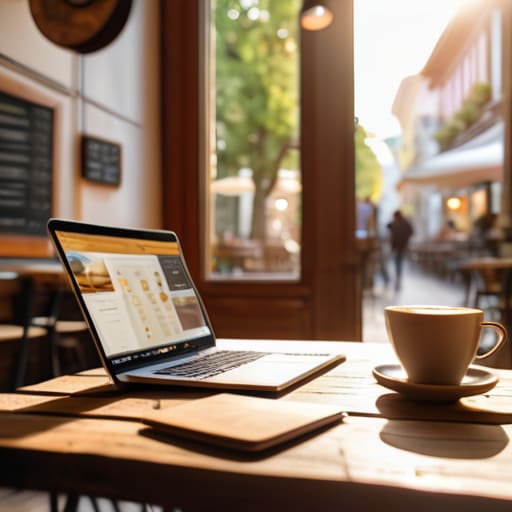
The real advantage of cloud-based document management isn’t just about avoiding a “final_v2_FINAL.docx” naming nightmare; it’s about removing the friction between an idea and its execution. When I’m working from a cafe in a city I can barely pronounce, I can’t afford to be tethered to a local drive or a clunky VPN just to see what my team updated overnight. You need a system where the file lives in the ether, accessible from any machine, provided the Wi-Fi isn’t completely trashed.
Moving everything to the cloud transforms how we handle asynchronous communication in docs. Instead of waiting for a ping on Slack to tell you a draft is ready, you can jump into the file, see the progress, and leave contextual comments exactly where they matter. This shift allows for a much more fluid rhythm; you aren’t just passing files back and forth like a hot potato, you’re building something together in real-time. It turns a static document into a living workspace that actually keeps up with a mobile lifestyle.
Five ways to stop fighting your files and start actually working
- Ditch the “Final_v2_REAL_final.docx” naming nightmare; if you aren’t using a single source of truth in a live cloud environment, you’re just wasting mental bandwidth on version control.
- Treat your notification settings like your cable management—keep them clean. Mute every non-essential ping so you don’t lose your flow every time a teammate leaves a minor comment.
- Use the “comment thread” for the messy stuff. Don’t clutter the actual document body with debates; keep the discussion in the sidebar so the core content stays readable and focused.
- Master the art of the asynchronous check-in. Since I’m rarely in the same time zone as my clients, I rely on clear, tagged @mentions rather than expecting someone to be sitting at their desk waiting for me.
- Always check your mobile accessibility. If you’re jumping from your desk to a cafe, make sure the tools you’re using don’t break or become unusable the second you switch from a mechanical keyboard to a laptop trackpad.
The bottom line: Work where you want, not where you’re tethered
Stop treating version control like a chore; if your tools aren’t handling real-time syncing automatically, they’re actively stealing your focus.
Build your workflow around the cloud, not the hardware—if your setup can’t survive a move to a new city or a spotty coffee shop connection, it’s too fragile.
Prioritize seamless integration over feature bloat; the best tools are the ones that stay out of your way so you can actually stay in the zone.
## The friction of the old way
“If you’re still emailing ‘Final_v2_EDITED’ files back and forth, you aren’t collaborating; you’re just managing a digital graveyard. Real work happens when the tool disappears and the document becomes a living, breathing space that everyone can touch at once.”
Elias Vandermeer
The Bottom Line
At the end of the day, mastering collaborative editing isn’t about chasing every new feature in a software suite; it’s about removing the friction between your brain and the screen. We’ve covered how to build workflows that actually make sense, moving away from the nightmare of “Final_Version_v2_EDITED.docx” and toward a single, living source of truth in the cloud. When you nail your document management and co-authoring processes, you stop managing files and start actually doing the work. It’s about making your tools invisible and seamless so that the technology serves your focus rather than breaking it.
My philosophy hasn’t changed since I left the cubicle life behind: your setup should adapt to you, not the other way around. Whether you’re sitting in a quiet corner of a cafe or working from a temporary desk in a new city, your ability to collaborate shouldn’t be tethered to a specific location or a clunky local server. Stop letting outdated, static processes hold your productivity hostage. Build a digital environment that is portable, cloud-first, and built for movement. That is how you reclaim your time and, more importantly, your freedom to create from anywhere in the world.
Frequently Asked Questions
How do I prevent people from accidentally overwriting my work when we're all editing the same file at once?
Honestly, the “last save wins” era needs to stay in the past. If you’re still losing work to accidental overwrites, you aren’t using a true real-time engine. Stick to tools that support granular version history and live presence indicators—those little colored cursors that show exactly where everyone is sitting. If a tool doesn’t let you roll back to a specific timestamp without breaking the whole flow, it’s not a professional setup; it’s a liability.
Is there a way to keep a collaborative setup secure without it becoming a massive headache for my workflow?
Look, I get it. Security usually feels like a wall between you and your actual work. But you don’t need to lock yourself in a digital vault to stay safe. Focus on identity, not just passwords. Use hardware security keys and strict MFA—it’s a minor friction point that pays off massively. If you keep your access centered on verified identities and use granular permissions, you can stay secure without turning your workflow into a nightmare.
What happens to my progress if I'm working on a spotty cafe Wi-Fi connection and the sync fails?
This is exactly why I test my setups on mediocre connections before I commit to a long session. Most modern cloud tools use local caching, meaning your changes are saved to your device’s temporary memory first. When the Wi-Fi blips, you keep typing; once you’re back online, the tool pushes those cached edits to the cloud. Just don’t rely on a browser tab that hasn’t refreshed in hours—always check your sync status icon before closing your laptop.