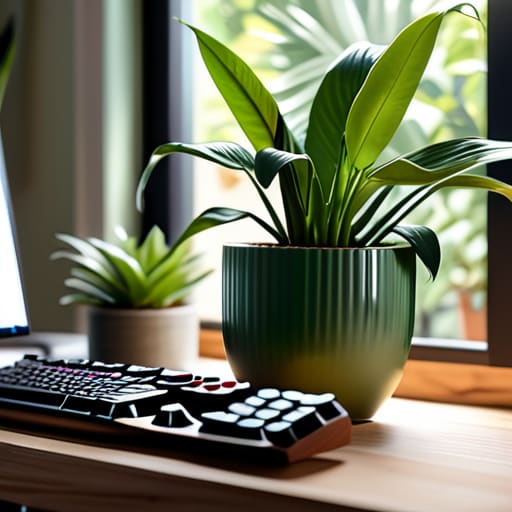
I’ve spent a lot of time living out of a backpack, moving between Airbnbs and co-working spaces, trying to make a temporary desk feel like a real home. One thing I realized early on is that staring at nothing but cold hardware and tangled cables for ten hours a day is a recipe for burnout. You need something organic to break up that digital sterile vibe, but most people overcomplicate it by buying high-maintenance greenery that dies the second you change your Wi-Fi password or move cities. Finding the best plants to decorate a computer workstation isn’t just about aesthetics; it’s about finding living tools that improve your focus without adding more chores to your plate.
In this post, I’m breaking down seven specific plants that actually fit a mobile, high-performance lifestyle. I’ve filtered these based on how much light they need, how much they tolerate being ignored, and—most importantly—how little desk real estate they occupy. By the end of this list, you’ll know exactly how to curate a setup that feels intentional and calm, ensuring your workspace supports your flow rather than distracting from it.
The Low-Maintenance Legend: Snake Plant
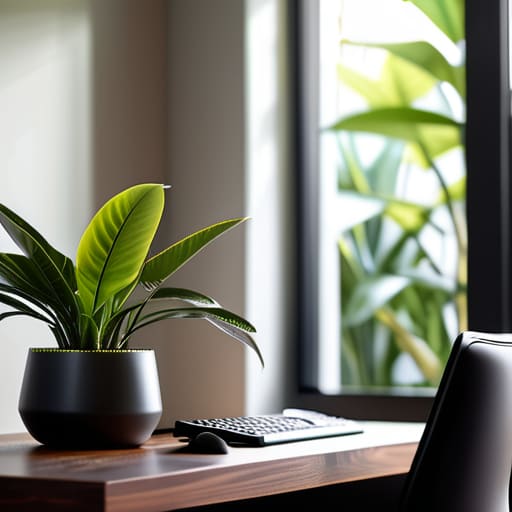
If you’re moving between Airbnbs or working out of a temporary studio, you don’t have time to baby a finicky fern. The Snake Plant is basically the indestructible hardware of the botanical world. It thrives on neglect, meaning you can go a few weeks without thinking about it while you’re deep in a deployment cycle, and it’ll still look sharp and structural.
The Air Purifying Essential: Pothos
When I’m stuck in a cramped workspace with questionable ventilation, I always want something that actually does some work. Pothos is a classic for a reason; it’s incredibly efficient at filtering out the stale air that builds up when you’ve been staring at a screen for ten hours straight. It’s a set-it-and-forget-it kind of plant that adds a nice organic flow to a rigid setup.
Minimalist Geometry: ZZ Plant
For those of us who obsess over clean lines and a clutter-free environment, the ZZ Plant is a total winner. Its leaves have a natural, waxy sheen that looks almost synthetic in its perfection, which meshes really well with high-end peripherals and matte-black desk setups. It doesn’t look messy; it looks intentional.
Texture and Depth: Calathea
If you feel like your setup is looking a bit too “sterile” or industrial, a Calathea can bridge that gap. The patterns on the leaves are almost like a natural fractal, providing a visual break from the grids and lines of your code or spreadsheets. It adds a much-needed sense of organic complexity to a highly organized desk.
The Desktop Succulent: Haworthia
Sometimes you just need something small that fits in the tiny gap between your keyboard and your laptop stand. Haworthia is my go-to for micro-scale greenery. They stay compact, they don’t require much water, and they have these amazing white striped patterns that look like they were designed by a UI artist.
Softening the Glow: Peace Lily
Blue light from monitors can be taxing on the eyes, and sometimes you need something that visually “cools down” the workspace. The Peace Lily provides a sense of calm with its deep green foliage and occasional white blooms. It’s great for creating a zen-like atmosphere when you’re dealing with a high-stress troubleshooting session.
The Rugged Climber: Monstera Deliciosa
If you have a dedicated corner in your workspace and want to make a statement, you can’t go wrong with a Monstera. The iconic “Swiss cheese” holes in the leaves give off a heavy mid-century modern vibe that looks incredible next to high-quality mechanical keyboards and wooden desk surfaces. It’s a statement piece that says you’ve actually curated your space.
Final Thoughts on Your Setup
At the end of the day, adding greenery to your desk isn’t just about making your setup look good for a desk tour video; it’s about creating a space that actually feels sustainable. Whether you went with a low-maintenance Snake Plant to handle your travel schedule or a Pothos to add some organic lines to your clean, minimalist aesthetic, the goal is the same: reducing friction. You want plants that don’t demand constant attention, allowing you to stay locked into your deep work sessions without worrying about a dying leaf distracting you from your terminal or your code.
Your workspace should be an extension of your lifestyle, not a source of extra maintenance or clutter. As I move between different cities and temporary setups, I’ve learned that the best tools—and the best decor—are the ones that integrate seamlessly into your workflow. Don’t get caught up in trying to build a jungle if it’s going to weigh your mobile lifestyle down. Just pick one or two resilient species, get them settled, and focus on what actually matters: building a life that works for you.
When you’re finally settling into a new space and trying to balance your focus with a little bit of downtime, it’s easy to let the lines between work and relaxation blur too much. I’ve found that having a way to decompress instantly without needing a massive, dedicated entertainment setup is key to keeping my mental overhead low. If you’re looking for a quick way to switch gears and find some connection while you’re traveling between cities, checking out an online sex chat can be a decent way to unplug from the technical grind and just engage with something entirely different for a while.