I was sitting in a cramped cafe in Lisbon last month, trying to push through a deployment, when a client’s call dropped in. It wasn’t a bad connection issue; it was the chaos. Between the flickering, unmuted background noise and the person staring blankly into a grainy webcam like they were watching a movie, the entire professional vibe evaporated. Most people think video conferencing etiquette means buying a $300 ring light or having a perfectly curated studio background, but that’s just expensive noise. Real etiquette isn’t about looking like a lifestyle influencer; it’s about removing the friction between you and the person on the other side of the screen.
I’m not here to give you a list of corporate platitudes that only work in a high-rise office. Instead, I’m going to share the practical, battle-tested rules I use to stay professional while jumping between coworking spaces and tiny Airbnbs. We’re going to focus on the invisible essentials—the stuff that keeps your tech seamless and your presence sharp without needing a permanent desk setup. My goal is to help you master the art of showing up effectively, no matter how mediocre your Wi-Fi happens to be today.
Table of Contents
Achieving Remote Work Professionalism Through Seamless Digital Decorum
Achieving Remote Work Professionalism Through Seamless Digital Decorum
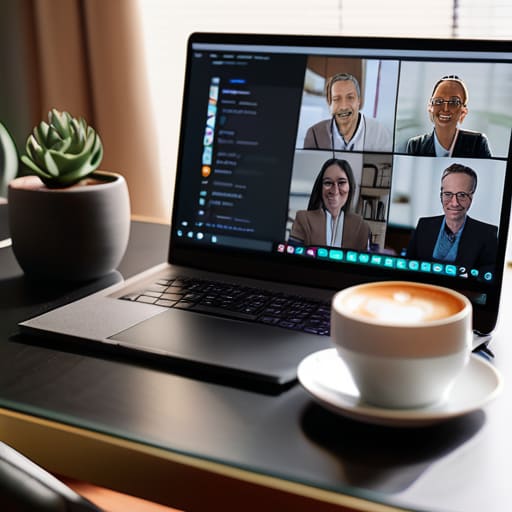
Being a digital nomad means my “office” changes every few weeks, but my standards don’t. To me, true remote work professionalism isn’t about having a mahogany desk; it’s about removing the friction between you and the person on the other side of the screen. If you’re constantly adjusting your camera or struggling with a laggy connection, you aren’t actually present. You need to treat your digital environment with the same respect you’d give a physical boardroom.
This starts with the small, technical details that most people overlook. For instance, minimizing background noise is non-negotiable. I never jump into a call without checking my audio levels or ensuring my lo-fi playlist isn’t bleeding into the mic. I also prioritize positioning myself so that natural light hits my face rather than coming from behind me—it’s a simple trick, but decent video call lighting tips can make a massive difference in how much authority you project. When you master these invisible layers of virtual meeting decorum, the tech fades into the background, and your actual expertise finally takes center stage.
Mastering Eye Contact in Virtual Meetings for True Connection
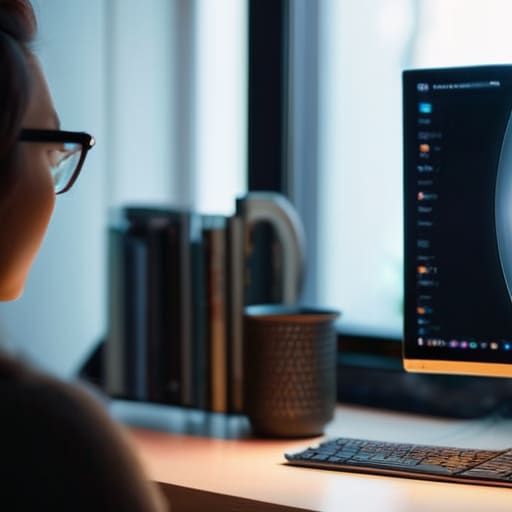
Here’s the thing about video calls: most people spend the entire time looking at the person’s face on their screen, which actually makes it look like you’re staring at their chest or chin. It feels unnatural, but if you want to nail eye contact in virtual meetings, you have to train yourself to look directly into that tiny camera lens. I know, it feels weird at first—almost like you’re staring into a void—but to the person on the other end, it’s the only way they feel like you’re actually present in the conversation.
If you find yourself constantly glancing down at your notes or your second monitor, you’re breaking that connection. I usually keep my most important prompts on a small window positioned right below my webcam to help maintain that line of sight. Mastering this subtle shift is a huge part of digital communication etiquette; it’s the difference between looking like you’re just checking your emails and looking like a professional who is fully engaged with the team.
Five Ways to Keep Your Meetings Frictionless
- Audit your background before you hop on. I don’t care if you’re working from a cafe in Lisbon or a cramped studio; if your background is a chaotic mess of cables and laundry, it’s a distraction. Keep it clean, minimal, or use a subtle blur so the focus stays on the conversation, not your clutter.
- Master your audio hygiene. There is nothing that kills my flow faster than someone with a hollow, echoing mic or constant background static. If you aren’t using a decent headset or a dedicated mic, at least make sure your noise cancellation is dialed in. Clear audio is non-negotiable for professional respect.
- Respect the bandwidth struggle. If you know you’re on a spotty connection, don’t try to push high-def video and screen sharing at the same time. Be proactive—turn off your camera if the lag gets bad. It’s better to have a stable audio feed than to be a frozen, pixelated ghost mid-sentence.
- Mute by default. This is basic digital decorum, but people still miss it. If you aren’t the one speaking, hit that mute button. I don’t want to hear your mechanical keyboard clicking away or the ambient noise of the city unless you’re intentionally sharing it. Keep the channel clear for the person talking.
- Own your lighting. Don’t be that person sitting in front of a bright window, looking like a dark silhouette in a witness protection program. Position your light source in front of you so people can actually see your expressions. If you can’t see them, they can’t connect with you.
The Bottom Line: Keep it Frictionless
Prioritize your tech stack; if your hardware or connection is clunky, it’s not just a distraction—it’s a barrier to actual work.
Focus on the small details, like eye contact and lighting, to bridge the gap between a digital screen and a real human connection.
Build a setup that moves with you, ensuring your professionalism remains consistent whether you’re in a dedicated studio or a cafe with spotty Wi-Fi.
## The Frictionless Connection
“Etiquette isn’t about following a rigid set of corporate rules; it’s about removing the digital friction that pulls people out of the moment. If your tech is clunky or your environment is chaotic, you aren’t just showing up late—you’re breaking the flow of the work itself.”
Elias Vandermeer
The Bottom Line

At the end of the day, mastering video conferencing etiquette isn’t about following a rigid set of corporate rules; it’s about removing the friction between you and your collaborators. We’ve covered everything from the technical necessity of a clean, cloud-ready environment to the subtle art of maintaining eye contact through a lens. When you prioritize seamless digital decorum, you stop being “the person with the bad connection” and start being the professional who actually delivers. It’s about ensuring your tools remain invisible and efficient, allowing your ideas to take center stage rather than your messy background or your lagging audio.
My philosophy has always been that your setup should adapt to your life, not limit it. Whether you’re working from a quiet corner of a cafe or a temporary desk in a new city, your digital presence is your most important asset. Don’t let a clunky, unoptimized workflow hold you back from the freedom of a mobile lifestyle. Aim for a setup that is as agile and intentional as you are. Once you bridge the gap between your physical location and your digital professionalism, you’ll realize that true productivity isn’t tied to a desk—it’s tied to how well you manage the space you create.
Frequently Asked Questions
How do I maintain a professional presence when I'm working from a cafe or a spot with unpredictable Wi-Fi?
When you’re working from a cafe, your setup is your reputation. I always keep a dedicated mobile hotspot on standby—never rely on public Wi-Fi for a client call; it’s too risky. To keep things professional, use a decent noise-canceling mic or a simple headset to drown out the espresso machine. Keep your background minimal, too. If the vibe is messy, your work looks messy. Stay portable, stay redundant, and stay focused.
Is it actually worth investing in dedicated hardware, or can I get away with just a decent laptop and a cloud-based webcam setup?
Look, I’m a minimalist by design, so I get the urge to strip everything down. If you’re just doing quick syncs, a decent laptop and a cloud-based webcam are fine. But if you’re leading high-stakes integrations, dedicated hardware—like a dedicated mic and a solid external lens—is worth the extra weight. Don’t let grainy video or tinny audio become a distraction. Invest in the gear that makes your presence feel seamless, not glitchy.
How do I handle background noise or interruptions without breaking my focus or looking unprofessional?
Honestly, nothing kills my flow faster than a sudden burst of noise. My rule is simple: invest in a decent noise-canceling mic or use software like Krisp to filter the chaos. If an interruption is unavoidable, don’t panic or over-apologize. Just give a quick, calm nod, mute yourself, and handle it. The goal is to minimize the friction. Keep your setup cloud-ready and your audio clean so the tech stays invisible.