I was sitting in a cramped cafe in Lisbon last month, staring at a spinning loading icon while my expensive, “high-performance” workstation struggled to sync a single directory over a patchy Wi-Fi connection. It hit me then: most people are still buying massive, tethered powerhouses thinking they’re being productive, when they’re actually just building their own digital prisons. We’ve been sold this lie that more local processing power equals more freedom, but if your setup isn’t leveraging cloud integrated hardware, you aren’t actually mobile—you’re just a nomad with a very heavy backpack.
I’m not here to sell you on some enterprise-grade buzzword or a suite of overpriced subscriptions that promise the world and deliver nothing. Instead, I’m going to show you how to build a setup that actually moves with you. I’ll be breaking down the practical, no-nonsense ways to integrate your physical gear with cloud workflows so your tools become invisible. My goal is to help you achieve a workspace that is truly seamless, allowing you to focus on the actual work instead of fighting your equipment every time you change zip codes.
Table of Contents
Mastering Real Time Data Synchronization Across Every Device
Mastering Real-Time Data Synchronization Across Every Device
If you’ve ever been halfway through a complex system configuration only to realize your local changes didn’t push to your remote instance, you know the frustration. It’s a momentum killer. To stay productive while moving between cafes or co-working spaces, you need real-time data synchronization that feels like magic. I don’t have time to manually push updates or deal with version conflicts every time I switch from my laptop to a secondary tablet. Everything needs to be live, instant, and entirely hands-off.
This is where achieving seamless device interoperability becomes a non-negotiable part of your workflow. I’ve learned that the goal isn’t just having your files in the cloud; it’s about ensuring your entire environment—from your peripherals to your processing power—is in total alignment. When your setup is truly synchronized, the hardware basically disappears. You stop thinking about “the machine” and start focusing on the actual problem you’re trying to solve. If your tools aren’t talking to each other in real-time, you aren’t working; you’re just managing friction.
Why Hardware as a Service Models Are the Ultimate Freedom

The biggest trap in this industry is the “ownership” mindset. We’ve been conditioned to think that owning a heavy stack of expensive, depreciating gear is a sign of stability. It’s not; it’s a tether. When you lean into hardware-as-a-service models, you stop worrying about whether your workstation is obsolete in eighteen months. Instead of being stuck with a machine that can’t handle your current workload, you’re essentially renting the performance you need, exactly when you need it.
This shift is what actually makes a nomadic lifestyle viable. If I’m working from a tiny cafe in Lisbon or a shared space in Tokyo, I don’t want to be carrying a server rack in my backpack. I want seamless device interoperability where my peripherals and processing power scale up or down based on my connection. By offloading the heavy lifting to the cloud, your physical setup becomes lightweight and modular. You aren’t just buying tools; you’re buying the ability to work from anywhere without the fear that your hardware will become a bottleneck the moment you step away from your home office.
5 Ways to Stop Being Tethered to Your Desk
- Prioritize hardware with native cloud-syncing capabilities; if you have to manually move files via a physical drive, your setup is already obsolete.
- Invest in high-quality, low-latency peripherals that support multi-device pairing so you can jump from a laptop to a tablet without a cable mess.
- Test your gear against “bad” Wi-Fi; if your hardware requires a perfect fiber connection just to function, it’s not actually mobile-ready.
- Lean into centralized management tools that let you push updates or configurations to your devices remotely, rather than hunting for a power outlet.
- Keep your physical footprint minimal by offloading heavy processing to cloud instances, allowing you to carry lightweight, high-performance machines instead of heavy workstations.
The Bottom Line for the Mobile Professional
If your workflow depends on being physically tethered to a specific machine or a local server, you aren’t actually free; true mobility requires a setup where the hardware is just an interface for your cloud-based ecosystem.
Stop over-investing in heavy, depreciating local workstations and start looking at HaaS models that let you scale your power up or down based on the project, not your desk space.
Seamlessness isn’t a luxury—it’s a requirement. Aim for a stack where data sync happens in the background so you can spend your mental energy on the actual task instead of troubleshooting why your files didn’t move to your laptop.
## The End of the Tethered Workspace
“If your hardware requires you to be sitting in a specific chair, in a specific room, just to be productive, then you haven’t actually built a workspace—you’ve built a cage. True efficiency is when your gear becomes an invisible extension of your workflow, moving with you from a cafe in Lisbon to a train in Tokyo without missing a single beat.”
Elias Vandermeer
The Future is Unbound
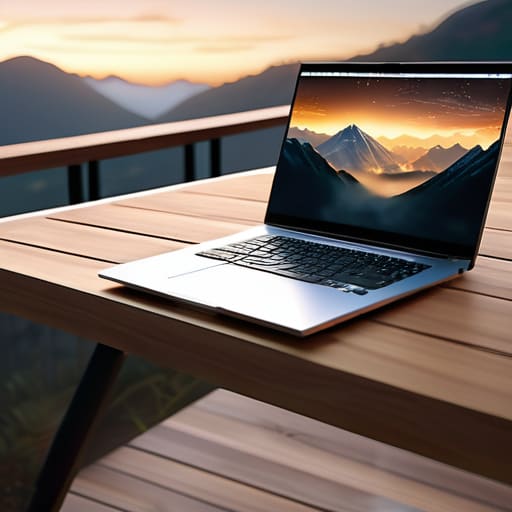
At the end of the day, moving toward cloud-integrated hardware isn’t just about chasing a trend; it’s about reclaiming your time and your mobility. We’ve covered how real-time data sync keeps your workflow fluid and how HaaS models strip away the burden of heavy capital expenditures. When your tools are no longer tethered to a physical desk or a single, static machine, you stop managing your gear and start actually doing the work. It’s about building a stack that is invisible, reliable, and ready to move the second you decide to change your view.
Don’t let your setup be the thing that keeps you stuck in one place. The goal shouldn’t be to own the most expensive hardware on the market, but to own a system that is completely agnostic to your location. Whether I’m working from a quiet corner in a mountain town or a bustling cafe in a city I’ve never visited, my setup feels identical because the intelligence lives in the cloud, not in a heavy tower under a desk. Stop building cages for yourself with outdated, localized tech. Build a workspace that is as limitless as your ambition.
Frequently Asked Questions
How do I handle massive file transfers or heavy workloads when I'm stuck on a spotty cafe Wi-Fi connection?
Honestly, trying to push a 10GB file over cafe Wi-Fi is a recipe for a headache. I don’t even try anymore. Instead, I offload the heavy lifting to a cloud-based virtual machine or a remote desktop setup. I do the “heavy” work on a beefy server in a data center, then just stream the interface to my laptop. It’s basically just video streaming—low bandwidth, zero lag on the actual processing. Work smart, not hard.
Is it actually cost-effective to go all-in on HaaS, or am I just trading ownership for a never-ending subscription?
Look, I get the hesitation. It feels like you’re just feeding the subscription beast. But if you’re like me—constantly shifting locations and needing gear that actually works—the math changes. You aren’t just paying for hardware; you’re paying to offload the headache of depreciation and lifecycle management. Instead of sinking a massive chunk of capital into a laptop that’s obsolete in three years, you’re paying for uptime and seamless upgrades. It’s about liquidity and agility, not just “renting.”
What’s the best way to secure my hardware setup so a cloud-integrated workflow doesn't become a massive security hole?
Look, moving everything to the cloud is a massive productivity win, but it definitely opens new doors for trouble if you’re careless. Don’t just rely on a single password. Use hardware security keys—like a YubiKey—for everything. It’s a small, tactile addition to your setup that makes a huge difference. Also, keep your local hardware lean; if you aren’t storing sensitive data physically on your drive, there’s less to lose if your gear gets swiped.