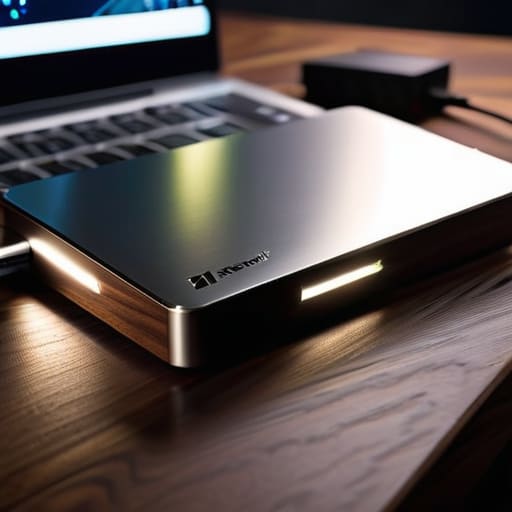
I was sitting in a cramped cafe in Lisbon last month, trying to pull a massive client build from a clunky, outdated external hard drive, when the connection dropped for the third time. The drive was a heavy, plastic brick that felt like it belonged in a 2010 office cubicle, not in my tech-wear setup. People keep telling you that you need massive, multi-terabyte towers to stay “safe,” but honestly? Most of that is just marketing noise designed to sell you hardware you’ll never actually need to carry. If your storage solution is too heavy or too slow to keep up with your actual movement, it’s not a tool—it’s an anchor.
I’m not here to give you a spec sheet or a list of every overpriced gadget on Amazon. Instead, I’m going to break down what actually matters when you’re building a portable, cloud-integrated workflow. I’ll show you how to pick a drive that’s fast enough to disappear into your routine and rugged enough to survive a backpack full of gear. No fluff, no corporate jargon—just the practical setups that actually work when you’re living out of a laptop.
Table of Contents
Portable Ssd vs Hdd Choosing Speed Over Friction
Portable SSD vs HDD: Choosing Speed Over Friction
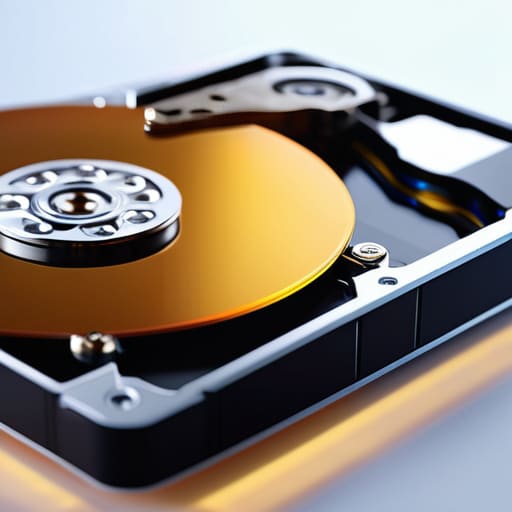
If you’re moving between cafes or working from a train, the last thing you want is a drive that feels like a brick in your bag. When weighing portable SSD vs HDD options, it really comes down to how much you value your time versus your budget. HDDs are great if you need massive amounts of space for a low price, but those spinning platters are fragile. One wrong move with a heavy laptop in your bag and you’re looking at potential data loss.
I almost always lean toward an SSD for my daily driver. The read/write speeds explained in most spec sheets aren’t just marketing fluff; they are the difference between a seamless workflow and staring at a progress bar for twenty minutes. Since I rely on USB-C connectivity options to keep my setup minimal, a slim SSD integrates perfectly into my tech-wear aesthetic without adding bulk. If you can afford the slight premium, go with the SSD. It removes the friction between you and your files, which is exactly what a mobile setup should do.
The Terabyte Capacity Guide for the Minimalist
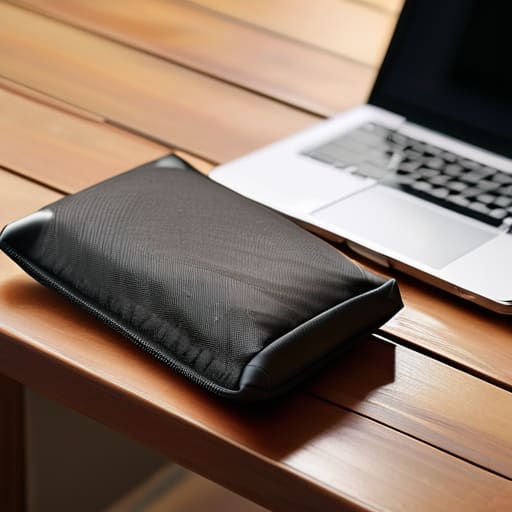
When you’re living out of a backpack, every gram counts, but so does your data headroom. I used to make the mistake of buying massive, cheap drives thinking more was always better, only to realize I was carrying around dead weight. My personal terabyte capacity guide is pretty simple: if you’re just syncing documents and lightweight code, 1TB is your sweet spot. It’s enough to keep your local environment snappy without turning your tech pouch into a brick.
However, if your workflow involves heavy assets—think 4K video b-roll or massive database backups—you’ll need to jump to 2TB or 4TB. This is where the debate of cloud storage vs physical drives gets real. While the cloud is great for redundancy, relying on it exclusively when you’re sitting in a cafe with spotty Wi-Fi is a recipe for a headache. Having that local buffer ensures you aren’t tethered to a signal just to open a file. Just make sure you check your USB-C connectivity options before buying; there’s nothing worse than a high-capacity drive that requires a dongle you forgot to pack.
Five Ways to Keep Your Data from Becoming a Liability
- Don’t trust a single drive with your life. I’ve learned the hard way that hardware fails, especially when you’re bouncing between cafes. Use your external drive for extra space, but always keep your critical files synced to a cloud provider. One is for capacity; the other is for survival.
- Check your connection before you buy. There’s no point in owning a lightning-fast NVMe SSD if you’re still plugging it into an ancient USB-A port on a budget laptop. Make sure the drive and your gear both support USB-C or Thunderbolt to actually get the speeds you’re paying for.
- Cable management isn’t just for my desk; it’s for your bag too. If you’re carrying a drive, get a short, high-quality braided cable. Long, flimsy wires are just extra clutter that eventually fray and leave you stranded without your data in the middle of a project.
- Encryption is non-negotiable. Since I move around a lot, my drives are constantly in public spaces. If you aren’t using BitLocker or FileVault to encrypt your drive, you’re basically leaving your digital life sitting on a cafe table for anyone to find.
- Physical protection matters more than you think. I don’t care how “rugged” a drive claims to be; if you toss it into a backpack full of loose tech without a dedicated sleeve, you’re asking for mechanical failure. A little bit of padding goes a long way in preventing a total data wipeout.
The Bottom Line for Your Mobile Setup
Prioritize an SSD if you’re constantly moving between cafes or Airbnbs; the speed and durability are worth the extra few bucks to avoid the headache of a spinning drive failing in your bag.
Don’t overbuy storage just because it’s on sale. Map out your actual cloud and local needs so you aren’t lugging around a massive, half-empty drive that adds unnecessary weight to your tech kit.
Treat your external drive as a bridge, not a destination. Use it to move heavy assets quickly, but keep your core workflow synced to the cloud so you’re never tethered to a single piece of hardware.
The Portability Paradox
“If your data is tethered to a desk by a bulky, spinning drive, you aren’t truly mobile—you’re just working from a different chair. Real freedom is having your entire digital life tucked into a pocket, ready to sync the second you find a decent signal.”
Elias Vandermeer
Final Thoughts on Your Mobile Setup

At the end of the day, picking an external drive isn’t about chasing the highest spec sheet; it’s about finding the right balance for your specific workflow. If you’re jumping between cafes and co-working spaces, prioritize that SSD speed to keep your friction low and your momentum high. If you’re just archiving massive, static backups that you won’t touch for months, a high-capacity HDD is still a smart, cost-effective move. Just remember to audit your needs—don’t carry around extra weight or unnecessary capacity that’s just going to sit idle in your tech pouch. The goal is to have exactly what you need and nothing that slows you down.
My philosophy has always been that your gear should serve your freedom, not dictate it. A heavy, clunky setup is just a digital anchor that keeps you tethered to one spot, and that’s the last thing a nomad needs. Invest in tools that are seamless and portable so that when inspiration hits or a client needs a file, you aren’t stuck troubleshooting your hardware. Build a kit that lets you disappear into your work, whether you’re in a high-rise in Tokyo or a quiet corner of a coastal town. Stay mobile, stay focused, and keep your workflow unchained.
Frequently Asked Questions
How do I make sure my drive doesn't become a single point of failure for my cloud backups?
Don’t treat your drive like a digital vault; treat it like a bridge. If that drive is the only place your files live, you’re one coffee spill away from a disaster. I follow a strict 3-2-1 rule: three copies of your data, on two different media types, with one off-site. Use the drive for local speed, but automate a sync to a cloud provider. If the hardware dies, your work stays alive.
Is it worth paying the premium for a ruggedized drive if I'm mostly working from cafes and co-working spaces?
Honestly, if you’re strictly sticking to clean co-working desks and cafe tables, you can probably skip the heavy-duty ruggedized models. They’re great, but they add unnecessary bulk to your tech kit. However, if your “mobile office” involves throwing gear into a backpack and commuting via public transit or walking through crowded streets, that extra layer of protection is worth every cent. I’d rather pay the premium for peace of mind than risk a drop.
What's the best way to manage file organization so I'm not hunting through folders while on a spotty Wi-Fi connection?
When the Wi-Fi starts acting up, a messy folder structure is your worst enemy. I live by a strict “flat hierarchy” rule: keep your top-level folders minimal—maybe just Active Projects, Archive, and Assets—and use a consistent naming convention like `YYYY-MM-DD_ProjectName_v01`. It sounds basic, but when you’re hunting for a specific config file on a laggy connection, being able to find it via a quick local search instead of clicking through ten subdirectories is a lifesaver.