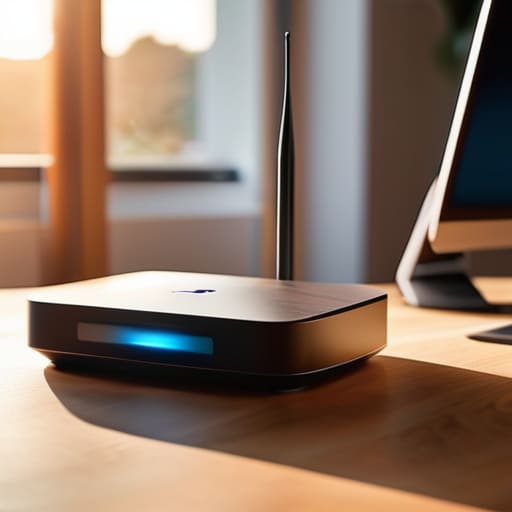
I was sitting in a cramped Airbnb in Lisbon last month, trying to push a critical cloud deployment through, when my connection just… died. Not a slow crawl, but a total blackout. I looked at the plastic monstrosity the host had left behind—a generic, blinking wifi router that looked like it belonged in 2012—and realized that most “pro” networking advice is absolute garbage. People tell you to spend a fortune on flashy RGB gaming routers or massive mesh systems that take up half your desk, but they completely ignore the reality of unreliable infrastructure. If your hardware is constantly fighting your environment instead of working through it, it’s not an asset; it’s a bottleneck.
I’m not here to sell you on the latest overpriced gadget or drown you in technical jargon that doesn’t matter. My goal is to help you find the gear that actually vanishes into your workflow. I’m going to break down what you actually need to maintain a stable, high-level connection, whether you’re building a permanent home office or just trying to survive on mediocre cafe Wi-Fi. We’re focusing on seamless connectivity and hardware that respects your need to stay in the flow.
Table of Contents
Unlocking Flow State With Wifi 6 Technology Benefits
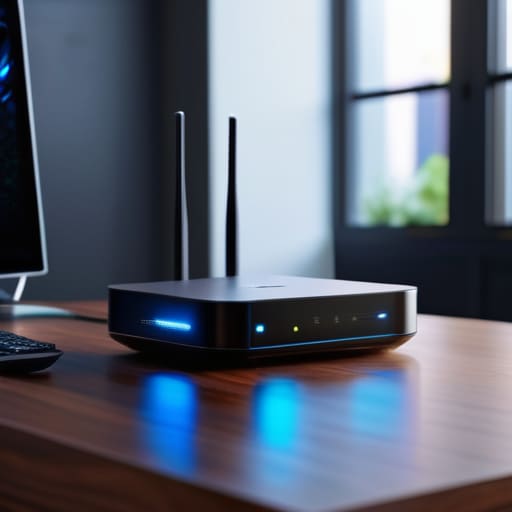
If you’ve ever been deep in a complex deployment and your connection suddenly stutters, you know that feeling of instant frustration. It’s a flow-killer. This is where understanding wifi 6 technology benefits actually matters for your sanity. It isn’t just about raw speed; it’s about how the hardware handles a dozen different devices simultaneously without breaking a sweat. When I’m running a cloud-based environment while my phone, tablet, and smart lights are all fighting for bandwidth, I need a standard that prioritizes efficiency over chaos.
The real magic happens in how it manages congestion. Older standards tend to struggle when everything is pinging the network at once, but the way this tech handles data packets means you’re much less likely to deal with that annoying lag during a video call. I’ve found that moving toward a setup that supports reducing wireless interference is the secret to a stable, invisible infrastructure. You want a connection that stays out of your way, letting you focus on the code or the configuration rather than troubleshooting why your signal just dropped.
Eliminating Friction Through Seamless Mesh Network Systems
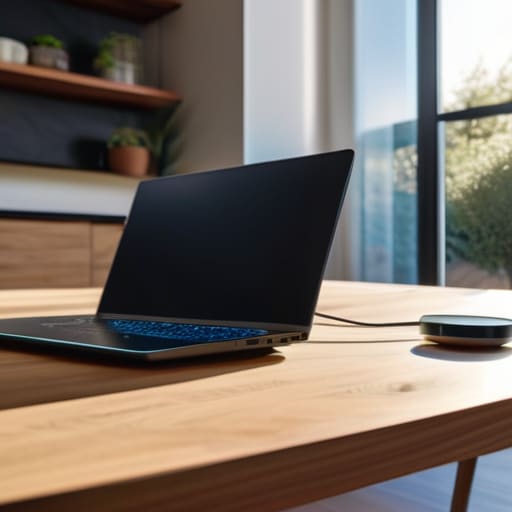
There’s nothing that kills my momentum faster than a “dead zone” in my workspace. I’ve spent too many afternoons sitting in a specific corner of a rental apartment just because that’s the only spot where my connection doesn’t drop during a deployment. This is where mesh network systems actually earn their keep. Instead of fighting with a single, overworked access point, a mesh setup distributes the load, creating a unified blanket of connectivity that follows you from your desk to the kitchen.
The goal is to make the hardware invisible. When you’re managing cloud instances or pushing code, you shouldn’t be thinking about signal strength. By using multiple nodes, you’re effectively reducing wireless interference and ensuring that your handoff between points is seamless. I don’t care about peak theoretical speeds as much as I care about stability; I need a system that stays out of my way so I can stay in the zone. If I have to restart my connection halfway through a deep-work session, the tech has already failed me.
Low-Latency Essentials: My Rules for a Setup That Doesn't Fail Me
- Stop relying on the default ISP hardware. Those generic routers they give you are built to be cheap, not to handle a dozen cloud-synced devices. Invest in something with decent processing power so your connection doesn’t choke the second you start a heavy upload.
- Prioritize wired backhaul if you’re running a mesh system. If you can run a single Ethernet cable between your nodes, do it. It keeps the wireless bandwidth free for your actual devices instead of wasting it on the nodes just trying to talk to each other.
- Keep your router central and elevated. I’ve learned the hard way that tucking a router inside a wooden cabinet or under a desk is a recipe for dead zones. Get it out in the open, preferably high up, so the signal actually has a clear path to your gear.
- Set up a dedicated IoT guest network. If you have smart bulbs or random gadgets cluttering your bandwidth, isolate them. You want your primary band reserved exclusively for your workstation and high-priority cloud tools, not your smart toaster.
- Check your frequency congestion before you buy. If you’re working from a dense apartment complex, the 2.4GHz band is probably a graveyard of interference. Look for routers that handle DFS channels well so you can find a slice of the spectrum that isn’t already trashed by your neighbors.
The Bottom Line for Your Mobile Setup
Stop treating your router like a static piece of furniture; if it isn’t supporting a seamless, high-bandwidth connection across your entire space, it’s just more cable clutter holding you back.
Prioritize WiFi 6 and mesh systems to build an invisible layer of infrastructure that lets you move from your desk to a cafe without breaking your flow state.
Invest in hardware that prioritizes stability over flashy features, because the best tech is the kind you completely forget is even running.
The Invisible Backbone
A router shouldn’t be a piece of tech you have to manage; it should be the invisible infrastructure that stays out of your way so you can actually stay in the zone.
Elias Vandermeer
The Invisible Foundation
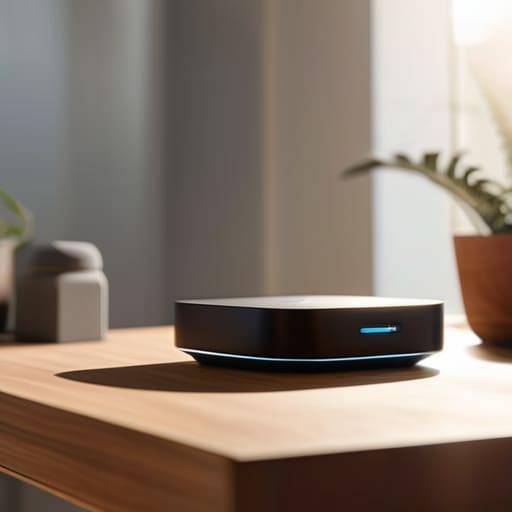
At the end of the day, your router shouldn’t be something you think about. Whether you’re leaning into the low-latency perks of WiFi 6 to keep your cloud syncs instant, or deploying a mesh system to kill those annoying dead zones in a rental apartment, the goal is the same: zero friction. We’ve talked about how the right hardware eliminates the micro-stutters that break your concentration and how a seamless network allows you to move from your desk to a coffee shop without losing your connection. If you’ve invested in the right tech, your internet should essentially become invisible infrastructure that just supports your workflow without demanding your attention.
Don’t fall into the trap of thinking a high-end setup is about showing off gear or chasing every single spec on a box. It’s about freedom. I’ve learned through a lot of trial and error—and a fair amount of frustration in poorly connected Airbnbs—that a reliable connection is the difference between being a professional and being a person who’s constantly fighting their tools. Build a setup that respects your time and your need to move. When your connection is stable and your tools are seamless, you stop worrying about the signal and start actually doing the work.
Frequently Asked Questions
Is it actually worth upgrading to a high-end mesh system if I'm mostly working from a single small apartment or a van?
Honestly? No. If you’re in a single-room apartment or a van, a high-end mesh system is just expensive clutter. Mesh is designed to solve signal drop-off between distant rooms, which isn’t your problem. You’re better off investing that money into a single, high-quality WiFi 6 router with solid antennas. Keep your setup lean and portable. In a small footprint, you don’t need a network; you just need a rock-solid connection that doesn’t vanish.
How much of my connection lag is actually the router versus just crappy local ISP infrastructure?
It’s usually a mix, but here’s how I troubleshoot it: if your ping spikes only when you’re pushing heavy traffic or moving between rooms, it’s your router. If you’re getting packet loss even when you’re sitting right next to the hardware, that’s likely your ISP’s infrastructure or a bad line coming into the house. I always run a hardwired test first; if the lag persists on Ethernet, stop blaming your gear and start calling your provider.
Can I manage my entire network remotely through a cloud dashboard, or am I going to have to hunt for a physical reset button every time something glitches?
If you’re still hunting for a physical reset button, you’re doing it wrong. That’s the kind of friction that kills a flow state. I only use gear that supports cloud-based management. I need to be able to reboot a node or tweak my security settings from a dashboard on my phone while I’m sitting in a cafe halfway across the country. If I can’t fix it remotely, it’s not part of my stack.