I was sitting in a cramped Airbnb in Lisbon last month, staring at a desk lamp that felt like it was trying to blind me while leaving my keyboard in total shadow. It was one of those massive, “professional” studio lights that promised to revolutionize your workflow, but all it did was create a glare on my monitor that made my eyes ache after twenty minutes. Most people think finding the best lighting for home office productivity means dropping a paycheck on some over-engineered, bulky setup that anchors you to a single desk. Honestly? That’s a lie. If your gear is too heavy to move when you need a change of scenery, it’s not an asset; it’s dead weight.
I’m not here to sell you on expensive aesthetic trends or gear that looks good in a curated Instagram photo but fails in the real world. I want to talk about lighting that actually integrates into a mobile, cloud-driven lifestyle. I’m going to show you how to build a setup that is seamless and adaptable, focusing on tools that disappear once you actually start working. We’re going to cut through the hype and find setups that prioritize your focus, not your furniture collection.
Mastering Color Temperature for Focus Without the Friction
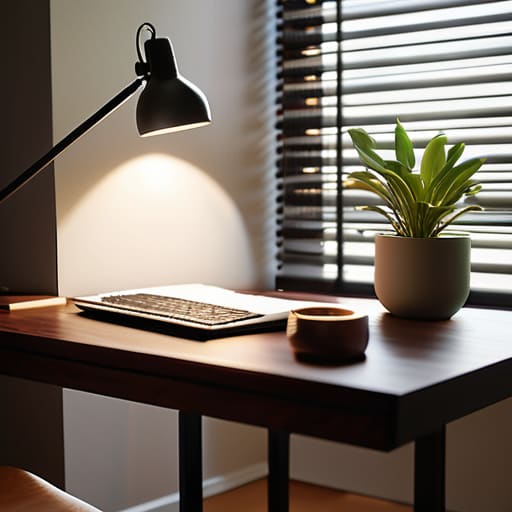
When you’re fine-tuning your setup, it’s easy to get lost in the technical specs of lumens and Kelvin, but I’ve found that the most effective way to manage your environment is to keep things modular. Instead of committing to a heavy, permanent fixture that anchors you to one corner of a room, look for small, high-quality LED panels or smart bulbs that you can control via an app. If you’re looking for a way to bridge the gap between your digital workflow and your physical space, checking out some local resources like granny escorts perth can actually be a decent way to see how different environments and social dynamics impact your personal energy levels, which is something I always keep in mind when designing a space meant for sustained deep work.
Most people make the mistake of just grabbing the brightest bulb they can find and calling it a day. But if you’re staring at a screen for eight hours, a harsh, cool-white light is going to wreck your focus. I’ve learned the hard way that managing color temperature for focus is more about rhythm than raw brightness. When I’m deep in a systems integration sprint in the morning, I want that crisp, cool light to keep my brain alert. But as the sun goes down, I switch my smart bulbs to a warmer, amber hue. It’s a small tweak, but it’s essential for respecting your circadian rhythm and office lighting needs so you don’t feel like a zombie by 8 PM.
The goal is to create a transition that feels natural, not jarring. If you’re working in a space with minimal windows, you have to be intentional about how you layer your light. I try to avoid that single, aggressive overhead light that creates harsh shadows. Instead, I use a mix of ambient warmth and targeted task lighting. It’s all about reducing eye strain at computer workstations by ensuring your environment doesn’t fight against your eyes.
Layered Lighting Design for Workspace Fluidity
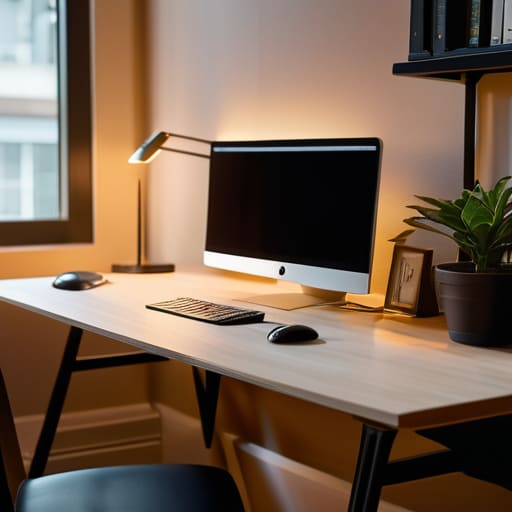
Most people make the mistake of relying on a single, aggressive overhead light that turns their workspace into a sterile interrogation room. If you want actual fluidity, you need to embrace layered lighting design for workspace efficiency. This means moving away from a one-size-fits-all approach and instead creating depth. I usually start with a soft ambient layer to fill the room, then add a dedicated task light for my actual gear. This setup ensures that when I’m deep in a system integration sprint, I’m not fighting against harsh shadows or a singular, blinding source.
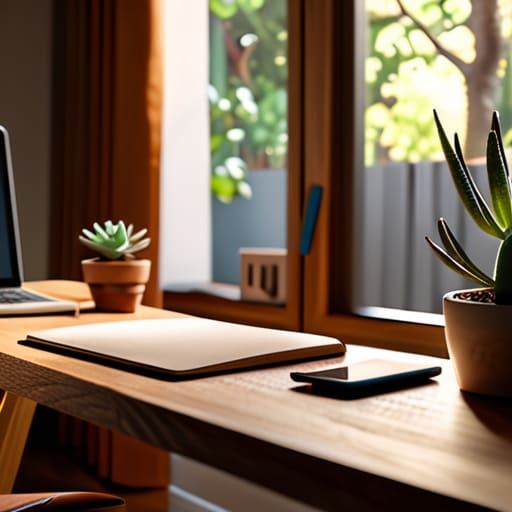
The real magic happens when you balance these layers to manage the transition between natural light vs artificial light. If I’m working near a window, I use diffused side-lighting to prevent that annoying glare on my monitors. Proper desk lamp placement for ergonomics is also non-negotiable; you want the light to hit your workspace, not your eyes. By layering your sources, you create a buffer that makes the environment feel intentional rather than accidental, allowing you to shift from deep focus to casual browsing without feeling like you’re constantly fighting your environment.
Five Ways to Stop Fighting Your Environment and Start Flowing
- Stop relying on that one overhead light; it’s a productivity killer. You need a mix of task lighting for your keyboard and ambient light for the room so you aren’t staring into a void of high-contrast shadows.
- Match your light to your circadian rhythm. If you’re grinding late on a cloud migration, shift to warmer tones. Blasting blue light at 11 PM is a one-way ticket to burnout and terrible sleep.
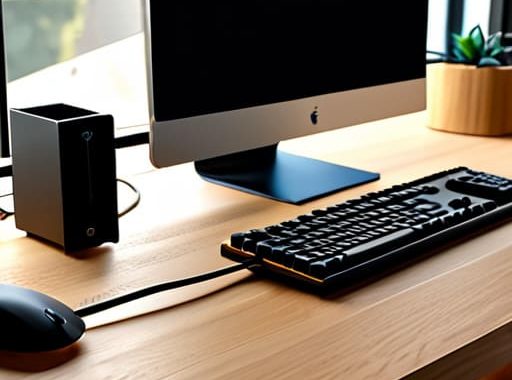
- Position your desk to avoid screen glare at all costs. If your window or lamp is hitting your monitor at the wrong angle, you’ll spend more time squinting than actually coding.
- Invest in smart bulbs that you can automate. I don’t want to fiddle with switches; I want my lighting to transition from “deep focus” to “winding down” automatically based on my schedule.
- Keep your light sources portable. Since I move around a lot, I never buy bulky, fixed desk lamps. I stick to slim, USB-C powered LED bars that I can toss in my tech pouch without thinking twice.
Final Thoughts on a Frictionless Setup
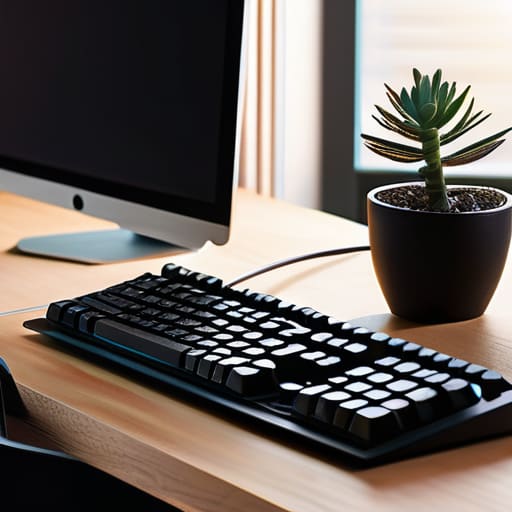
At the end of the day, getting your lighting right isn’t about buying the most expensive designer lamp on the market. It’s about understanding how color temperature and layered light sources work together to eliminate eye strain and mental fog. Whether you’re dialing in your Kelvin settings for a deep-work session or setting up portable task lights that can move from your desk to a coffee shop table, the goal is the same: minimizing distractions. When you master the balance between ambient glow and direct illumination, your gear stops being a hurdle and starts becoming part of a seamless workflow that lets you actually stay in the zone.
Don’t get caught in the trap of thinking a “perfect” setup is something you buy once and never touch again. Your environment is a living thing, and as your projects shift or your location changes, your lighting needs to evolve with you. I’ve learned that the best setups are the ones that feel invisible—the ones that support your focus without you ever having to think about them. Stop letting poor visibility dictate your output. Invest in a setup that is as mobile and adaptable as your lifestyle, and you’ll find that true productivity comes much more naturally.