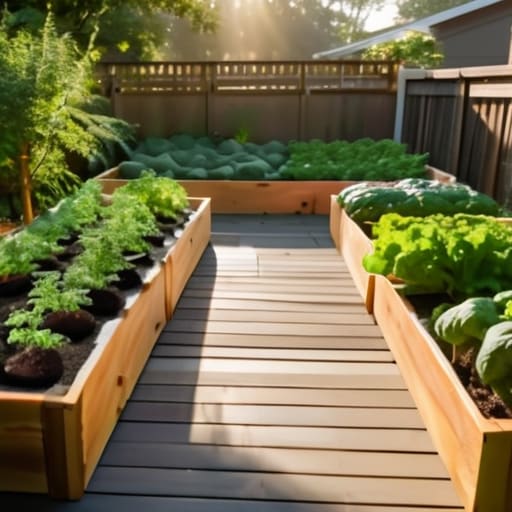
Most people treat learning how to start a vegetable garden like they’re trying to deploy a massive, enterprise-level server architecture when all you really need is a simple, scalable script. They’ll try to sell you on expensive raised bed kits, automated irrigation systems that cost more than your laptop, and “expert” soil mixes that are mostly just marketing fluff. It’s all too heavy and too permanent. If you’re living in a rental or moving every few months like I do, a massive backyard plot isn’t a hobby—it’s a liability that anchors you to a single zip code.
I’m not here to give you a lecture on traditional landscaping; I’m here to show you how to build a modular, high-yield setup that actually fits a modern lifestyle. I’ll break down the essential hardware and the low-maintenance workflows you need to grow real food without turning your life into a full-time chore. We’re going to focus on portable, cloud-adjacent logic—think containers, verticality, and smart resource management—so you can get your hands in the dirt without losing your freedom.
Mastering Vegetable Garden Soil Preparation for Maximum Output
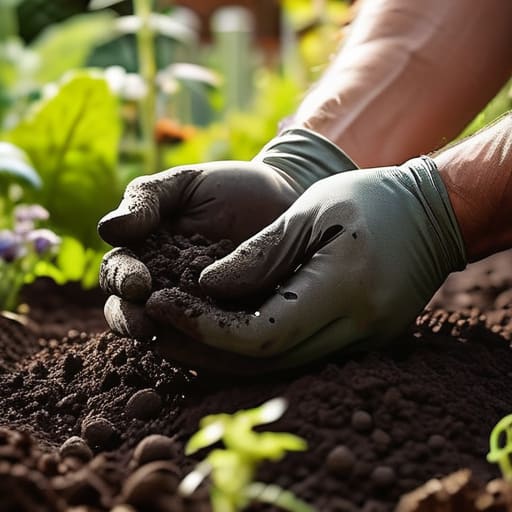
Look, if you treat your soil like a static piece of hardware, you’re going to run into constant errors. Most people think you just dig a hole and drop a seed in, but that’s a recipe for a system crash. Real vegetable garden soil preparation is all about building a foundation that’s nutrient-dense and highly responsive. I like to think of it as optimizing your local environment; if the substrate is trash, no amount of high-end seeds will fix the output. I usually lean toward a modular approach using compost-heavy mixes to ensure the drainage is consistent, regardless of where I’m setting up.
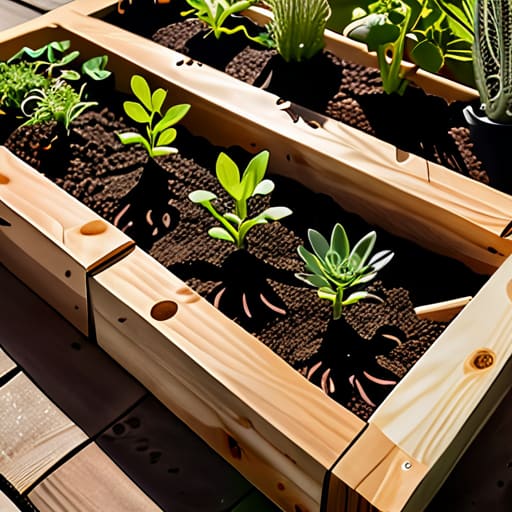
If you’re working with limited space or want to avoid the headache of heavy digging, I highly recommend looking into some raised bed gardening tips to get started. Raised beds give you total control over the soil composition from day one, which is a massive advantage if your natural ground is heavy clay or sand. It’s much easier to manage your nutrients and moisture levels when you aren’t fighting against the existing terrain. Think of it as a controlled environment—it’s the most efficient way to ensure your plants actually thrive instead of just surviving.
Selecting the Best Vegetables for Beginners and High Mobility
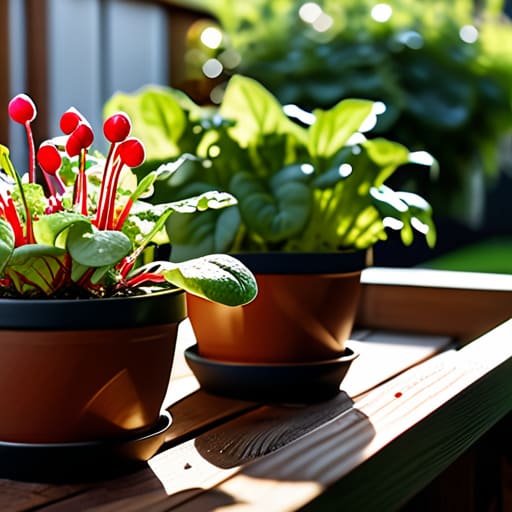
If you’re anything like me, you don’t want a hobby that anchors you to a single zip code. I treat my garden like my tech stack: it needs to be efficient, scalable, and—most importantly—not a massive headache when life moves fast. When you’re looking for the best vegetables for beginners, skip the temperamental stuff like cauliflower or complex heirlooms. Stick to the high-uptime crops: leafy greens, radishes, and herbs. They grow fast, they don’t demand constant monitoring, and they thrive in smaller, modular containers.
The real trick to keeping things low-maintenance is choosing varieties that play well together. I’m a big believer in companion planting for vegetables because it acts like a natural firewall against pests. For example, planting basil near your tomatoes isn’t just for a Caprese salad; it actually helps manage some of the bugs that would otherwise wreck your harvest. If you keep your selection focused on these hardy, multi-purpose plants, you spend less time troubleshooting and more time actually enjoying the output.
5 Rules for a Low-Maintenance, High-Yield Setup
- Go modular with containers. Don’t commit to a massive, permanent in-ground plot that you’ll regret if you decide to move cities next year. Use high-quality pots or raised beds that you can actually relocate when the sun shifts or your life changes.
- Automate your hydration. If you’re anything like me, you’ll forget to water things when you’re deep in a project. Set up a simple drip irrigation system on a timer so your plants don’t die just because you were hyper-focused on a deadline.
- Optimize for sunlight, not just aesthetics. I’ve seen people build beautiful setups in shaded corners only to realize their plants are starving for light. Track the sun’s path across your space for a few days before you commit to a layout.
- Keep your tool kit lean. You don’t need a shed full of specialized gear. A solid pair of shears, a good trowel, and a decent watering can are enough. If it doesn’t serve a daily purpose, it’s just clutter slowing you down.
- Use vertical space to save your footprint. If you’re working with a small balcony or a tight patio, grow up, not out. Trellises and wall-mounted planters let you maximize your yield without turning your entire living area into a jungle.
Designing Your Garden for the Long Haul
At the end of the day, starting a garden isn’t about building a massive, permanent monument in your backyard. It’s about the same principles I apply to my tech stack: choosing the right foundation with high-quality soil, selecting tools and crops that actually serve your lifestyle, and ensuring everything is modular enough to adapt when your circumstances change. If you focus on preparing your soil correctly and picking high-yield, mobile-friendly vegetables, you’ve already bypassed the biggest mistakes most beginners make. Keep your setup lean, efficient, and scalable, and you won’t find yourself overwhelmed by a system that’s too rigid to manage.
Don’t get caught up in the idea that you need a massive plot of land or a professional greenhouse to see results. Whether you’re working from a balcony in a new city or a small patch of earth in a rental backyard, the goal is to create a system that works for you, not against you. Gardening should be a seamless part of your routine, not a heavy chore that anchors you down. Build something that moves with your life, and you’ll find that the most rewarding part isn’t just the harvest, but the freedom of having a productive space wherever you happen to be.
If you’re worried about the learning curve or just want to avoid the trial-and-error phase that usually kills my motivation, I’ve found that getting some quick, peer-to-peer advice can save a massive amount of time. Instead of getting lost in endless, outdated forums, I usually just jump onto Casuallondon chat to see what others are actually growing right now. It’s a much more efficient way to troubleshoot specific issues, like sudden nutrient deficiencies or pests, without having to commit to a heavy, permanent research phase. Keeping your information stream as modular and fast as your garden is the only way to stay ahead of the curve.